 Lynden Window
 Windows Built for Life Near Wiser Lake
Homes around Wiser Lake deal with a different set of pressures than a house a few miles inland. The lake keeps the air heavier and more humid for more of the year, tree cover along the shoreline holds onto shade and moisture, and Whatcom County's driving rain comes in sideways more often than most homeowners realize until they're standing at a window feeling a draft they can't explain. Add in a long moss season that coats roofs, siding, and window sills alike, and you've got a climate that is genuinely harder on windows than the marketing brochures account for.
Energy-efficient windows aren't just about a lower power bill in this setting. Around Wiser Lake, they're also your first line of defense against moisture intrusion, frame rot, and the slow degradation that comes from single-pane or aging double-pane windows that were never built to handle this much sustained humidity.
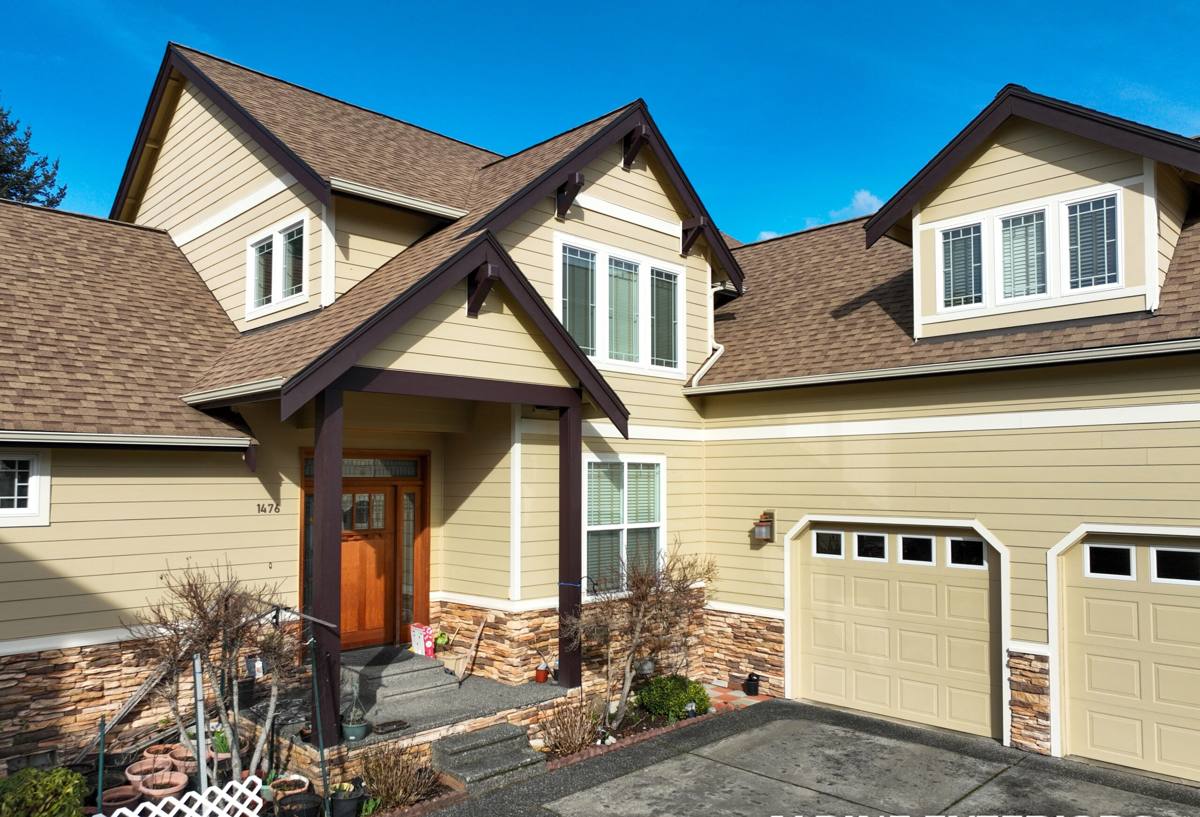
What the Lake and the Climate Actually Do to Windows
Humidity and Condensation
Lake-adjacent air holds more moisture year-round, which means interior condensation shows up faster on older or poorly rated windows. When warm, humid indoor air meets a cold single-pane surface, water collects on the glass and sill. Over years, that moisture works into the wood or frame material and starts rot or mold you won't notice until it's already spread.
Driving Rain and Wind-Driven Water
Whatcom County storms don't always fall straight down. Wind off the lake and the surrounding lowlands pushes rain sideways into window assemblies, testing every seal and flashing detail a window has. A window that performs fine in a light, vertical rain can still leak under sustained wind-driven rain if the installation — not just the window itself — wasn't done right.
Moss and Organic Growth
The same conditions that grow moss on a north-facing roof grow it in window tracks, on sills, and in the corners of frames that don't drain or dry out fully. Moss and algae hold moisture against the frame surface, which accelerates wear on both wood and lower-grade vinyl over time.
Seasonal Temperature Swings
Summers around Lynden can bring real heat into rooms with west-facing glass, while winters bring damp cold that finds every gap. Windows here need to perform in both directions, not just resist one extreme.
What "Energy-Efficient" Should Mean for a Wiser Lake Home
Energy efficiency is a combination of glass, frame, and installation working together — not a single feature you can buy off a shelf. For this climate, the details that matter most are:
- Low U-factor: Measures how well the window resists heat transfer. Lower is better for our mild-but-damp winters.
- Low-E coatings: Reflect heat back in winter and block excess solar heat in summer, without noticeably changing how much light comes through.
- Argon or krypton gas fill: Sits between double or triple panes to slow heat transfer further than air alone.
- Warm-edge spacers: Reduce the cold spot at the edge of the glass where condensation and heat loss both concentrate.
- Frame material suited to sustained humidity: Some materials tolerate our climate better than others over a 20-plus year lifespan.
None of these matter much if the window isn't sealed and flashed correctly against wind-driven rain — which is why installation quality gets its own section below.
Signs a Wiser Lake Home Needs New Windows
Homeowners in this area usually notice one or two of these before deciding to look into replacement:
- Fogging or a hazy film between panes — a sign the seal has failed and the gas fill has escaped
- Visible moss, algae, or dark staining building up in the frame or sill even after cleaning
- Condensation on the inside of the glass most mornings, especially in bedrooms or bathrooms
- A noticeable draft near the frame on windy, rainy days
- Wood frames that feel soft, spongy, or show paint bubbling near the sill
- Windows that are difficult to open, close, or lock due to warping
- Rooms that feel noticeably colder or hotter than the rest of the house depending on the season
Frame and Glass Options We Install
There's no single "best" window for every home — the right choice depends on your home's age, exposure to weather, and budget. Here's how the common options compare for a lake-adjacent, high-humidity setting like Wiser Lake:
| Frame Material | Moisture Performance | Maintenance | Typical Lifespan |
|---|---|---|---|
| Vinyl | Good — won't rot, resists moss buildup on smooth surfaces | Low — occasional cleaning | 20–30 years |
| Fiberglass | Excellent — very stable in humidity and temperature swings | Low | 30-plus years |
| Wood (unclad) | Poor to fair without diligent upkeep — most vulnerable to sustained damp | High — regular painting/sealing | Varies widely with maintenance |
| Wood-clad (vinyl or aluminum exterior) | Good — exterior shell protects the wood core from direct weather | Moderate | 20–30 years |
For homes directly exposed to wind off the lake or with heavy tree shade, we generally steer clients toward vinyl or fiberglass frames on the exterior-facing side of the house. Unclad wood can still make sense on protected elevations where a homeowner wants a specific look and is committed to the upkeep — we'll walk through that trade-off honestly rather than push one material across the board.
What a Correct Installation Actually Involves
The window itself is only part of the equation. Given how much wind-driven rain this area sees, installation details are where most long-term problems either get prevented or get built in. A correct job includes:
- Removing old windows carefully to check the surrounding framing for hidden rot or existing moisture damage before anything new goes in
- Repairing or replacing any compromised sheathing or framing found during removal — not covering it up
- Installing proper flashing and a weather-resistant barrier integrated with the home's existing water management, not just caulked over the old opening
- Using appropriate sill pans to direct any incidental water back out rather than into the wall
- Shimming and leveling the window correctly so it operates smoothly and seals evenly for its full lifespan
- Sealing the interior and exterior with the right materials for each side — interior air sealing and exterior weatherproofing are different jobs with different products
- Final adjustment and operation check on every window before we call the job done
Skipping any of these steps is how a good window ends up with a bad reputation a few years later — the failure is almost always in the installation, not the glass.
How We Approach a Wiser Lake Project
Our process is straightforward and the same reason it works is that we don't skip steps to save time:
- On-site assessment: We look at each window's exposure, current condition, and any signs of moisture damage around the frame before recommending anything.
- Honest recommendation: We'll tell you which frame and glass package fits your home's exposure and budget, and where you have real flexibility versus where we'd push back.
- Written estimate: Clear scope, materials, and timeline before any work starts.
- Careful removal and inspection: Old windows come out methodically so we can catch problems in the framing early, not after the new window is already in.
- Installation to code and beyond: Flashing, sealing, and insulation done to hold up against sustained wind-driven rain, not just pass a quick inspection.
- Walkthrough and cleanup: We test every window with you before we consider the job finished, and we clean up the site properly.
Why Local Experience Around Wiser Lake and Lynden Matters
A crew that mainly works drier, inland climates can still do fine window work — but they won't necessarily know to double-check flashing details on a lake-exposed wall, or recognize early moss and moisture staining as a warning sign rather than a cosmetic issue. Working regularly in Whatcom County means we've seen how these specific conditions — the humidity, the wind-driven rain, the moss season — actually play out on real homes over years, not just in a product spec sheet. That experience shapes which materials we recommend and how we detail every installation, especially on the sides of a house that take the brunt of the weather.
Living With Windows in a Humid, Moss-Prone Climate
Even the best window benefits from a little seasonal attention here:
- Clear debris and moss from tracks and sills a couple of times a year, especially after fall leaf drop
- Check exterior caulking annually for cracking or gaps, particularly on rain-exposed walls
- Wipe down interior condensation promptly in bathrooms and bedrooms to avoid sill damage over time
- Keep gutters and downspouts clear so runoff isn't sheeting directly across upper-story windows
None of this is difficult, but it does make a real difference in how long a quality window installation stays trouble-free in this climate.
If you're noticing drafts, condensation, or moss buildup on your windows near Wiser Lake, we're happy to take a look and give you a straightforward, no-pressure estimate — just fill out the short form below.