 Lynden Window
 Windows Built for a Different Kind of Weather
Birch Bay sits right on the water, and that changes what a window has to deal with day to day. A few miles inland in Lynden, a window mostly has to handle rain and cold. Out at the bay, you're adding salt-laden air, near-constant wind off the Strait of Georgia, and moisture that never really lets up for months at a time. That combination is hard on seals, hard on frames, and hard on hardware — and it shows up faster than most homeowners expect.
We've worked on homes throughout Whatcom County, but coastal properties like the ones in Birch Bay tend to show a specific pattern of wear: pitted or corroded hardware, cloudy double-pane glass from failed seals, and wood or vinyl frames that have started to degrade well before their expected lifespan. None of that means something was done wrong originally — it just means the environment is more demanding, and the windows and maintenance schedule need to match it.
What Salt Air and Driving Rain Actually Do to a Window
Hardware and Metal Components
Salt in the air accelerates corrosion on anything metal — hinges, cranks, locks, balance mechanisms, and even some window screens. A window that operates smoothly in Lynden for fifteen years might start sticking or binding in Birch Bay after eight or nine. Once hardware starts corroding, it puts extra strain on the frame around it, which can lead to bigger problems down the line.
Seals and Insulated Glass
Driving rain doesn't just wet the outside of a window — wind-driven moisture works its way into gaps and seams that would stay dry in calmer conditions. Over time, this stresses the seals on insulated (double-pane) glass units. Once a seal fails, moisture gets between the panes, and you'll see fogging or a cloudy haze that no amount of cleaning will fix. That's a sign the glass unit itself needs replacing, not just the frame.
Frames and Sills
Wood frames and sills are especially vulnerable near the water. Constant damp conditions, combined with the area's long moss season, create an environment where rot and moss growth can take hold in places that don't get much direct sun or airflow — north-facing windows, ones tucked under eaves, or units shaded by trees. Vinyl and fiberglass frames hold up better against rot, but even they benefit from regular rinsing to keep salt residue from building up in the tracks and weep holes.
Signs It's Time to Look at Your Windows
- Fogging or a permanent haze between panes of glass — a sign the seal has failed
- Windows that are hard to open, close, or lock, or that have started to sag in the frame
- Visible moss, algae, or dark staining around the sill or lower frame
- Soft or spongy wood when you press on the sill or lower corners of the frame
- Drafts or noticeably higher heating bills in winter months
- Condensation forming on the inside of the glass regularly, even in mild weather
- Paint that's peeling, bubbling, or won't hold on the frame anymore
If you're noticing one or two of these, a repair may be all that's needed. If you're seeing several at once, especially on windows facing the water or prevailing wind, it's usually a sign the whole unit is nearing the end of its useful life.
Repair or Replace? How We Approach the Decision
We don't push replacement as the default answer. A lot of window problems in coastal homes are fixable — corroded hardware can be swapped out, a failed seal on an otherwise sound frame can sometimes be addressed with a glass unit replacement rather than a full frame tear-out, and minor rot at a sill corner can often be repaired if it's caught early. We'll always tell you honestly which category your windows fall into.
| Factor | Repair usually makes sense | Replacement usually makes sense |
|---|---|---|
| Frame condition | Solid, no rot or structural softness | Rot, warping, or structural damage present |
| Glass seal | Single unit fogged, frame otherwise sound | Multiple units failing across the house |
| Hardware | Corroded but frame is intact | Hardware failure paired with frame wear |
| Age | Under 15-20 years, well-maintained | Original builder-grade windows, older home |
| Energy performance | Drafts limited to one or two windows | House-wide drafts and high energy bills |
Age alone isn't the deciding factor — a well-maintained window can outlast a neglected one by decades. What matters more is the actual condition of the frame, seals, and hardware, which is something we check in person rather than guess at.
Material Choices for a Coastal Property
For Birch Bay homes, we lean toward materials that resist corrosion and moisture intrusion well, since that's the primary threat out there.
Vinyl
Vinyl frames don't rot, don't need repainting, and handle salt air better than bare wood. They're a solid, cost-effective choice for most coastal replacements and hold up well with minimal upkeep.
Fiberglass
Fiberglass frames are more dimensionally stable than vinyl in temperature swings and tend to hold paint finishes longer if you want a specific color. They cost more but are a strong option for homeowners who want a longer-term investment with less maintenance drift over time.
Wood and Wood-Clad
Wood windows still have their place, especially on homes where matching an existing architectural style matters. But on a direct coastal lot, we'll be upfront that wood requires a more disciplined maintenance schedule — regular repainting or resealing, and prompt attention to any moss or moisture buildup — to get a normal lifespan out of it. We install wood when it's the right fit, but we make sure clients understand the tradeoff going in.
Hardware Finishes
Where possible, we spec corrosion-resistant hardware finishes for coastal installs. It's a small upcharge that pays off in years of smoother operation before anything needs servicing.
Our Process for a Birch Bay Window Project
Whether it's a single repair or a whole-house replacement, the process stays straightforward:
- We come out and assess every window in question — frame, seal, hardware, and sill condition — not just the one you called about, since coastal wear often shows up on multiple units at once.
- We give you a clear, honest recommendation: repair, partial replacement, or full unit replacement, with the reasoning explained.
- You get a written estimate with no pressure to decide on the spot.
- Installation is scheduled around the weather — we don't want wind-driven rain working its way into an open frame mid-install, so we watch the forecast closely for coastal jobs.
- We seal and flash the new installation properly for wind-driven rain exposure, not just standard rainfall, since that's the real test out at the bay.
Why a Local Crew Matters Here
A contractor who mostly works inland can still install a window correctly, but they may not think about the extra flashing detail, the hardware upgrade, or the sill treatment that a direct waterfront exposure calls for. We're based in Lynden and work throughout Whatcom County, including Birch Bay, Blaine, and the surrounding areas, so we see this specific set of conditions regularly. That means fewer surprises and fewer callbacks — we're already accounting for the salt air and driving rain before we ever show up with materials.
It also means we're not far away if something needs a follow-up look. We'd rather build long-term relationships with homeowners in this area than treat any single job as a one-time transaction.
Windows Are Part of a Bigger Exterior Picture
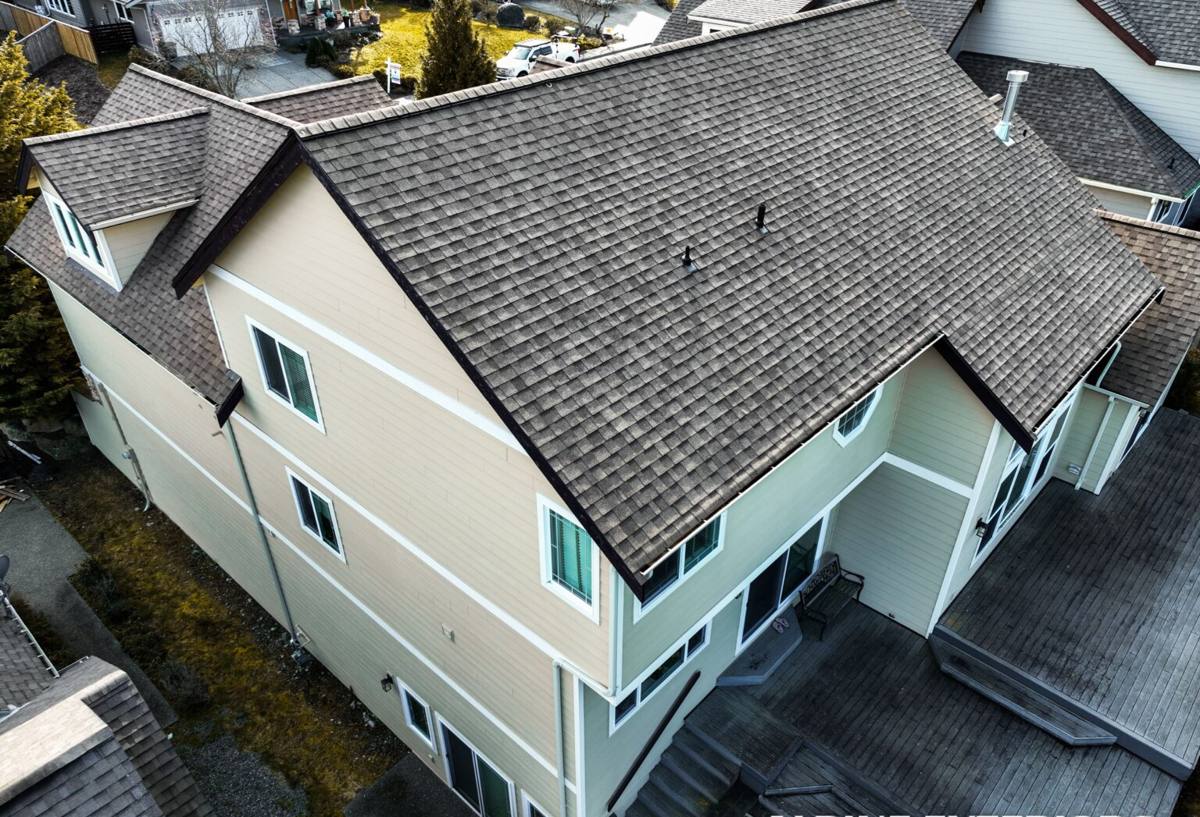
On coastal properties, window problems rarely show up in isolation. The same moisture and salt exposure that wears on window frames and seals is also working on siding, roofing, and any exposed deck structures. If we're already assessing your windows, we're happy to flag anything we notice elsewhere on the exterior — moss buildup on a roofline, siding that's starting to show moisture damage, or deck boards that are past their service life. We handle all four of those trades, so if something else needs attention, you're not stuck coordinating multiple contractors.
Maintenance Tips for Coastal Windows
- Rinse frames and tracks periodically to clear salt residue, especially after storms
- Keep weep holes clear so water can drain out of the frame rather than pooling
- Trim back vegetation that shades windows and keeps moisture from evaporating, since that's what invites moss
- Lubricate hardware (hinges, cranks, locks) on a regular schedule to slow corrosion
- Repaint or reseal wood frames before finish starts to fail, not after
- Address a fogged glass unit promptly — moisture trapped between panes can eventually migrate into the frame
None of this requires much time, but staying ahead of it is what separates a window that lasts twenty-plus years from one that needs replacing at year ten.
Get an Honest Look at Your Windows
If your Birch Bay home has windows that are sticking, fogging, drafty, or just showing their age faster than you'd expect, we're glad to come take a look. We'll give you a straightforward assessment and a written estimate — no pressure, no upsell, just an honest read on what your windows actually need. Reach out using the form below to schedule a free estimate.