 Lynden Window
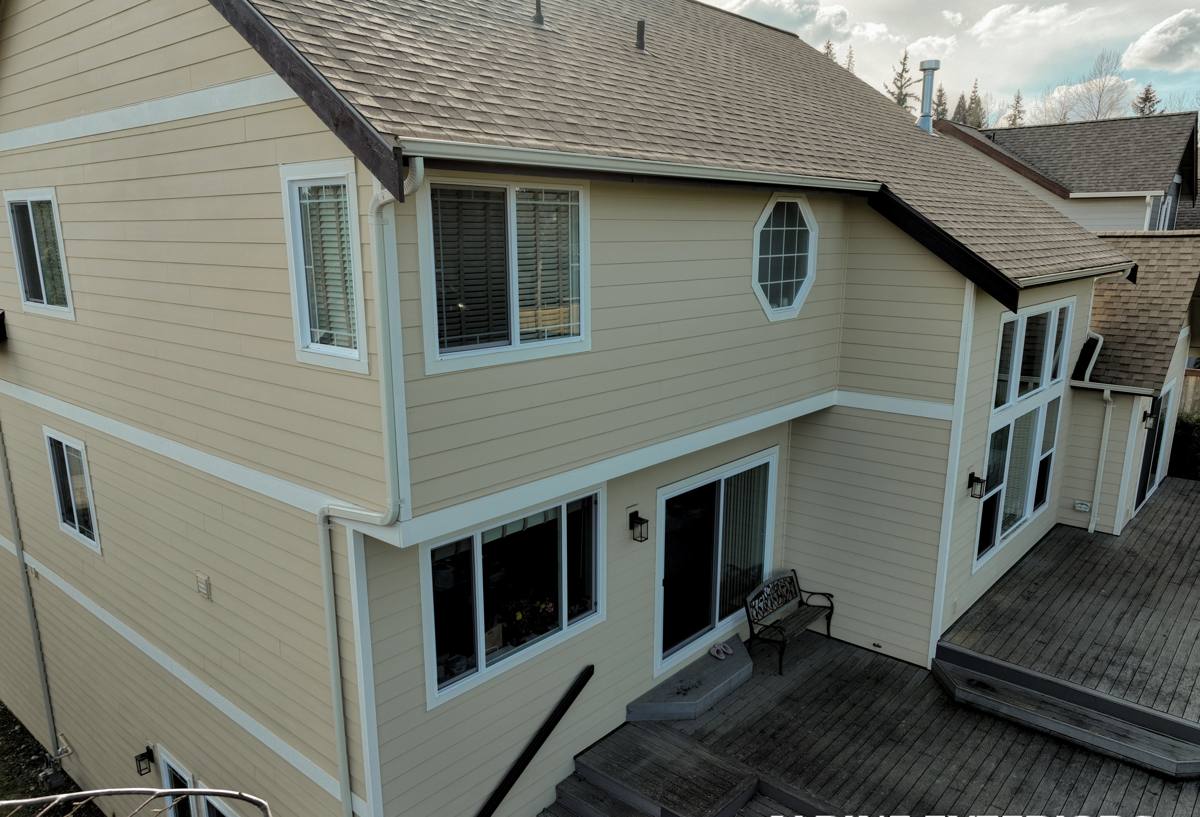
 Exterior Work Built for the Deming Area
Deming sits up the Mount Baker Highway corridor along the Nooksack River, close enough to Lynden for a short drive but different enough in setting that it deserves its own thinking when it comes to exterior work. Homes here tend to sit closer to tree cover, closer to the river valley, and often see more shade and moisture retention than properties out in the open farmland closer to town. That combination changes how siding, roofing, windows, and decks age, and it changes what a contractor should be paying attention to when working on a house out this way.
We're a Lynden-based crew that works throughout Whatcom County, and Deming is part of our regular service area. We're not a call center dispatching a stranger to your driveway — the people who show up to look at your project are the same people who understand what a foothill property near the Nooksack deals with over a wet Northwest winter.
What the Local Climate Does to a House Out Here
Whatcom County gets a lot of rain, and the closer you get to the foothills, the more of it you tend to see, along with longer stretches of overcast, damp weather. Properties near Deming often sit under more tree canopy than in-town lots, which is good for shade in summer but means less direct sun to dry things out after a storm. That combination of shade, moisture, and driving rain off the marine layer is exactly the setup that lets moss, algae, and mildew take hold on roofs, siding, and decking.
What We See Most Often
- Moss and algae buildup on north-facing roof slopes and shaded siding that never fully dries out
- Wood trim, fascia, and older siding that's held moisture long enough to start soft-rotting
- Window frames and sills with early wood rot or failed caulking where wind-driven rain gets pushed under trim
- Deck boards and ledger connections showing rot or staining from standing water and leaf debris
- Gutters and downspouts overwhelmed by needle and leaf litter from nearby trees
None of this is unusual for the area — it's just what happens to a house that sits in a wetter, shadier microclimate for a few decades without attention. The fix isn't complicated, but it does mean choosing materials and details that are honest about the conditions rather than ones that look fine on a sunny install day and struggle the rest of the year.
Windows: Where Moisture Problems Usually Start
Windows are often the first place a moisture problem shows up, because they're full of joints, seals, and transitions where water can find a way in. In a wetter, shadier setting like Deming, we pay close attention to flashing details and how water is directed away from the window opening rather than just relying on caulk to keep it out over the long run. Caulk is a maintenance item, not a permanent seal — flashing and proper overlap are what actually keep water out for decades.
What Matters in a Window for This Area
- Proper head flashing and drainage so any water that gets behind the trim has somewhere to go
- Vinyl or fiberglass frames that won't absorb moisture or swell the way untreated wood can
- Good weatherstripping and a tight seal to cut down on drafts and condensation during cold, damp stretches
- Low-E glass to help with both heat retention in winter and comfort during warmer months
We install a range of window lines and are happy to walk through options in person rather than push one brand. What matters more than the label is the installation — a mid-grade window installed with correct flashing will outperform a premium window installed sloppy, every time.
Siding That Can Handle Shade and Standing Moisture
On a shaded, damp lot, siding needs to do two things well: shed water fast and resist holding moisture against the wall assembly. Fiber cement has become our go-to recommendation for most homes in this kind of setting because it doesn't absorb water the way wood does and it holds paint and color far longer than most alternatives, which matters when a house sits under tree cover and doesn't get much direct sun to help things dry.
We're not going to tell you a particular product is "bad" — plenty of siding types have their place. But for a property near Deming dealing with regular rain, shade, and moss pressure, we lean toward materials and details that reduce long-term maintenance rather than ones that look good on day one and need constant upkeep to stay that way.
| Siding Type | How It Handles Local Moisture | Maintenance Reality |
|---|---|---|
| Fiber cement | Doesn't swell or rot; sheds water well | Repaint every 10-15 years; low upkeep otherwise |
| Vinyl | Won't rot, but can trap moisture behind it if not installed with proper venting | Very low maintenance, but installation detail matters |
| Cedar/wood | Attractive but absorbs moisture in shaded, damp conditions | Regular sealing/staining required; higher long-term upkeep |
| Engineered wood | Better moisture resistance than solid wood, still needs correct flashing | Moderate — follow manufacturer coating schedule |
Roofing for a Wetter, Shadier Lot
Moss is the number one complaint we hear from homeowners near the foothills, and it's a direct result of shade plus consistent rain. A roof that stays damp longer than it should will grow moss faster, and moss holds even more moisture against the shingles, which shortens the life of the roof. We look at ventilation, valley design, and gutter capacity as much as we look at the shingles themselves, because a roof that dries out quickly after a storm will always outlast one that doesn't, regardless of material quality.
Roofing Considerations for This Area
- Zinc or copper strips near the ridge can help slow moss growth on shaded slopes over time
- Adequate attic and roof ventilation reduces trapped moisture that speeds up shingle wear
- Gutter sizing and downspout placement matter more under trees, where debris load is higher
- Regular moss removal (rather than pressure washing, which can strip granules) protects the shingle surface
Decks: Built to Handle Standing Water and Debris
A deck near the river valley or under tree cover deals with more leaf and needle litter than one out in open farmland, and that debris holds water against the boards if it's not cleared regularly. We pay close attention to board spacing, ledger flashing, and joist protection on every deck we build, because those are the details that determine whether a deck lasts fifteen years or thirty in a wetter, shadier setting. Composite decking has become a popular choice out this way specifically because it doesn't absorb water the way wood does and holds up better under consistent moss and mildew pressure — but a well-built and properly maintained wood deck can still perform well if it's detailed correctly from the start.
Why a Local Crew Matters Here
A contractor who mostly works in drier, more open parts of the county — or who's coming from outside Whatcom County altogether — won't necessarily think about shade patterns, tree debris load, or how a foothill microclimate near Deming differs from a lot right in downtown Lynden. We do this work throughout the county regularly enough to know that a house a few miles up the highway can face noticeably different conditions than one closer to town, and we adjust our recommendations accordingly rather than applying a one-size-fits-all approach.
Being local also means faster response when something needs attention — a storm-damaged section of siding, a roof leak that shows up after a hard rain, a window that's started letting in a draft. We're not driving in from out of the area to take a look.
A Simple Maintenance Checklist for Homes Near Deming
- Clear gutters and downspouts at least twice a year, more often if you're under conifers
- Remove moss from roof surfaces before it spreads — don't wait until it's visibly thick
- Check window caulking and trim seals each fall before the wet season sets in
- Sweep leaf and needle debris off deck boards regularly, especially in shaded corners
- Walk the exterior once a year looking for soft spots, staining, or peeling paint — early signs are easier and cheaper to fix
Getting Started
Whether you're dealing with a mossy roof, a window that's started to let in drafts, siding that's showing its age, or a deck that needs rebuilding, we're happy to come take a look and give you a straight assessment of what's going on and what your options are. There's no pressure and no obligation — just an honest read on your property from a crew that knows this part of Whatcom County. Fill out the form below to request a free estimate.