 Lynden Window
 Two Solid Options, One Right Answer for Your House
If you're replacing windows in Lynden, you've probably already narrowed the field to vinyl or fiberglass. Both are legitimate, widely-used frame materials, and both can perform well in Whatcom County if they're specified correctly and installed properly. This isn't a case of one product being "good" and the other "bad" — it's a case of matching the material to your house, your budget, and how long you plan to own the home. Our job as a local contractor is to lay out the honest trade-offs so you can make that call with real information instead of a sales pitch.
We'll walk through what each material actually is, how it holds up against the specific conditions we deal with here — salt-tinged air off the Sound, driving winter rain, and the long stretch of damp, low-sun months that keep moss and algae active on north-facing surfaces — and then give you a straightforward comparison you can use when you're getting quotes.
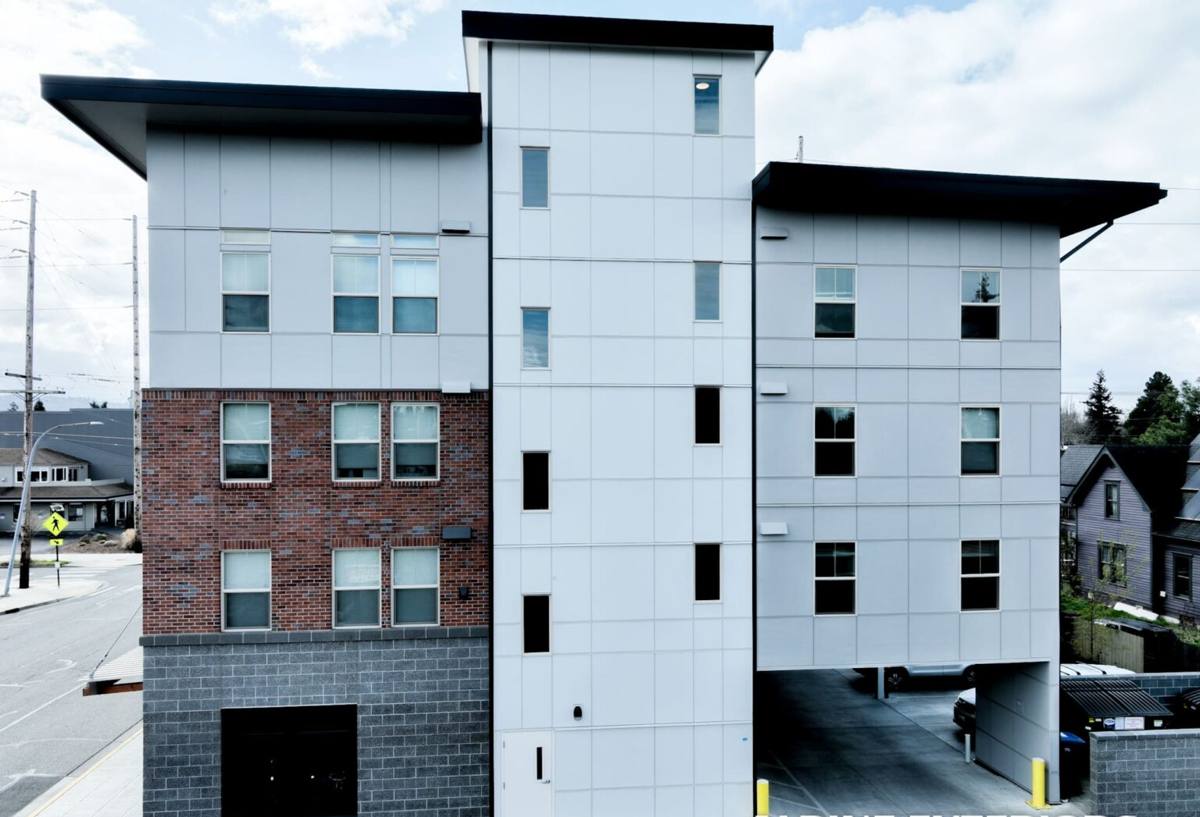
What Vinyl Windows Bring to the Table
Vinyl (PVC) frames are the most common replacement window material installed in the Pacific Northwest, and for good reason. The material is extruded and welded at the corners, which gives it a naturally tight, low-maintenance surface with no paint to chip or wood to rot. Modern vinyl frames use multi-chambered profiles filled with insulating air pockets, and many are available with foam-filled cavities for better thermal performance.
Where vinyl performs well
- Lower upfront cost than fiberglass, often by a meaningful margin
- No painting or staining required — color is consistent through the material
- Good energy performance when paired with a quality low-E glass package
- Wide availability of styles, colors, and grid patterns from multiple manufacturers
- Handles moisture well since the material itself doesn't absorb water
Where vinyl has real limitations
Vinyl expands and contracts more than fiberglass as temperatures swing, which is a bigger factor in climates with wide daily temperature spreads than it is here — but it still matters over a 20-30 year service life. Vinyl frames also can't be painted a different color down the road without specialty coatings, and very large picture windows in vinyl may need internal reinforcement to resist bowing. Darker vinyl colors absorb more heat, which manufacturers account for with reinforced profiles, but it's a detail worth asking about if you want a black or bronze exterior.
What Fiberglass Windows Bring to the Table
Fiberglass frames are made from pultruded glass fibers set in resin — essentially the same family of material used in high-performance boat hulls and decking. The result is a frame that's dimensionally stable across a wide temperature range, meaning it expands and contracts at nearly the same rate as glass. That matters for seal integrity over time, since the seal between glass and frame is one of the first things to fail on a lower-quality window.
Where fiberglass performs well
- Very stable dimensionally — less stress on seals and weatherstripping over decades
- Strong enough to be built with thinner frames, which means more visible glass for the same rough opening
- Can be painted, so a homeowner can change exterior color later without replacing the window
- Excellent resistance to moisture absorption and doesn't support rot or mold growth in the frame itself
- Generally carries a longer expected service life than vinyl
Where fiberglass has real limitations
The main trade-off is cost — fiberglass windows typically run higher than comparable vinyl units, sometimes significantly so depending on the manufacturer and glass package. Color and style options are also more limited than vinyl's enormous catalog, and if you want a painted finish, that adds another line item. For a homeowner working with a tight budget across a whole-house replacement, that price gap is often the deciding factor.
How Lynden's Climate Actually Factors In
This is the part that gets skipped in generic buying guides, so it's worth spending real time on. Whatcom County sits close enough to the Salish Sea that homes — especially those closer to Birch Bay, Blaine, or along the Nooksack corridor — deal with a mild but persistent salt-air influence on top of our standard marine climate. Add in months of driving, wind-pushed rain each fall and winter, plus a long moss and algae season on shaded, north- and west-facing walls, and the frame material's job isn't just insulating — it's resisting sustained moisture exposure at the sill and corner joints, year after year.
Salt air and corrosion-adjacent wear
Neither vinyl nor fiberglass frames corrode the way metal does, which is one reason both have replaced aluminum in most Lynden replacement projects. Where salt air actually shows up as a problem is in hardware — locks, hinges, and cranks — so it's worth asking any contractor what hardware finish and grade is specified, regardless of which frame material you choose.
Driving rain and water management
Wind-driven rain tests the weatherstripping and the quality of the installation flashing far more than it tests the frame material itself. A fiberglass window installed with poor flashing will leak just as reliably as a vinyl one. That said, fiberglass's dimensional stability means the compression seals stay tighter over a longer period without the frame flexing away from the weatherstrip, which can be a real advantage on west- and south-facing walls that catch the brunt of our winter storms.
Moss, algae, and prolonged dampness
On the shaded sides of a house — under eaves, behind landscaping, on north walls — moss and algae growth is mostly a siding and trim issue, not a window-glass issue. But it does affect frame choice indirectly: vinyl's smooth, non-porous surface doesn't give moss anything to grip, and neither does fiberglass. Where it matters more is the sill design and drainage detailing, which is an installation question as much as a product question.
Vinyl vs. Fiberglass: Side-by-Side
| Factor | Vinyl | Fiberglass |
|---|---|---|
| Upfront cost | Lower | Higher, often 20-40% more |
| Dimensional stability | Good, but expands/contracts more with temperature | Excellent — close to glass's own rate |
| Color/finish options | Wide range, factory-baked color | Fewer stock colors, but paintable |
| Frame thickness / glass area | Standard, some bowing risk on large units | Thinner frames possible, more visible glass |
| Moisture resistance | Very good — non-porous | Very good — non-porous |
| Typical service life expectation | Long, with variation by manufacturer | Longer, generally |
| Best fit | Budget-conscious full-house replacements | Larger openings, west/south exposures, long-term owners |
Cost Factors Worth Understanding Before You Get Quotes
Sticker price is only part of the picture. A few things move the number more than the frame material label alone:
| Cost factor | Why it matters |
|---|---|
| Glass package (low-E coatings, gas fill, number of panes) | Often affects energy performance more than frame material choice |
| Window count and size | Larger units and full-house projects have per-window economies of scale |
| Full-frame vs. insert replacement | Full-frame costs more but is often necessary when sills or framing are compromised |
| Hardware grade | Better locks and cranks add modest cost but matter for long-term function |
| Trim and finish work | Interior/exterior trim repair or replacement can be a significant add-on |
Because of these variables, two quotes with the same "vinyl" or "fiberglass" label can land far apart in price. It's worth asking any contractor to itemize the glass package and installation scope separately from the frame material so you're comparing apples to apples.
Installation Sensitivity — Why the Install Matters as Much as the Window
We'll say this plainly because it gets glossed over: a mid-grade window installed correctly will outperform a premium window installed poorly, especially in a climate that sends driving rain at a wall for months at a time. Proper flashing integration with the house wrap, correct shimming so the frame isn't racked, and sealing that allows the window to drain rather than trap water are what actually prevent the leaks and rot that homeowners blame on the window itself. This is true whether you choose vinyl or fiberglass — the material doesn't compensate for a rushed or careless install.
Maintenance Realities for Both Materials
Neither vinyl nor fiberglass needs painting to survive, which is a real advantage over wood. Day-to-day, both benefit from the same basic care:
- Rinse frames and tracks periodically to clear dust, pollen, and the fine grit that collects in coastal and rural air
- Keep weep holes at the sill clear so water can drain instead of pooling
- Lubricate locks and cranks occasionally, especially if the home is closer to the water where salt air is more present
- Check exterior caulking and sealant lines annually and touch up before gaps let water behind the trim
- If you chose painted fiberglass, expect a repaint cycle eventually — ask your contractor what interval to plan for
A Practical Checklist Before You Decide
- Get itemized quotes that separate frame material, glass package, and installation scope
- Ask what the warranty actually covers — frame, glass seal failure, and labor are often different terms
- Consider your exposure: west- and south-facing walls that catch our worst winter storms are where fiberglass's stability pays off most
- Factor in how long you plan to stay in the home — a longer horizon shifts the math toward fiberglass's higher upfront cost
- Confirm the installer's flashing and drainage approach, not just the product brand
- If budget is the primary driver, a quality vinyl window with a strong glass package is a sound, defensible choice
Getting an Honest Recommendation for Your House
The right answer often comes down to a handful of specifics about your particular house — how exposed it is to weather, the size and orientation of the openings, and what you're trying to accomplish with the budget you have. We're happy to walk your home, look at the openings in question, and give you a straightforward recommendation without steering you toward whichever product happens to carry a better margin. If you'd like a free, no-pressure estimate for your Lynden home, use the form below and we'll get you scheduled.