 Lynden Window
 Windows Built for Ferndale's Weather, Not Just Any Weather
Ferndale sits close enough to Bellingham Bay and the Salish Sea that homes here take on a different kind of weathering than houses further inland in Whatcom County. Salt-laden air moves in off the water, driving rain comes sideways more often than straight down, and the long gray stretch from fall through spring gives moss and algae months to get comfortable on anything that stays damp. Windows are one of the first places that shows up — in fogged glass, swollen sashes, chalky or pitted frames, and finishes that dull years before they should.
Lynden Window Co works throughout Whatcom County, and Ferndale is one of the areas where we see the clearest evidence of coastal exposure on window systems. That doesn't mean every home needs a full replacement — a lot of what we do here is honest assessment first, repair where it makes sense, and replacement where the frame or seal has actually failed.
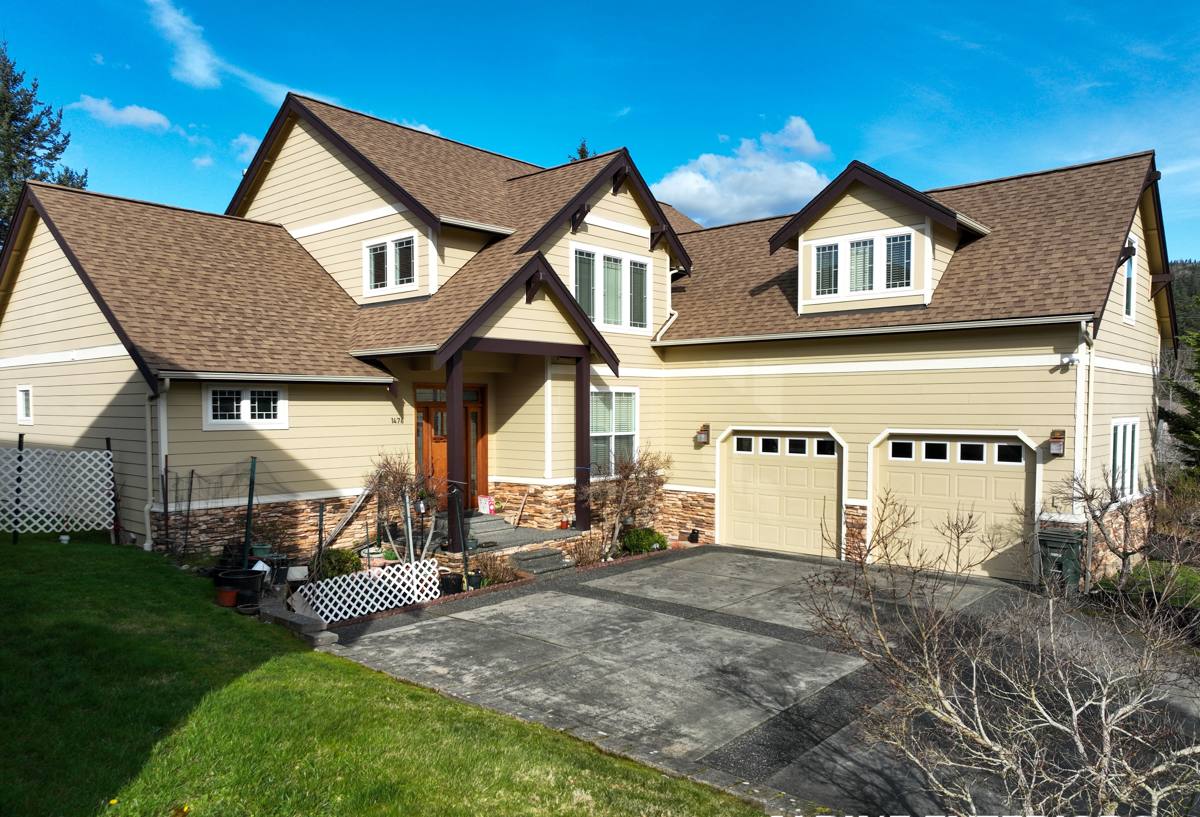
What Salt Air and Driving Rain Actually Do to a Window
Salt Air
Airborne salt is corrosive to metal hardware — hinges, locks, balance systems, and aluminum frames or cladding. It accelerates oxidation and can leave a chalky residue on exterior finishes that's easy to mistake for ordinary dirt. Over years, unprotected or lower-grade hardware can seize up or corrode enough that a window becomes hard to operate.
Driving Rain
Wind-driven rain doesn't just fall on a window, it gets pushed into gaps, under trim, and around flashing that would stay dry in a calmer climate. Weak points show up as water staining on interior sills, soft trim, or a musty smell near the window even when there's no obvious leak. Flashing and sealant detail matter more here than in a lot of the country, because the rain is actively working to find a way in rather than just running off.
Moss and Algae
A long damp season means moss and algae get real time to establish on wood trim, sills, and anywhere water sits instead of draining. Beyond the cosmetic issue, moss holds moisture against the surface underneath it, which is exactly the condition that causes wood rot and finish failure.
Signs a Ferndale Home's Windows Need Attention
- Fogging or a hazy film between panes — the seal on a double- or triple-pane unit has failed and the gas fill is gone
- Windows that are hard to open, close, or lock, especially after a wet stretch
- Visible gaps, cracked caulk, or daylight around the frame from the inside
- Soft or discolored wood trim, or moss/algae buildup on sills and casings
- A noticeable draft or cold spot near the window even with it fully closed
- Rising energy bills without another clear explanation
- Condensation on the inside of the glass regularly, which can point to both window performance and interior humidity
Frame and Glass Options: What Actually Holds Up Here
There's no single "best" window for every home — it depends on the home's age, siding type, budget, and how exposed the elevation is to wind and rain. Here's how the common options generally compare for a marine-influenced climate like Ferndale's:
| Frame Material | Moisture / Salt Resistance | Maintenance | Typical Fit |
|---|---|---|---|
| Vinyl | Good — won't rust or rot, handles salt air well | Low — occasional cleaning | Most common choice for straightforward, budget-conscious replacements |
| Fiberglass | Very good — dimensionally stable, resists warping in wet/dry cycles | Low | Homes wanting a longer-term, higher-performance option |
| Wood or Wood-Clad | Fair to good depending on cladding — solid wood interior needs protection from moisture | Higher — finish upkeep, especially on exposed elevations | Homes prioritizing a traditional look, often with clad exteriors to manage exposure |
| Aluminum | Fair — conducts cold and can corrode faster in salt air without quality coatings | Moderate | Less common for residential replacement in this climate |
For glass, an insulated double-pane unit with a low-E coating is the baseline we'd recommend for this area. Triple-pane adds meaningful sound and thermal performance and can be worth it on street-facing or particularly exposed sides of a home, but it's not always necessary on every opening — we'll walk through where it actually earns its cost and where it doesn't.
How We Approach a Window Project
Every job starts with a walk-through of the home, not a sales pitch. We look at the condition of the existing frames, how the current windows are performing, and whether the issue is really the window itself or something else going on with the surrounding siding, trim, or flashing. Replacing a window into a poorly flashed opening just repeats the same failure a few years down the road, so we address the opening as a whole, not just the unit.
From there:
- We measure and confirm the right window type and size for each opening — retrofit versus full-frame replacement depends on the condition of the existing frame
- We check and correct flashing and weather barrier details at the opening before the new window goes in
- We install with attention to air sealing and drainage, not just fitting the unit into the hole
- We finish and seal the exterior trim so water sheds away from the opening instead of sitting against it
We stand behind our installation work, and manufacturer warranties on the glass and hardware carry through separately — we'll go over what's covered by whom before anything is signed.
Windows Don't Work in Isolation From the Rest of the Exterior
A window is only as good as what surrounds it. Lynden Window Co also handles siding, roofing, and decks, and in a lot of Ferndale homes those systems are interconnected in ways that matter for a window project specifically:
- Siding: If siding around a window opening is damaged, gapped, or improperly lapped, water can get behind a perfectly good window installation. We check this as part of any window job.
- Roofing: Roof drainage and gutter performance affect how much water runs down a wall and past upper-story windows. Poor drainage upstream shows up as window and trim problems downstream.
- Decks: Deck ledger boards and attachment points near windows or doors need the same attention to flashing and moisture management as the windows themselves.
Because we work across all of these, we're not just looking at the window in front of us — we're looking at how water moves around the whole exterior of the house.
Maintaining Windows Through a Whatcom County Winter
Whatever windows a home ends up with, a little seasonal attention goes a long way in this climate:
- Rinse salt residue and grime off exterior glass and frames a few times a year, especially on wind-exposed sides
- Keep weep holes (the small drainage openings at the bottom of the frame) clear of debris so water can escape instead of pooling
- Check and refresh exterior caulk where it's cracked or pulling away, before a wet season sets in
- Brush off moss and algae buildup on sills and trim before it holds moisture against the surface long-term
- Operate locks and hardware periodically so corrosion doesn't get a chance to seize them up
- Watch for condensation patterns that change over time — new fogging between panes means a seal has failed
Cost Factors for a Ferndale Window Project
Every home is different, but the main variables that move the price of a window project are fairly consistent:
| Factor | Why It Matters |
|---|---|
| Retrofit vs. full-frame replacement | Full-frame work involves more labor and exterior trim/siding repair but is often needed when a frame is already compromised |
| Frame material | Vinyl is typically the most budget-friendly; fiberglass and wood-clad options cost more upfront |
| Glass package | Double-pane low-E versus triple-pane changes both material cost and long-term energy performance |
| Number and size of openings | Larger openings and specialty shapes (bay, picture, custom sizes) take more time and material |
| Condition of the existing opening | Hidden rot or flashing failure found once the old window is out adds necessary repair work |
| Accessibility | Second-story or hard-to-reach windows take more setup time |
We give a written, itemized estimate before any work starts so there's no guessing about what's included.
Why a Local Crew Matters Here
A window contractor who works regularly in Whatcom County has already seen how homes in this specific area age — which elevations take the worst of the weather, which older window installations tend to fail first, and what a properly flashed opening needs to look like to actually hold up through a wet Pacific Northwest winter. That's different from general knowledge that applies anywhere in the country. We're not guessing at how Ferndale's climate affects a house; we see it on job sites regularly and build our approach around it.
Being local also means we're reachable if something needs a follow-up look after the job is done, and we're not disappearing after the invoice is paid.
If you're noticing drafts, fogged glass, sticking sashes, or just want an honest read on where your windows stand, we're happy to take a look. Reach out for a free, no-pressure estimate — we'll tell you what actually needs doing and what can wait.