 Lynden Window
 Window Replacement for Maple Falls Homes
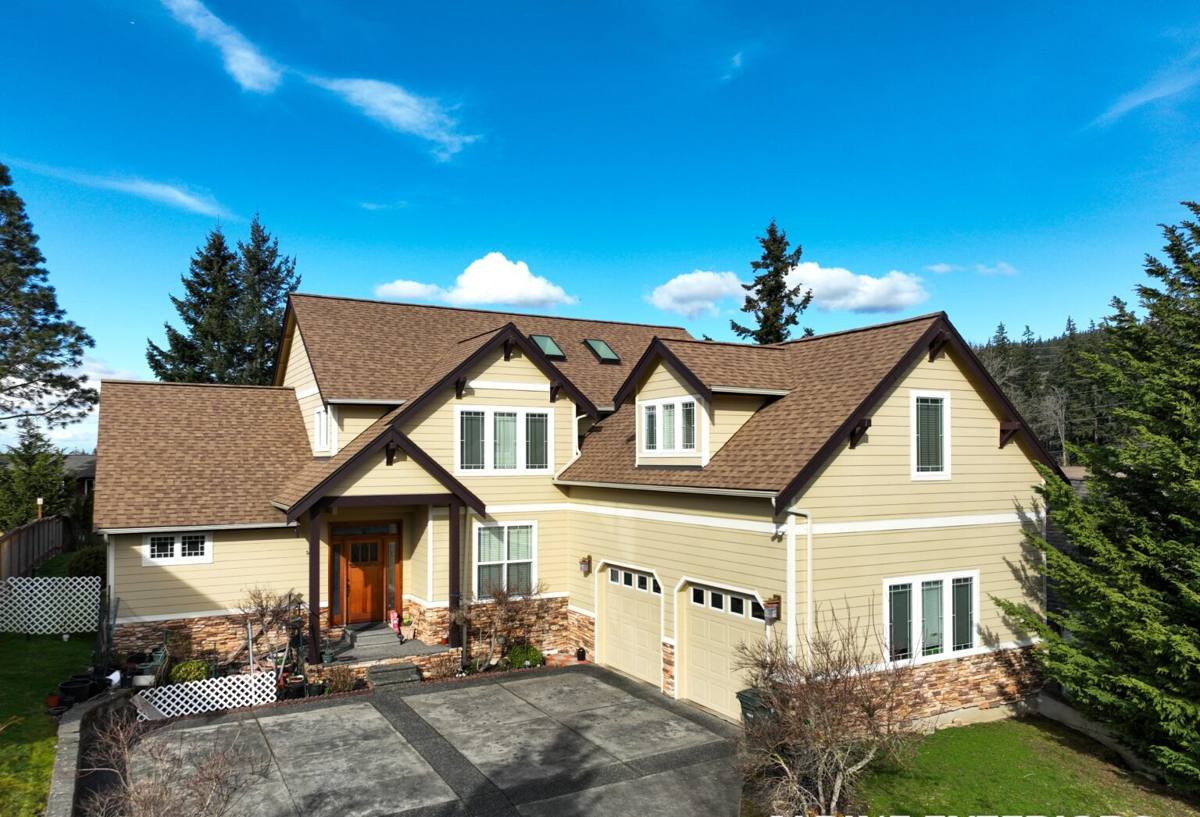
Maple Falls sits in the forested foothills east of Lynden, in the part of Whatcom County where the trees close in, the rain lingers longer, and the sun has a harder time reaching the north side of a house. Homes out here don't wear the same way homes on open, sunny lots do. Wood trim stays damp longer. Window sills sit in shade for months at a stretch. And the moisture that moves through this whole corner of the county, from the lowland farmland around Lynden up into the foothills, eventually finds its way into old window frames one way or another.
This page is about one job, done right, in this one area: replacing windows on a Maple Falls home so they hold up to the climate instead of fighting it for a few years and losing.
Why Maple Falls Windows Wear Out Differently
Whatcom County as a whole deals with a wet, marine-influenced climate — moisture-laden air moves in off the Salish Sea and settles over the lowlands, and that same weather pattern pushes rain and cloud cover up into the foothills where Maple Falls sits. What changes as you move east from Lynden toward Maple Falls is the tree cover and the terrain. Heavier forest canopy means:
- Less direct sun on siding and window frames, so painted wood and older vinyl stay damp longer after every rain
- More organic debris — needles, seed pods, leaf litter — collecting in window tracks, sills, and weep holes
- A longer moss and algae season, since shaded, moist wood and vinyl surfaces rarely get a full dry-out window
- Wider temperature swings between summer afternoons and cold, damp nights, which stresses seals and glazing over time
None of that is dramatic on its own. It's cumulative. A window that would last two or three decades in a dry, sunny climate can start failing — fogged glass, swollen sashes, soft sills — noticeably sooner out here if it wasn't built or installed with that moisture load in mind.
Signs a Maple Falls Home Needs Replacement Windows
Most homeowners don't think about their windows until something's visibly wrong, but the early signs are usually quiet. Worth checking for:
- Fogging or a permanent haze between the panes — the seal has failed and the gas fill (or air gap) is gone
- Sashes that stick, drag, or won't stay up without a prop
- Soft, spongy, or darkened wood at the sill or lower corners of the frame
- Visible daylight or a draft around the frame when the window is closed and locked
- Moss or dark streaking on the frame exterior that keeps coming back within weeks of cleaning
- Condensation forming on the inside of the glass regularly, even when the house isn't especially humid
- A noticeable rise in heating costs with no other explanation
Any one of these can be a minor fix. Several together, especially on the shaded side of the house, usually means the window's service life is ending and repair is just delaying the inevitable.
What a Correct Window Replacement Job Actually Involves
Swapping in a new window is the easy part to picture. The parts that actually determine whether it lasts are less visible.
Removal and Opening Inspection
Once the old window is out, the rough opening gets inspected before anything new goes in. This is the point where hidden rot, soft framing, or old failed flashing shows up — and in a climate like this, it's common enough that we plan for it rather than treat it as a surprise. Any damaged framing gets addressed before a new window ever goes in; installing a new window into a wet or rotted opening just resets the clock on the same problem.
Flashing and Moisture Management
This is the step that matters most in a wet climate and is the easiest to shortcut. Proper flashing — sill pan, jamb flashing, and head flashing integrated with the house wrap in the right shingled order — is what keeps wind-driven rain from working its way behind the window and into the wall cavity. Done wrong, or skipped, the failure won't show up on day one; it shows up as rot two or three years later, hidden behind the trim.
Air Sealing and Insulation
The gap between the window frame and the rough opening gets sealed and insulated — typically with low-expansion foam or backer rod and sealant, not just caulk around the trim. This is what stops drafts and controls condensation at the frame edge, which matters in a shaded, damp location where interior humidity has fewer chances to dry out.
Exterior Trim and Sealant
Exterior caulking and trim work is finished with sealants rated for exterior exposure, and gaps are checked for full coverage, not just a visible bead. In a location with a long moss season, any gap in the seal is a spot where moisture sits instead of shedding.
Interior Finish
Interior trim, stops, and hardware get reinstalled or replaced, and the sash is checked for smooth operation and a tight, even seal all the way around before the job is called done.
Choosing Window Materials for This Climate
There's no single "best" window material — the right choice depends on the specific window, its exposure, and the homeowner's priorities. Here's how the common options compare for a shaded, wet-climate location like Maple Falls:
| Frame Material | Moisture Behavior | Maintenance | Notes for This Climate |
|---|---|---|---|
| Vinyl | Won't rot; can trap moisture at poorly sealed joints | Low — occasional cleaning | Good value; quality of installation matters more than the material itself |
| Fiberglass | Very stable, minimal expansion/contraction | Low | Handles the temperature swings between damp nights and warm afternoons well |
| Wood, painted | Can absorb moisture if paint film breaks down | High — repainting cycle needed | Needs sun exposure to dry properly; a tough fit for permanently shaded elevations |
| Wood-clad (exterior clad, wood interior) | Exterior clad resists moisture; interior wood still needs some airflow | Moderate | A reasonable middle ground when a wood interior look is wanted |
| Aluminum | Corrosion-resistant but conducts cold, prone to interior condensation | Low | Generally a poor fit where interior condensation is already a concern |
For most shaded, north-facing, or heavily treed lots around Maple Falls, we lean toward vinyl or fiberglass specifically because they don't depend on regular sun exposure to stay in good condition. That's not a knock on wood — it's a maintenance and moisture-behavior tradeoff, and it's a bigger factor here than it would be on an open, sunny lot.
Glass Packages Worth Considering
Frame material gets most of the attention, but the glass package matters just as much for comfort and condensation control:
- Double-pane, low-E glass is the standard baseline for this climate and handles the temperature swings reasonably well
- Argon or krypton gas fill between panes improves insulation value with no visible difference
- Warm-edge spacers reduce condensation at the edge of the glass, which is where fogging and frost typically start first in a cold, damp climate
- Triple-pane adds cost and weight but can be worth it on north-facing or heavily shaded walls where comfort and condensation are the biggest complaints
Our Process, Start to Finish
1. On-Site Assessment
We look at the actual windows being replaced — their exposure, condition, framing, and what's driving the homeowner's decision (drafts, fogging, appearance, energy bills) — rather than quoting off a phone description.
2. Straightforward Estimate
The estimate breaks out material and labor so it's clear what's being paid for, with no pressure to decide on the spot.
3. Scheduling Around the Weather
Window openings are exposed to the elements during the swap. We schedule and sequence the work to minimize how long any opening sits uncovered, which matters more here than in a drier climate.
4. The Install
Removal, opening inspection, flashing, insulation, and finish work, done in that order, with no step skipped to save time.
5. Walkthrough and Cleanup
Every new window gets operated and checked before we consider the job finished, and the site is cleaned up — old windows and debris hauled off, not left for the homeowner to deal with.
What Window Replacement Typically Costs
Exact pricing depends on window size, material, glass package, and how many openings are being done at once, but the main cost drivers are consistent from job to job:
| Factor | Effect on Cost |
|---|---|
| Frame material (vinyl vs. fiberglass vs. wood-clad) | Vinyl is typically the most economical; fiberglass and wood-clad cost more upfront |
| Glass package (double vs. triple-pane, gas fill) | Upgraded glass adds cost but can reduce condensation and heating bills |
| Full-frame vs. insert replacement | Full-frame replacement (removing down to the rough opening) costs more but is necessary when framing or flashing needs repair |
| Number of openings done together | Bundling multiple windows in one visit generally lowers the per-window cost |
| Access and site conditions | Upper-story windows, tight access, or extensive trim rebuild add labor time |
We'd rather walk a homeowner through these factors on their actual windows than quote a number that doesn't hold up once we're on site. Most window replacement projects fall in a broad mid-range per opening once material and labor are both accounted for, but the honest answer is "it depends" until we've seen the windows.
Why a Crew That Already Works Maple Falls Matters
Maple Falls isn't downtown Lynden — it's a drive up into the foothills, and that has practical effects on a window job. A crew that already works this stretch of Whatcom County knows what the rough openings on homes out here tend to look like after years of shade and moisture, shows up prepared for site access that isn't always a flat driveway, and isn't guessing at how to sequence a job around weather that can turn faster in the foothills than it does down in the valley. That familiarity shows up in fewer surprises mid-job, not just faster scheduling.
It also means a shorter wait for a warranty call or a follow-up adjustment. A contractor based well outside the area has less incentive to make a short trip back out for a minor tweak. A crew that's already routing through Lynden and the surrounding communities can fold that follow-up into a normal week instead of treating it as a special trip.
Questions to Ask Before Hiring
Whoever does this work, a few questions are worth asking before signing anything:
- Are they licensed and insured to do window and exterior work in Washington State?
- Do they inspect the rough opening for rot or moisture damage before installing, or do they install straight over whatever's there?
- What flashing method do they use, and will they explain it in plain terms?
- Is the estimate itemized, or just a single bottom-line number?
- Do they regularly work in this specific area, or is this a one-off trip for them?
A contractor who answers these plainly, without getting defensive, is usually one worth trusting with the job.
Get a Free, No-Pressure Estimate
If your windows in Maple Falls are fogging, dragging, or just letting in more cold than they used to, it's worth having someone take an honest look before deciding what to do. Fill out the form below for a free estimate — no pressure, no obligation, just a straight assessment of what your windows actually need.