 Lynden Window
 Siding Installation in Sumas: Built for Whatcom County Weather
Sumas is a small community right up against the Washington-British Columbia border, just north of Lynden, and homes out here take a steady beating from the same weather pattern that defines this whole corner of Whatcom County. Long wet winters, humid summers, and a marine-influenced climate mean siding isn't just a cosmetic choice — it's the single biggest factor in whether a house stays dry, warm, and free of rot behind the walls. When we install siding in Sumas, we're not treating it like a generic exterior remodel. We're treating it like weatherproofing for a specific climate that doesn't forgive shortcuts.
This page covers what siding installation actually involves for homes in and around Sumas, what correct work looks like versus what gets rushed, and why we only install one product system — James Hardie fiber cement — on every home we touch.
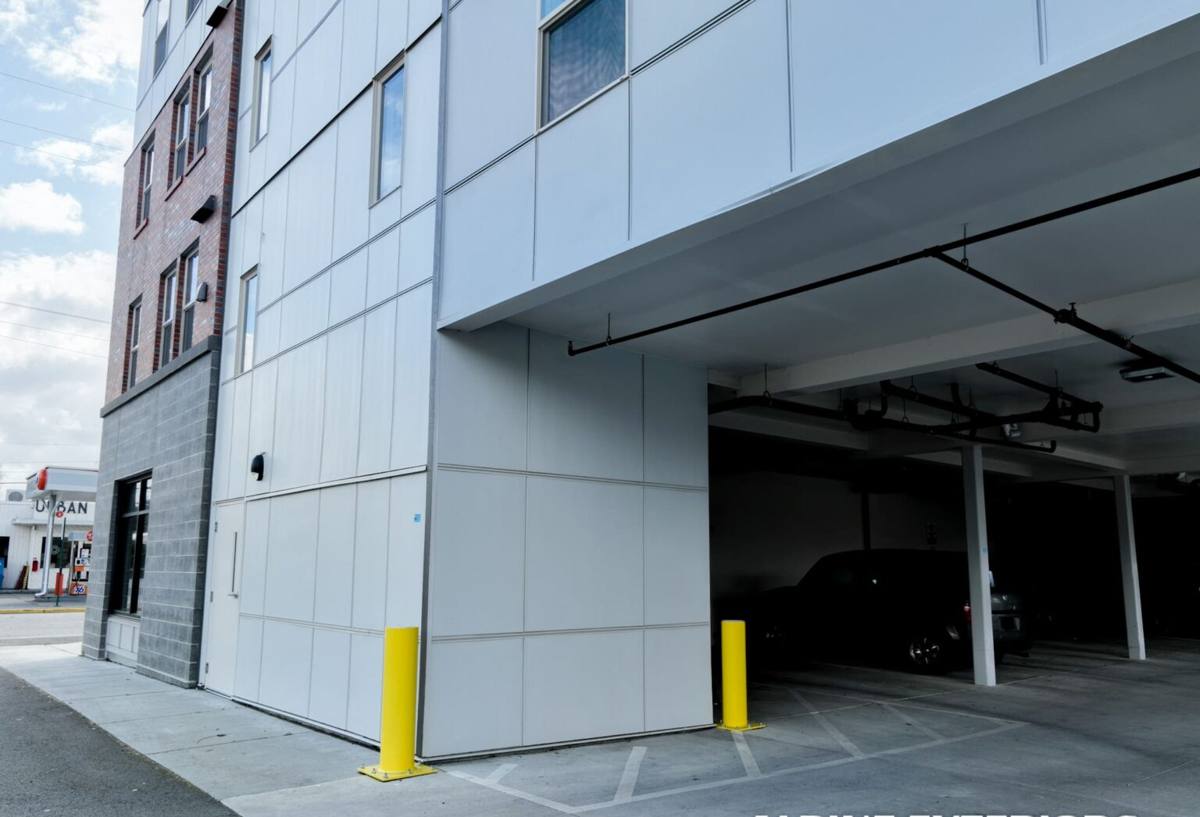
What Local Homes Are Up Against
Whatcom County's climate is defined by driving rain that comes in sideways during winter storms, long stretches of overcast humidity, and a moss season that can run most of the year on north-facing walls and shaded siding. Add in salt-tinged marine air moving inland off the Sound, and you get a combination that's hard on wood, hard on paint, and unforgiving of any gap in the water management behind the siding.
Over years, that combination shows up in predictable ways on older homes:
- Paint that fails every 3-5 years instead of holding for a full decade
- Moss and algae staining on shaded or north-facing walls
- Soft or delaminating wood siding at the bottom courses, where splash-back and standing moisture do the most damage
- Caulk joints that crack and open small gaps for water to track behind the siding
- Swelling and cupping on lower-grade composite or engineered wood products that weren't rated for this level of sustained moisture
None of this is unusual for the region — it's just what happens when a house sits under Pacific Northwest weather for long enough. The question is whether the siding system and the installation were built to handle it, or just built to look good on install day.
Why We Only Install James Hardie Fiber Cement
We made a decision years ago to stop installing vinyl, LP SmartSide, primed spruce, cedar, and other fiber cement brands, and to install James Hardie exclusively. That's not a marketing position — it's a maintenance and durability position based on what actually holds up under this climate over the long haul.
James Hardie fiber cement is non-combustible, dimensionally stable, and engineered specifically for wet, humid climates through its HZ10 product line, which is what gets specified for Pacific Northwest installations. It doesn't absorb water the way wood-based composite siding can, it doesn't require the same repainting cycle as wood, and its ColorPlus factory finish is baked on and warrantied against fading and peeling — which matters a lot in a climate where DIY touch-up painting is a losing battle against near-constant moisture.
We're not going to tell you every other product on the market is junk — vinyl, wood, and engineered wood siding all have legitimate uses and reasonable installations elsewhere. But for Sumas and the rest of Whatcom County, we've settled on the one system that consistently holds its finish, resists moisture intrusion, and doesn't need babying, and that's what we put on every home we work on.
What HZ5 Engineering Actually Means
Hardie's HZ product lines are formulated differently depending on climate zone — some are optimized for freeze-thaw cycling, others for humidity and moisture exposure. The formulation used in this region is built around resisting the kind of sustained damp conditions Whatcom County sees most of the year, rather than the deep-freeze conditions you'd design for in a drier, colder climate. That distinction matters, because siding engineered for the wrong climate zone can crack, swell, or fail early even if it's the "right" brand.
What a Correct Siding Installation Actually Involves
Siding is a system, not a single layer. The board itself only does part of the job — the water-resistive barrier, flashing, fastening pattern, and clearances behind and around it are what actually keep a house dry. On a home in Sumas, where wind-driven rain and humidity are constants, cutting corners on any one of these pieces shows up as a problem within a few years, not decades.
A correct installation includes:
- A continuous, properly lapped water-resistive barrier installed shingle-style so water sheds outward, not into the wall cavity
- Flashing at every window, door, and roof-to-wall transition, installed so water is directed out and away from the sheathing
- Correct fastener type, spacing, and depth per Hardie's installation specifications — over-driven or under-driven nails are one of the most common causes of early failure
- Proper clearance between the bottom of the siding and grade, decks, patios, and roof lines, so splash-back and standing water don't sit against the board
- Caulking and sealant only where Hardie's specs call for it — sealing the wrong joints can trap moisture instead of keeping it out
- Factory-cut, factory-primed edges kept intact wherever possible, with field cuts painted or sealed per manufacturer instructions
This is also where a lot of installations quietly go wrong. The siding can look perfect from the curb and still be set up to fail behind the wall because a flashing detail was skipped or a fastener schedule was ignored to save time.
Our Process for a Sumas Siding Job
| Stage | What Happens | Why It Matters |
|---|---|---|
| On-site assessment | We inspect existing siding, sheathing, trim, and any moisture damage before quoting | Hidden rot or soft sheathing changes the scope — we'd rather find it before we start |
| Tear-off and sheathing check | Old siding comes off, sheathing is inspected and repaired as needed | New siding over damaged sheathing just hides the problem instead of fixing it |
| Water-resistive barrier and flashing | Barrier and flashing installed per manufacturer spec at every penetration | This layer does the real waterproofing work, not the siding itself |
| Hardie installation | Boards, panels, or shingles installed with correct fastening and clearances | Follows factory specs so the transferable warranty stays intact |
| Trim, caulking, and finish detail | Trim work, touch-up on field cuts, and final inspection | Clean detail work is what keeps water from finding the one gap that matters |
| Walkthrough | We walk the finished job with the homeowner before calling it done | You should understand what was done and why before we leave |
Common Issues We Find on Older Sumas Homes
Because we work regularly in and around Sumas and Lynden, we see the same handful of problems come up again and again on older homes when we tear off existing siding:
- Missing or improperly lapped house wrap, sometimes installed upside down so it channels water inward instead of out
- Window flashing that was skipped entirely, relying on caulk alone to keep water out
- Wood siding installed with no gap at grade, wicking moisture up from the ground
- Old fastener patterns that split boards or backed out over time, opening entry points for water
- Moss and algae growth built up in siding laps and behind trim on shaded elevations, holding moisture against the wall long after rain stops
None of these are visible from the street. They're the kind of thing that only shows up once the old siding comes off — which is exactly why the tear-off and sheathing inspection stage of the job matters as much as the new siding itself.
Color, Texture, and Curb Appeal Considerations
Beyond performance, siding is one of the biggest visual decisions a homeowner makes about their house. James Hardie's ColorPlus finishes come in a range of factory-baked colors designed to hold their tone without the fading and chalking you get from field-applied paint over years of overcast, humid weather. Lap siding, shingle-style panels, and board-and-batten are all available in the Hardie system, which gives homeowners in Sumas real flexibility to match a farmhouse look, a more traditional Northwest style, or a modern flat panel aesthetic without stepping outside a product built for this climate.
We're happy to walk through color and texture options as part of the estimate — but the honest advice we give every homeowner is to pick the system first and the color second. A great-looking installation on the wrong product still fails early; a well-installed Hardie system in a color you're lukewarm on will still outlast almost anything else on the market.
Why Hiring a Crew That Already Works Sumas Matters
Siding installation done wrong doesn't usually announce itself right away. It shows up two, five, or ten years later as soft trim, stained walls, or a warranty claim that gets denied because the installation didn't follow manufacturer spec. A crew that works Sumas and the surrounding Lynden area regularly already knows how this climate behaves on real houses — which elevations take the worst of the wind-driven rain, where moss builds up fastest, and what flashing details actually hold up over a full Whatcom County winter, not just through one dry summer.
That local pattern recognition is worth more than it sounds. It's the difference between a crew guessing at best practices from a manual and a crew that's already seen what happens when those practices get skipped on a house a few miles down the road.
Get a Straightforward Estimate
If your siding in Sumas is showing paint failure, moss buildup, soft spots, or you're planning ahead for a replacement, we'll come take a look and give you a straightforward, no-pressure estimate on a full James Hardie fiber cement installation. Use the form below to get started.