 Lynden Window
 Roof Replacement Built for Wiser Lake's Weather
Homes around Wiser Lake sit in a part of Whatcom County that takes a steady beating from the weather most of the year. Damp marine air drifts in off the Salish Sea, driving rain comes sideways during winter storms, and the tree cover that makes this area so pleasant to live in also means shade, moisture, and a long moss season that never really lets a roof dry out completely. A roof here doesn't fail because of one bad storm. It fails slowly, from years of freeze-thaw cycles, saturated moss mats holding water against the shingles, and UV exposure breaking down materials that were already softened by moisture. Replacing a roof in this environment isn't just swapping old shingles for new ones. It's an opportunity to fix the underlying moisture and ventilation problems that shortened the last roof's life in the first place.
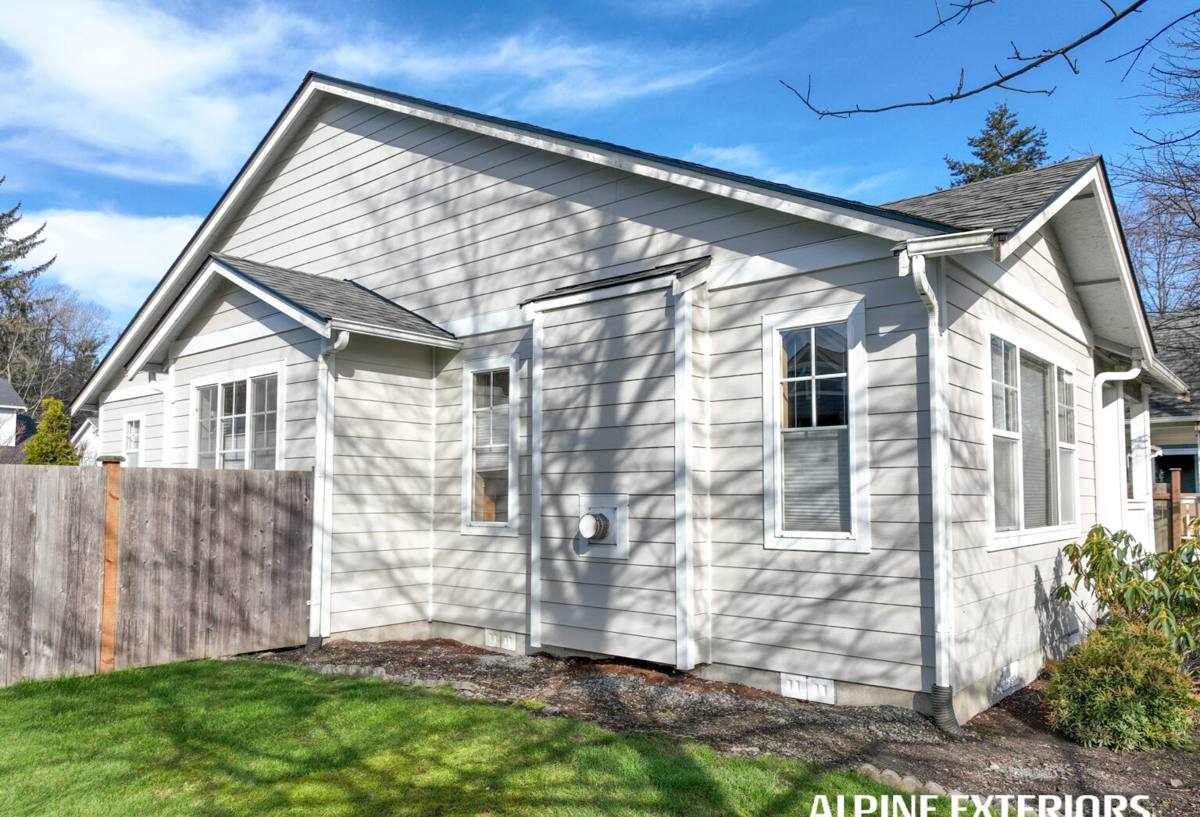
Signs a Wiser Lake Roof Has Reached the End of Its Life
Most homeowners call us after noticing one obvious problem, but a full inspection usually turns up several related issues. Here's what typically points to replacement rather than another round of patching:
- Shingles that are cupping, curling at the edges, or losing granules in the gutters
- Moss and lichen that keep coming back within a year or two of cleaning, even after treatment
- Dark streaking or soft spots visible from the ground, especially on north-facing slopes that stay shaded
- Daylight or water stains in the attic, particularly around chimneys, vents, and valleys
- A roof that's 20-25+ years old on standard asphalt shingles, or showing granular wear well before that age
- Recurring ice-dam damage or interior leaks that show up every time we get a hard winter storm
When Repair Still Makes Sense
Not every roof with a problem needs full replacement. A localized flashing failure, a handful of storm-damaged shingles, or a clogged valley can often be repaired if the rest of the roofing system is sound and the decking underneath is dry. We'll tell you honestly when repair is the right call — a roof replacement is a major expense, and we're not interested in selling one before it's needed.
What a Correct Roof Replacement Actually Involves
A roof replacement is more than the visible layer of shingles or panels. In a climate like this one, the parts you don't see are what determine whether the new roof lasts 15 years or 30.
Tear-Off and Deck Inspection
We remove the old roofing down to the deck, which is the only way to actually see what's happening underneath. Years of trapped moisture can soften or rot plywood or plank decking, especially around valleys, chimneys, and skylights. Any damaged decking gets replaced before anything new goes down — covering over a soft deck just hides the problem for the next owner to find.
Underlayment and Water Barrier
In a region that sees this much sustained rain, underlayment choice matters. We use synthetic or self-adhering underlayment in the areas most exposed to wind-driven rain and ice — eaves, valleys, and around every penetration — rather than relying on minimum-code felt paper alone.
Flashing
Flashing failure, not shingle failure, causes most roof leaks. Every chimney, skylight, vent pipe, and wall intersection gets new flashing during a replacement — reusing old flashing to save time is one of the more common shortcuts that leads to a callback two winters later.
Ventilation
Proper intake and exhaust ventilation keeps the attic close to outdoor temperature, which reduces condensation, slows ice-dam formation, and helps shingles last their full rated life. We check and correct ventilation as part of every replacement, not as an upsell.
Choosing a Roofing Material for Whatcom County Conditions
There's no single "best" roofing material — the right choice depends on your home's roof pitch, your budget, and how much long-term maintenance you want to take on. Here's how the common options compare for a moisture-heavy, moss-prone area like Wiser Lake:
| Material | Moisture & Moss Behavior | Typical Lifespan | Maintenance |
|---|---|---|---|
| Architectural asphalt shingle | Good when installed with proper ventilation and algae-resistant granules; moss can still take hold in shaded areas | 25-30 years | Periodic moss/debris removal |
| Standing seam metal | Sheds water and moss very effectively due to smooth, steep-shedding surface | 40-50+ years | Low; occasional debris clearing |
| Synthetic shake/slate composite | Resists moisture absorption better than natural wood; holds up well in damp shade | 30-50 years | Low to moderate |
| Natural cedar shake | Attractive but absorbs moisture and is more prone to moss and rot in low-sun areas without diligent upkeep | 20-30 years with maintenance | High — regular treatment needed |
We'll walk you through these trade-offs honestly. Cedar shake, for example, can look great, but on a shaded, moisture-heavy lot it demands a level of ongoing maintenance that not every homeowner wants to keep up with — that's a maintenance and moisture-management conversation, not a knock on the material itself.
Ventilation and Moss: The Long Game
Moss is the single most common complaint we hear from homeowners near Wiser Lake, and it's rarely just a cosmetic issue. Moss holds water against the roofing surface long after the rest of the roof has dried, which accelerates granule loss on asphalt shingles and can work into seams and fasteners over time. Zinc or copper strips installed near the ridge during replacement help suppress regrowth by releasing trace metal ions with each rain. Combined with correct ventilation and keeping overhanging branches trimmed back where practical, this significantly extends the interval between moss treatments — though no roof in this climate will ever be entirely moss-free without some periodic upkeep.
Cost Factors for a Wiser Lake Roof Replacement
Every roof is priced individually after an on-site inspection, but these are the main variables that move the number up or down:
| Factor | Why It Matters |
|---|---|
| Roof size and number of facets | More square footage and more valleys/hips mean more material and labor |
| Pitch and access | Steep or hard-to-access roofs require more safety setup and take longer |
| Number of existing layers | Tear-off of multiple old layers adds disposal and labor time |
| Decking condition | Rot or soft spots found at tear-off require repair or replacement before roofing |
| Material selected | Asphalt, metal, and composite products carry different material and install costs |
| Ventilation and flashing upgrades | Bringing an older roof's ventilation up to current standards adds some cost but pays off in roof lifespan |
As a broad range, a straightforward asphalt shingle replacement on an average home tends to run in the mid-five-figure range, with metal or composite roofing costing more upfront but less over the life of the roof. We won't give a firm number without seeing the roof — anything else is a guess.
Our Roof Replacement Process
- On-site inspection — we get on the roof and into the attic, not just a look from the driveway
- Written estimate — material options, scope, and a clear price, explained in plain terms
- Scheduling — timed around weather windows, since a wet-weather tear-off is never ideal in this climate
- Tear-off and deck repair — old roofing removed, decking inspected and repaired as needed
- Underlayment, flashing, and ventilation — installed correctly the first time, not as an afterthought
- New roofing installed — to manufacturer specification, which protects your warranty
- Cleanup and final walkthrough — debris and fasteners cleared from the property, and we review the finished roof with you before we consider the job done
Why a Crew That Already Works Wiser Lake Matters
Roofing crews that mostly work drier inland regions sometimes underestimate how much moisture management matters out here. A crew that regularly works Whatcom County properties knows to size ventilation for sustained damp conditions rather than textbook averages, knows which valleys and shaded slopes on this kind of lot tend to hold moss longest, and understands the value of scheduling tear-off around actual local weather patterns rather than a generic calendar. That familiarity shows up in fewer callbacks and a roof that performs the way it's supposed to for its full rated life, not just on a sunny install day.
Before You Hire: What to Ask
A roof replacement is a significant investment, and it's worth vetting whoever you hire. At minimum, confirm:
- Current Washington state contractor license and liability insurance, verifiable independently
- Manufacturer certification for the specific product being installed, if warranty coverage depends on it
- A written scope of work that specifies underlayment type, flashing replacement, and ventilation changes — not just "reroof"
- Clear terms on what happens if decking damage is found once tear-off begins
- A written warranty covering both materials and workmanship, with the difference between the two explained
- Local references or completed local work you can ask about
If a contractor can't answer these plainly, that's worth noticing before you sign anything.
If your roof near Wiser Lake is showing its age, we're glad to take a look and give you an honest read on repair versus replacement — no pressure, no obligation. Use the form below to request a free estimate.