 Lynden Window
 Board & Batten Siding Around Wiser Lake
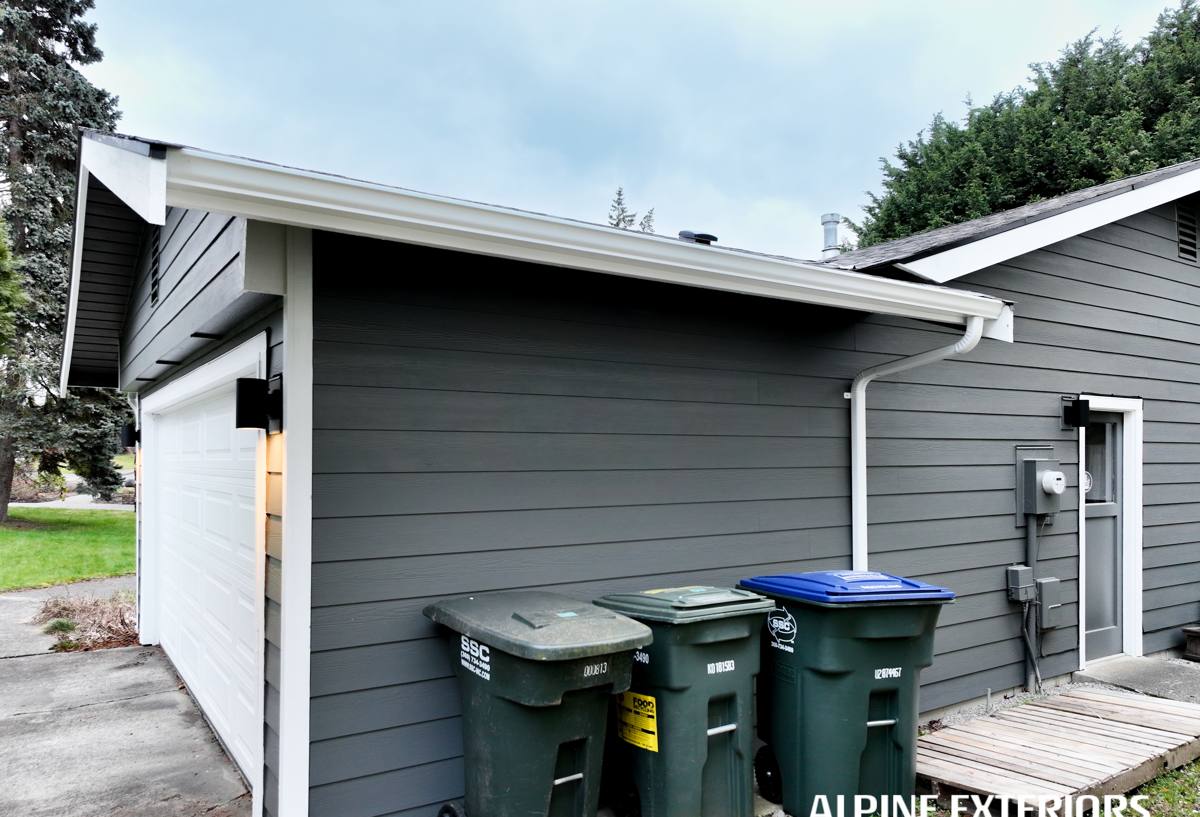
The homes scattered around Wiser Lake sit in a different microclimate than a lot in downtown Lynden a few miles away. Tree cover is heavier, lots are bigger and more shaded, and the lake itself keeps humidity higher for longer stretches of the day. That combination is exactly the kind of environment where board and batten siding either performs beautifully for decades or turns into a maintenance headache within a few years — and the difference almost always comes down to the product and the install, not the look of the siding itself.
Board and batten is a vertical siding style: wide flat panels run up the wall with narrow battens covering the seams between them. It has a clean, farmhouse-adjacent look that a lot of Wiser Lake homeowners want, especially on properties with some acreage or a barn-style outbuilding nearby. But that vertical orientation and seam-heavy design also means water management matters more here than it does with standard horizontal lap siding. Get it right and it's one of the lowest-maintenance exteriors you can put on a home in this area. Get it wrong and every batten seam becomes a place for moisture to sit.
Why This Climate Is Tougher on Siding Than It Looks
Whatcom County doesn't get hurricanes or hail the way other parts of the country do, but it grinds on siding in a slower, quieter way. Marine air pushing in off the Salish Sea and up through the Fraser and Nooksack valleys keeps this area consistently damp, driving rain comes in sideways during fall and winter storms, and the moss season here isn't really a season — it's most of the year on anything shaded. Around a lake, add in the extra humidity coming off the water and the slower drying time under mature trees, and siding gets less recovery time between wet spells than it would on an open, sunny lot closer to town.
That matters specifically for board and batten because of where the vulnerable points are:
- Batten seams: every vertical joint is a potential water path if the panel behind it isn't properly lapped, flashed, or fastened
- Panel bottoms: water running down a vertical panel concentrates at the base — a poorly detailed bottom edge invites rot or algae staining
- Shaded faces: north- and lake-facing walls dry slower, so moss and mildew take hold faster on the wrong material
- Ground and foliage contact: larger, more wooded lots around Wiser Lake often have siding sitting closer to landscaping, brush, or low tree limbs than a typical in-town lot
What Correct Board & Batten Installation Actually Involves
A lot of board and batten failures we get called out to inspect aren't material failures at all — they're installation shortcuts. The style looks simple from the ground, which is part of why it gets rushed. Done correctly, it involves several steps that don't show up in the finished look but determine whether it lasts:
Weather Barrier and Drainage Plane First
Before any panel goes up, the wall needs a continuous weather-resistant barrier with a drainage gap behind the siding. On a lake-adjacent home where humidity sits higher for longer, this drainage plane is what lets incidental moisture escape instead of getting trapped against the sheathing. Skipping or shortcutting this is invisible on install day and expensive to find out about later.
Panel Fastening and Batten Spacing
Panels need to be fastened per the manufacturer's schedule — not "close enough" — with proper edge clearance so the material isn't cinched down in a way that traps water at the fastener. Battens then need consistent spacing and their own correct fastening pattern so they cover the seam fully without bridging a gap that lets wind-driven rain track sideways underneath.
Flashing at Every Transition
Windows, doors, corners, and the base of the wall all need proper flashing integrated with the drainage plane, not just caulked over. Caulk is a topcoat, not a waterproofing strategy — it degrades, especially under UV and freeze-thaw cycling, and once it fails, whatever is behind it takes the water instead.
Bottom Clearance and Ground Contact
Board and batten siding needs adequate clearance from grade, decking, patios, and roof lines so water doesn't wick up into the panel from below. On the larger, more landscaped lots common around Wiser Lake, this also means accounting for sprinkler placement, mulch beds, and low shrubs that can keep the base of a wall damp far longer than it should be.
Why We Only Install James Hardie for This Application
Board and batten is available in vinyl, engineered wood, and fiber cement, and the differences between them show up fastest in exactly the conditions Wiser Lake homes deal with — sustained dampness, shade, and a long moss season. We standardized on James Hardie fiber cement for every home we side, and board and batten is one of the applications where that decision matters most.
| Material | Moisture Behavior | Moss/Algae Resistance | Long-Term Maintenance |
|---|---|---|---|
| Vinyl board & batten | Doesn't rot, but panels can warp or bow with heat and expand/contract at seams over time | Moss and mildew sit on the surface in shaded, damp spots and need regular washing | Low material cost, but color fades and seams loosen over years |
| Engineered wood board & batten | Wood-based core is vulnerable to swelling and edge deterioration if seams or cuts aren't fully sealed | More prone to moisture-driven growth if drying time is limited | Requires diligent caulk and paint upkeep, especially on shaded walls |
| James Hardie fiber cement | Non-combustible, dimensionally stable cement-based composition that doesn't swell, rot, or warp with moisture cycling | Factory ColorPlus finish resists moss/algae staining far better than painted wood or vinyl | Designed for decades between repaints; touch-up rather than full recoat |
This isn't a knock on the other products in every application — vinyl and engineered wood both have a place, and each does some things well. But on a shaded, humid, lake-adjacent property, we've watched those seams and edges take the brunt of exactly the weather pattern this area gets most: prolonged dampness with slow drying. Fiber cement's stability under that kind of moisture cycling is why it's the only board and batten product we put our name behind.
HardiePanel Vertical Siding and HZ5 Engineering
For board and batten specifically, we install James Hardie's vertical panel system with matching HardieTrim battens, finished in factory-applied ColorPlus so the color coat is baked on rather than field-painted. Hardie's HZ5 product line is engineered for climates like ours — wetter, milder, with real freeze-thaw cycling in winter — rather than a one-size-fits-all panel. That climate-specific engineering is part of what makes the seams and edges hold up in a shaded, lake-humid environment instead of just looking good on install day.
What Cost Factors Actually Look Like
Every board and batten project is priced around the specific home, but a few factors consistently move the number more than others. We won't quote a project without seeing it, but this is what to expect the conversation to cover:
| Factor | Why It Matters |
|---|---|
| Existing siding removal | Tear-off, disposal, and sheathing inspection add labor before a single new panel goes up |
| Sheathing and moisture barrier condition | Damp or damaged sheathing found during tear-off needs repair before siding can go on correctly |
| Wall height and stories | Two-story walls and steep rooflines add scaffolding, staging, and labor time |
| Trim and window/door count | Every opening needs flashing and trim work — more openings means more detail labor |
| Site access | Larger, wooded, or lake-adjacent lots around Wiser Lake sometimes mean longer material staging and equipment access than an in-town lot |
| Batten spacing and pattern | Tighter batten spacing and custom patterns take more material and more install time than a standard layout |
How Our Process Works
- On-site assessment: we walk the home, check current siding condition, sheathing access points, and drainage around the foundation
- Written scope and estimate: a clear breakdown of tear-off, repair allowance if needed, materials, and installation — no vague lump-sum guessing
- Tear-off and inspection: old siding comes off and we inspect sheathing and framing before covering anything back up
- Weather barrier and drainage plane installation: done to manufacturer spec, not shortcut, since this is the layer nobody sees again once siding goes up
- Panel and batten installation: fastened, spaced, and flashed to James Hardie's published installation instructions
- Final walkthrough: we go over the finished work with the homeowner before calling the job done
Why a Crew That Already Works Wiser Lake Matters
Siding crews that mostly work drier, more open subdivisions don't always think about the things that matter on a shaded lake lot — where the drainage plane needs extra attention, how much clearance to leave near mature trees and landscaping, or how much longer a north-facing wall near water takes to dry between rain events. A crew that already works this specific area brings that knowledge to the estimate, not just to the install.
There's also a practical side to it: Whatcom County permitting, typical lot layouts around the lake, and the realities of working around septic systems, wells, or longer driveways on acreage properties are all things a local crew has already worked through on other jobs nearby. That familiarity shows up in fewer surprises mid-project.
Signs Your Siding Needs a Closer Look
Board and batten siding, in particular, tends to show trouble at the seams and bottom edges first. If you're seeing any of the following on a Wiser Lake property, it's worth having someone look before it gets worse:
- Dark streaking or persistent moss growth concentrated along batten lines
- Soft spots or slight give when you press near the base of a wall
- Visible gaps, warping, or bowing at panel seams
- Paint or finish that's peeling in a pattern that follows the battens rather than randomly
- Water staining on interior walls that lines up with an exterior wall section
- Caulk that's cracked, shrunk, or missing at window and door trim
Talk to a Local Crew Before You Decide
Board and batten can be one of the best-looking, lowest-maintenance siding choices for a home around Wiser Lake — or one of the most frustrating, depending on what's behind the panels and how they were put up. If you're weighing options for your home, we're happy to walk the property, look at what you're working with now, and give you a straight answer about what correct board and batten installation would involve. There's no pressure and no obligation — just fill out the form below for a free estimate.