 Lynden Window
 Roofing for the Nooksack Valley, Not a Generic Roof
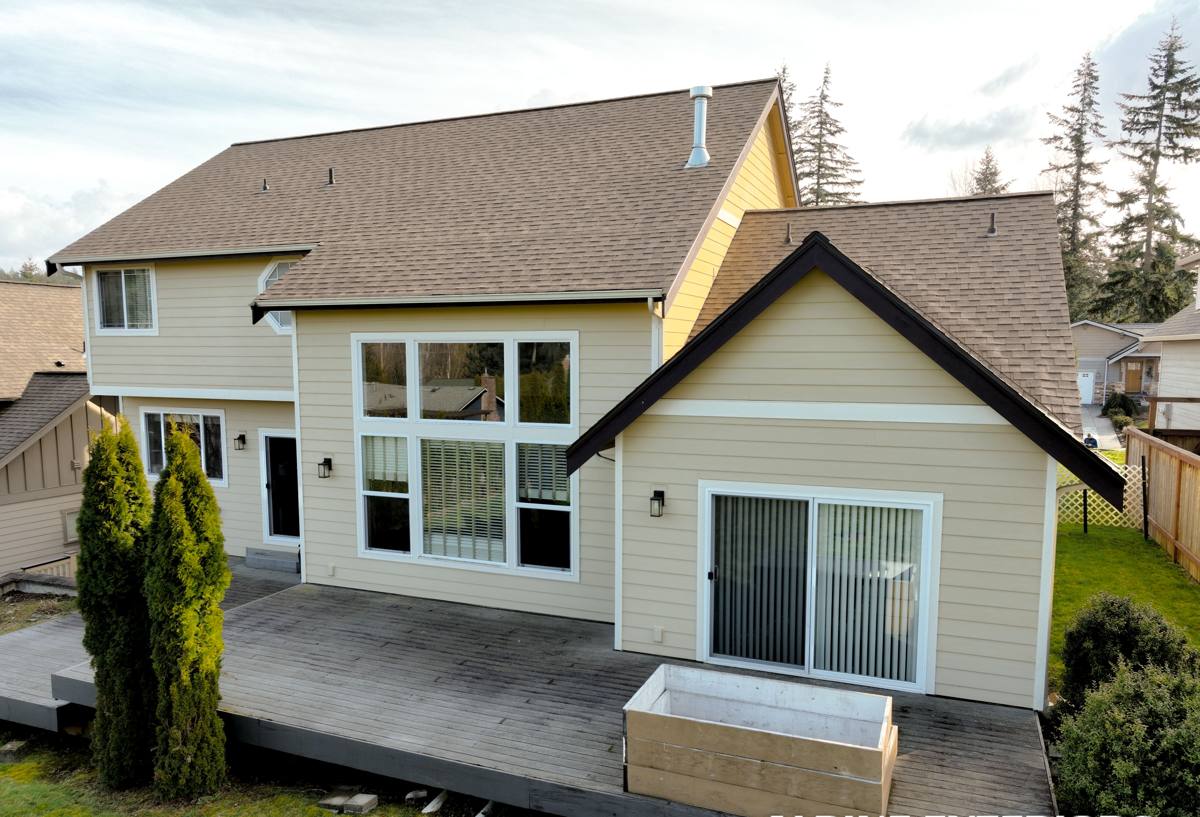
Deming sits back in the trees along the Nooksack River, and that setting shapes what a roof has to deal with. Heavy shade from surrounding timber keeps roof surfaces damp long after a storm passes. Add in the driving rain that moves through Whatcom County for much of the year, plus the moisture-laden marine air that pushes in off the Sound and settles into the river valleys, and you get a climate that is genuinely hard on a roof. Moss doesn't just grow here occasionally — in shaded, low-slope sections of a Deming roof, it can become a near year-round battle if the roofing material and installation details aren't chosen with that in mind.
A roof that would hold up fine on an open, sunny lot in a drier part of the state can struggle in Deming's microclimate. That's the starting point for how we think about metal roofing here: less about the product on a brochure and more about how it performs under a tree canopy, in standing dampness, and through decades of wet-dry cycling.
Why Metal Makes Sense in This Climate
Metal roofing isn't automatically the right answer everywhere, but in a damp, shaded, moss-prone setting like Deming it solves problems that asphalt shingles genuinely struggle with:
- Smooth, hard surfaces resist moss anchoring. Moss and algae need something to grip and organic material to feed on. A metal panel gives moss far less to hold onto than the granulated surface of asphalt shingles.
- Faster drying after rain. Metal sheds water and dries out quicker than a shingle mat, which matters when a section of roof sits in shade most of the day.
- Long service life under repeated wet-dry cycling. Properly installed metal roofing is built to handle decades of Pacific Northwest weather without the granule loss and mat degradation that shortens shingle lifespan in wet climates.
- Better performance in wind-driven rain. Interlocking panel systems, especially standing seam, are designed to resist wind-driven rain finding its way under the surface — a real concern during Whatcom County's winter storm season.
None of that means metal is maintenance-free or immune to moss. It just holds out longer and cleans up easier than most alternatives, which matters a lot when your roof is under trees nine months out of the year.
What a Correct Metal Roof Installation Actually Involves
Metal roofing is unforgiving of shortcuts in a way asphalt sometimes isn't. A poorly installed metal roof can leak, oil-can, or corrode at fasteners years before it should. The details that matter most on a Deming home include:
Underlayment and Moisture Barrier
Given how much dampness this area holds onto, we don't treat underlayment as an afterthought. A synthetic or self-adhered underlayment appropriate for metal (not a generic felt) gives the roof a real second line of defense if wind-driven rain or ice ever gets past the panels.
Fastening and Panel Movement
Metal expands and contracts with temperature swings. Fasteners and clips need to allow for that movement, especially on longer runs, or you end up with oil-canning, popped screws, and eventual leak points at every fastener location.
Flashing at Every Transition
Valleys, chimneys, skylights, and roof-to-wall transitions are where most roof leaks actually start, on metal or anything else. Flashing has to be custom-fit and properly lapped, not just caulked and hoped for.
Ventilation
A well-ventilated attic keeps condensation from forming on the underside of the roof deck. In a climate this damp, poor ventilation can cause moisture problems from the inside that look identical to a leak from the outside.
Comparing Metal Panel Options for a Shaded, Wet Property
Not all metal roofing is the same, and the right choice depends on your roof's pitch, how shaded it is, and your budget. Here's an honest comparison of the main options we discuss with Deming homeowners:
| Panel Type | Upfront Cost | Moss/Algae Resistance | Maintenance | Best For |
|---|---|---|---|---|
| Standing Seam | Higher | Very good — smooth, concealed fasteners, few places for debris to catch | Low — occasional debris and gutter clearing | Shaded roofs, steeper pitches, long-term low-maintenance goals |
| Exposed-Fastener Steel Panels | Moderate | Good, but fastener heads need periodic inspection | Moderate — check and reseal fasteners over time | Outbuildings, budget-conscious projects, simpler roof shapes |
| Stone-Coated Steel | Higher | Fair — textured surface can hold more organic debris than smooth panel | Moderate — needs debris removal from textured surface | Homeowners wanting a shingle or shake look with metal's durability |
For heavily shaded Deming lots, we most often steer homeowners toward standing seam specifically because the smooth surface and concealed fastening give moss the least amount of foothold and the fewest long-term maintenance points.
Problems We Commonly Find on Roofs in This Area
When we're called out to inspect an existing roof in Deming, a handful of issues show up again and again:
- Moss buildup in shaded valleys and north-facing slopes that traps moisture against the roofing material long-term.
- Rust or staining starting at exposed fastener heads on older exposed-fastener panel roofs where the neoprene washers have hardened and cracked with age.
- Undersized or clogged gutters that let water back up under the drip edge during heavy rain events.
- Flashing that was caulked instead of properly lapped at chimneys and roof-to-wall junctions, which fails quietly over several seasons.
- Inadequate attic ventilation leading to condensation staining that homeowners mistake for a roof leak.
Most of these are preventable with correct installation up front, and several are things we can catch and correct on an existing roof before they turn into a bigger repair.
How Our Process Works
We keep the process straightforward and try not to waste your time with runaround:
- On-site assessment. We look at your existing roof's condition, pitch, shading, and any problem areas — not just measure square footage from a satellite photo.
- Honest recommendation. We'll tell you if metal is the right fit for your roof and budget, and which panel type makes sense given how shaded or exposed your property is.
- Clear, written estimate. Materials, labor, tear-off if needed, and flashing/ventilation work are spelled out — no vague allowances.
- Scheduled installation. We plan around weather windows, since a metal roof going down in a dry stretch installs cleaner and safer than one rushed between storms.
- Final walk-through. We go over the finished roof, flashing details, and any maintenance points specific to your property before we consider the job done.
What Homeowners Should Do to Protect a Metal Roof Here
Even the best metal roof benefits from a bit of homeowner attention in a climate like this. A simple seasonal checklist goes a long way:
- Clear overhanging branches back from the roofline to reduce shade, debris, and moss spore contact.
- Check and clean gutters at least twice a year, more often if you're under heavy tree cover.
- Look for moss or algae buildup after the wet season and address it early with a gentle, roof-safe cleaning approach rather than pressure washing, which can damage panel finishes and seams.
- Have flashing and fastener points inspected every few years, especially after major windstorms.
- Keep attic ventilation paths (soffit and ridge vents) clear of insulation or debris blockage.
Why It Matters to Hire a Crew That Already Works in Deming
Roofing crews unfamiliar with this specific pocket of Whatcom County often underestimate how much shade, moisture, and moss pressure a Deming roof actually deals with compared to more open, sun-exposed lots elsewhere in the county. That shows up in small but important decisions — which panel finish to recommend, how much ventilation to build in, how aggressive to be about flashing details in valleys that rarely see direct sun.
It also shows up in the practical side of the job: navigating tree-lined driveways and rural access, working around septic systems and wells that aren't always where a site plan suggests, and understanding local permitting expectations for this area. A crew that has already done roofs in and around Deming isn't guessing at any of this — they've seen how the local climate actually treats a roof over time, not just how it's supposed to perform on paper.
Get a Straightforward Estimate
If you're weighing a metal roof for a home in Deming, we're glad to come take a look and give you a straight answer on what your roof needs, what it would cost, and whether metal is genuinely the right fit for your situation. There's no pressure and no obligation — just use the form below to request a free estimate.