 Lynden Window
 Storm Damage Roof Repair for Maple Falls Homes
Maple Falls sits up against the foothills of Mount Baker, east of Lynden, where the roads narrow, the tree canopy thickens, and the weather behaves differently than it does down in the valley. Homes here take a different kind of beating than a house in town. Wind funnels through the timber and drops branches without warning. Rain sits under heavy conifer cover longer than it does in open areas, which means roofs stay wet longer after every storm. If you own a home in or around Maple Falls and you've just been through a windstorm, an ice event, or a stretch of relentless Pacific rain, this page walks through what storm damage actually looks like up here, what a correct repair involves, and why hiring a crew that already knows this stretch of Whatcom County matters more than it would somewhere flatter and drier.
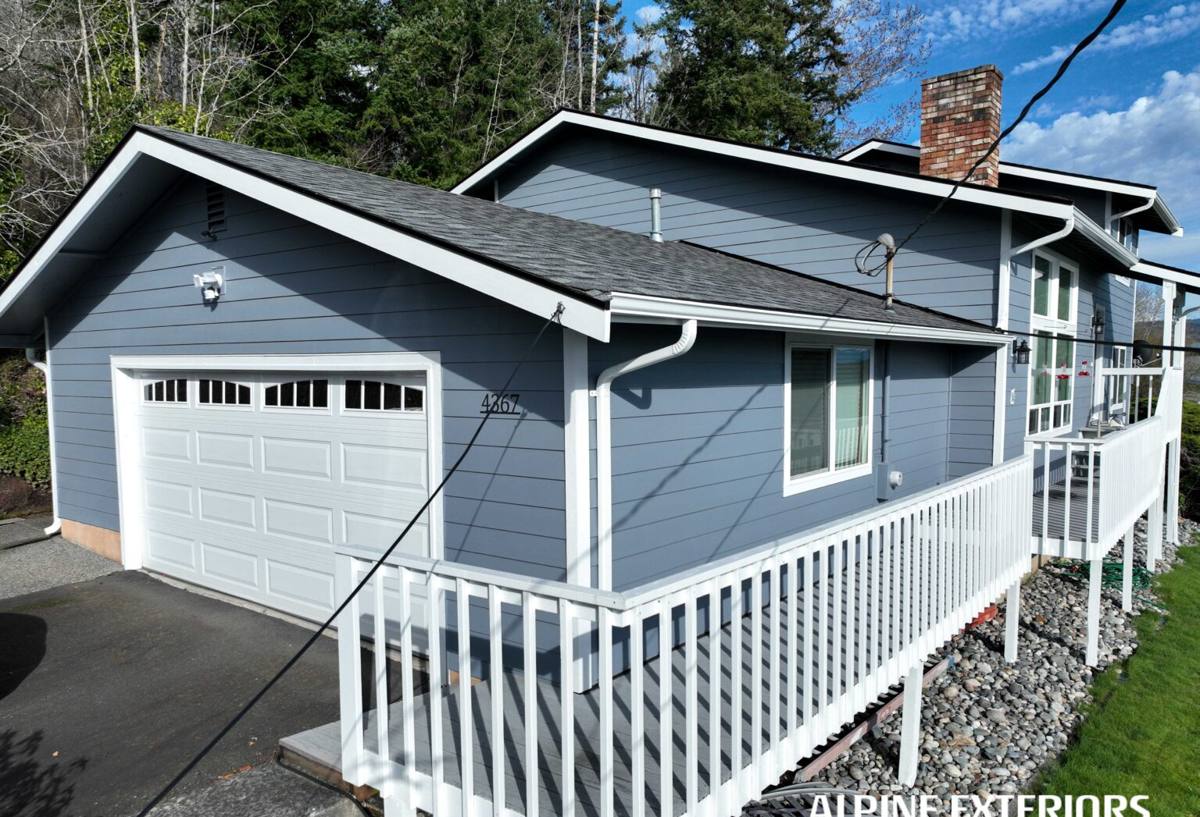
Why Storms Hit Maple Falls Roofs Differently
Whatcom County as a whole deals with driving rain off the water and a moss season that can run most of the year, but Maple Falls adds elevation and forest exposure into the mix. That combination shows up on roofs in a few specific ways.
Falling Debris From Mature Timber
Big-leaf maple, cedar, and fir surround a lot of properties out here, and a good windstorm will drop limbs, whole branches, or occasionally a full tree onto a roof. Even smaller debris hitting shingles or metal panels at speed can crack, puncture, or dislodge material in ways that aren't always obvious from the ground.
Shade, Moisture, and Moss
Tree cover keeps roofs shaded and damp far longer after a storm than an open rooftop in town would stay wet. That extended dampness is exactly what moss and moss-related decay need to get established, and once moss works into a roof's surface it holds water against the shingles or shakes, which accelerates rot and granule loss. A storm-damaged roof with existing moss cover is at higher risk of leaking because the moss has already been compromising the surface underneath.
Wind Funneling and Uplift
Wind moving through a forested valley doesn't behave like open-country wind. It gusts unpredictably and can catch roof edges, ridge caps, and any already-loose material at odd angles, which is often how storm damage starts as something small and turns into a lifted section or a full blow-off.
Rain Volume and Duration
Pacific storm systems that move through Whatcom County can dump sustained rain for days, and that volume finds every weak point in a roof system faster than an isolated downpour would. A small storm-caused gap that might go unnoticed on a dry roof becomes an active leak once a multi-day rain event sets in.
What Storm Damage Actually Looks Like
Not all storm damage announces itself with an obvious hole. Some of it is subtle enough that homeowners live with a slow leak for weeks before they connect it to a specific storm.
- Missing, cracked, or curled shingles, especially near ridges, edges, and valleys where wind uplift concentrates
- Dented or creased metal roofing or flashing from impact debris
- Granule loss showing up as grit in gutters or downspouts after a storm
- Bent, torn, or separated flashing around chimneys, vents, and skylights
- Broken or clogged gutters from branch strikes, causing water to back up under the roof edge
- Water stains on interior ceilings or in the attic that appeared after a specific weather event
- Punctures or soft spots from direct branch impact
- New or worsening moss growth in areas where the surface has been disturbed
Assessing Damage the Right Way
A storm damage assessment isn't just a walk-around from the driveway. Damage that matters is often on the back slope, tucked under a valley, or hidden beneath moss and debris that hasn't been cleared yet.
What a Thorough Inspection Covers
- A physical roof walk, not just a ground-level or drone look, so soft spots and lifted material can be felt underfoot as well as seen
- Close inspection of every penetration point: chimneys, plumbing vents, skylights, and any roof-to-wall transitions
- Gutter and downspout check for granule buildup, which tells us how much surface wear happened during the storm
- Attic inspection from the inside for water intrusion, staining, or daylight coming through where it shouldn't
- Documentation of existing wear versus new storm damage, since insurance adjusters and homeowners both need that distinction clear
That last point matters more than people expect. A roof that already had moss buildup or aging shingles before the storm will show a mix of old wear and new damage, and separating the two honestly is part of doing this job right — both for the repair plan and for any insurance conversation.
Repair Versus Replacement: How We Decide
Storm damage doesn't automatically mean a new roof. Most storm calls we get end in a targeted repair. The decision comes down to a few honest factors.
| Factor | Leans Toward Repair | Leans Toward Replacement |
|---|---|---|
| Extent of damage | Isolated to one section or a few penetrations | Widespread across multiple slopes |
| Roof age | Well within expected service life | Already near or past typical lifespan |
| Underlying condition | Deck and structure sound underneath | Soft decking, rot, or prior water damage found during repair |
| Moss and moisture history | Minimal prior moss or maintenance issues | Long-term moss damage already compromising the surface |
| Material match | Matching shingles or panels still available | Discontinued material forcing a mismatched patch |
We'll always tell you plainly which side of that table your roof falls on, including when a repair is the right call even if a bigger job would be more profitable for us. A patch that's done correctly on a sound roof will hold up fine through the next storm season.
How a Correct Storm Repair Is Done
Storm repairs get done badly more often than any other roofing work, usually because someone is in a hurry to stop an active leak and skips steps that matter for the long term. Here's what a repair should actually include.
Stabilize First
If there's an active leak or exposed decking, the first priority is a secure temporary cover to stop water intrusion while the full repair is planned and materials are sourced. This isn't the final fix, but it needs to be done tightly enough to hold through more Whatcom County rain.
Remove and Inspect
Damaged material comes off down to the decking so we can see what's actually underneath. Debris impacts and prolonged moisture from moss or standing water can soften decking in ways that aren't visible until the surface layer is pulled back.
Repair the Structure Before the Surface
Any soft or compromised decking gets replaced before new roofing material goes down. Skipping this step is the single most common reason storm repairs fail early — new shingles or panels over a weak deck won't hold.
Match Materials and Flashing Properly
Flashing around chimneys, vents, and valleys is where storm leaks most often originate and re-originate if it's rushed. We rebuild flashing to shed water correctly rather than just caulking over a gap, which is a common shortcut that fails within a season or two.
Clear and Treat Moss While We're Up There
Since a lot of Maple Falls roofs already carry some moss load from the tree cover, a storm repair is a practical time to clear existing growth and treat the surface, so we're not leaving a moisture problem sitting next to a fresh repair.
Final Check for Secondary Damage
Gutters, downspouts, and drip edges get checked and cleared, since a repaired roof surface draining into a clogged or damaged gutter system will just create a new water problem at the eaves.
Why Local Experience Matters for This Job
A roofing crew that mostly works flatter, more open parts of the county will approach a Maple Falls storm call the same way they'd approach any other roof, and that's where mismatches happen. Knowing that a shaded, tree-covered roof holds moisture longer changes how a repair is sequenced and how much attention moss gets during the same visit. Knowing how wind moves through this particular terrain changes where we look first for uplift damage, even before a homeowner has spotted it themselves. Knowing that a driving Pacific storm can dump rain for days straight, not hours, changes how confident we need to be in a temporary cover before we leave a job site. None of that is complicated, but it only comes from working this specific area regularly rather than treating every storm call the same way.
What to Do Right After a Storm
Before a crew even arrives, there are a few things worth doing if it's safe to do so.
- Note the date and general nature of the storm event for your own records and any insurance claim
- Photograph visible exterior damage from the ground if it's safe, without climbing onto the roof yourself
- Check the attic and ceilings for early signs of water intrusion, since interior staining often shows up before an exterior leak is obvious
- Clear gutters of debris if it's easily reachable, since clogged gutters make any existing roof damage worse during the next rain
- Avoid walking on a roof you suspect is damaged — soft decking underneath can give way
A Straightforward Process From Call to Completion
When you reach out after storm damage, the process is simple. We schedule a full roof inspection, walk you through exactly what we find with photos and plain explanations, and give you an honest repair-versus-replace recommendation with a real cost range. If it's an insurance claim, we document the damage in a way that's useful for your adjuster. Once you approve the work, we schedule it around the weather rather than rushing a fix into the next incoming system, unless there's an active leak that needs immediate stabilization.
If a recent storm has left you with damage, missing shingles, or a leak you can't quite locate, we're happy to come take a look. Reach out for a free, no-pressure estimate — the form below gets you on our schedule with no obligation.