 Lynden Window
 Siding Replacement Built for Ferndale's Coastal-Edge Climate
Ferndale sits close enough to the Strait of Georgia and Bellingham Bay that homes here deal with a different mix of weather stress than siding twenty miles inland in Lynden proper. You get salt-laden air rolling in off the water, driving rain that comes in sideways during winter storms, and a moss season that can run eight months out of the year on north- and west-facing walls. Siding that isn't built for that combination breaks down faster than homeowners expect, and it usually shows up first as soft spots, peeling paint, or dark streaking long before anyone notices a structural problem underneath.
When we replace siding in Ferndale, we're not just swapping old boards for new ones. We're addressing the specific ways Whatcom County's marine climate attacks a wall system, and we're installing a product that's engineered to hold up to it.
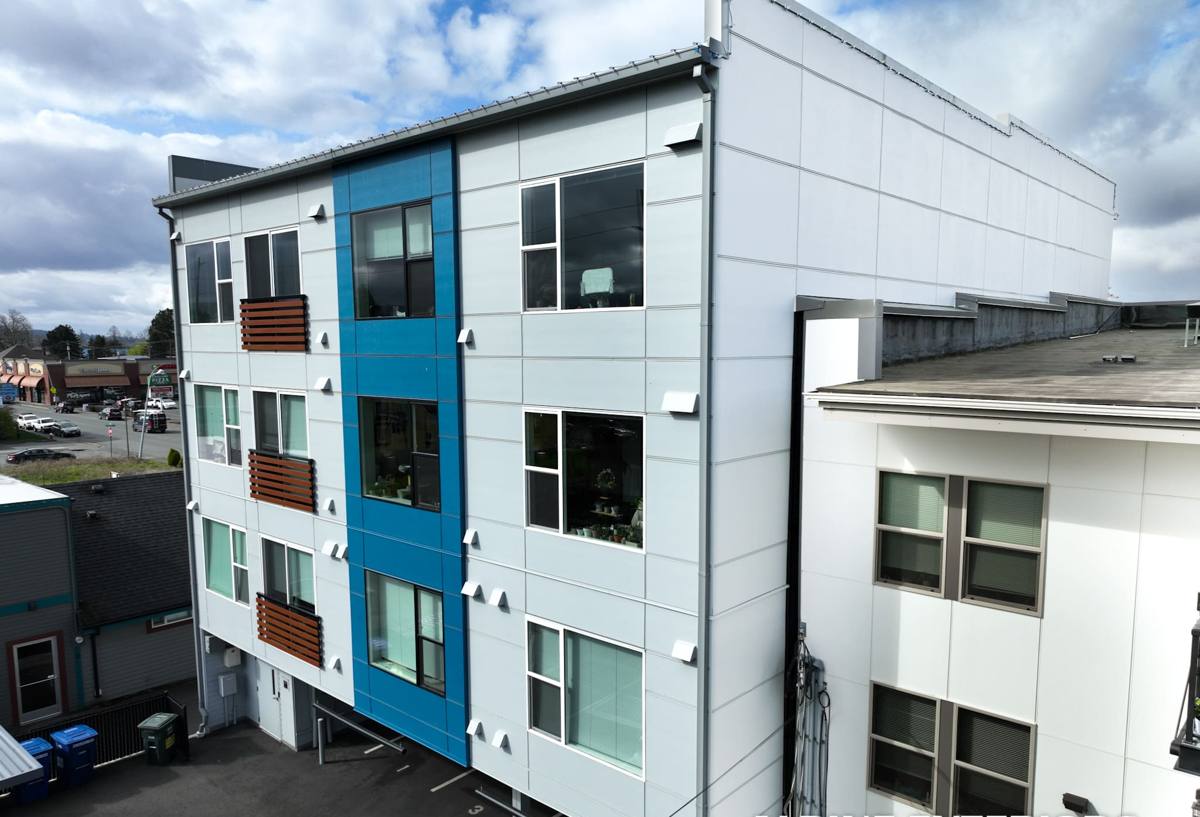
Why Ferndale Homes Wear Out Siding Faster
Salt Air
Airborne salt is corrosive to metal fasteners, flashing, and trim, and it accelerates the breakdown of lower-grade siding materials. It also holds moisture against a wall surface longer than dry inland air would, which matters a lot once you're talking about wood-based or wood-composite siding products that can swell or rot when they stay damp.
Driving Rain
Storms coming off the water don't just fall straight down — they push rain horizontally into wall surfaces, particularly on the west and northwest sides of a house. That means water finds every gap in caulking, every under-lapped seam, and every improperly flashed window or door opening. A siding job that looks fine on a dry day can still be letting water behind the cladding during a January storm.
Moss and Sustained Dampness
Ferndale's tree cover, cloud cover, and coastal humidity add up to long stretches where north-facing walls simply don't dry out between rain events. Moss and algae take hold on surfaces that stay damp, and on porous or absorbent siding materials that dampness doesn't stay on the surface — it works its way in.
What Correct Siding Replacement Involves
Replacing siding the right way is a weather-barrier project first and a cosmetic project second. The visible boards matter, but what's underneath them is what actually determines whether a Ferndale home stays dry for the next 30-plus years.
- Full removal of old siding and trim, with the sheathing inspected for hidden rot, soft spots, or water staining before anything new goes up
- Repair or replacement of any damaged sheathing found during tear-off — this is common on older Ferndale homes near the coast and should never be skipped or covered over
- Installation of a code-compliant weather-resistive barrier, lapped correctly from bottom to top so water sheds outward
- Proper flashing at every window, door, and roof-to-wall intersection, since these are the spots where driving rain most often finds a way in
- Rainscreen or drainage gap detailing where appropriate, giving moisture a path to escape instead of sitting against the back of the siding
- Correct fastener spacing, type, and embedment per manufacturer specification — under-driven or over-driven nails are one of the most common causes of early siding failure
- Factory-finished siding installed with the manufacturer's specified caulking and touch-up process at cut ends and joints
Skipping any one of these steps doesn't usually cause an immediate problem. It causes a problem in five or ten years, after the crew that did the shortcut version is long gone.
Why We Only Install James Hardie Fiber Cement
We've made a standing decision not to install vinyl siding, LP SmartSide, primed spruce, cedar, or other fiber cement brands like Cemplank or Allura. That's not a marketing line — it's a professional standard we hold to on every job, including here in Ferndale where the climate leaves little room for a product that underperforms.
Why We Passed on the Alternatives
| Material | What it gets right | Why it's a tougher fit for this climate |
|---|---|---|
| Vinyl siding | Low upfront cost, no painting required | Can warp or crack in temperature swings; seams and J-channels give wind-driven rain more entry points; doesn't hold up to impact as well over time |
| LP SmartSide (wood strand) | Easier to install, engineered wood is more stable than solid lumber | Wood-based core is more moisture-sensitive than fiber cement; edge sealing and maintenance schedule matter a lot in a wet, salty climate |
| Primed spruce / cedar | Natural look, traditional material | Solid wood is the most maintenance-intensive option — repainting, caulking, and moisture monitoring are ongoing, and coastal moisture shortens the cycle |
| Other fiber cement (Cemplank, Allura) | Same basic fiber cement performance category as Hardie | Factory finish warranty, color-match consistency, and manufacturer support network aren't the same — Hardie's ColorPlus system and HZ5 engineering are specifically built for climates like this one |
Every one of those products has a legitimate use somewhere. We just don't think any of them are the right call for a Ferndale roof line facing salt air and eight months of damp weather a year, and we'd rather be straightforward about that than install something we don't stand behind.
What James Hardie Brings to a Ferndale Home
James Hardie fiber cement is non-combustible, dimensionally stable, and resistant to moisture-driven swelling and rot in a way that wood-based products aren't. The HZ5 product line is engineered specifically for climates with sustained moisture exposure — which describes Whatcom County about as well as any region in the country. The ColorPlus factory finish is baked on under controlled conditions, so it resists fading and chipping better than field-applied paint, and it comes with its own finish warranty separate from the substrate warranty. For a homeowner, that means fewer repaint cycles and a color that stays consistent even as salt air and UV exposure work on it year after year.
Our Process for a Ferndale Siding Replacement
- On-site assessment. We look at your home's exposure — which walls take the worst of the weather, where moss and moisture are already showing, and what condition the sheathing is likely in.
- Honest scope and estimate. We tell you what needs to happen, including any sheathing repair we expect to find, before work starts — not as a change-order surprise mid-project.
- Tear-off and inspection. Old siding and trim come off, and we inspect everything underneath before covering it back up.
- Weather barrier and flashing. This is the step that actually keeps water out, and it's the one that's easiest to shortcut and hardest to verify after the fact — we don't shortcut it.
- James Hardie installation. Installed to manufacturer spec, including fastener pattern, gapping, and joint treatment.
- Final walkthrough. We go over the finished work with you before calling the job done.
Why Hiring a Crew That Already Works Ferndale Matters
Siding installation instructions read the same everywhere in the country, but the judgment calls a crew makes on site don't. Knowing which walls in Ferndale take the worst of the weather, how much drainage detailing to build in on a west-facing elevation, and what moss and moisture patterns look like on this specific stretch of coastline is the kind of knowledge that comes from doing the work here repeatedly — not from a manufacturer's install manual alone. A crew unfamiliar with this climate can still install siding that looks correct and still under-detail the flashing or drainage plane in ways that only show up after a few wet winters.
Signs Your Ferndale Home May Need Siding Replacement Soon
- Soft or spongy spots when you press on the siding, especially near the bottom courses or around windows
- Paint that's peeling or bubbling in a pattern that follows seams or panel joints
- Persistent moss or algae growth that comes back within weeks of cleaning
- Visible gaps, warping, or buckling in panels, especially after a windy storm season
- Rising energy bills that suggest the wall assembly isn't sealing the way it used to
- Siding that's original to a home built more than 20-25 years ago, particularly on the north or west elevations
None of these on their own means you need a full replacement tomorrow, but they're worth having looked at before they turn into a sheathing repair.
What Affects the Cost of a Siding Replacement
| Factor | Why it matters |
|---|---|
| Home size and number of stories | More surface area and access complexity (scaffolding, lift equipment) add labor time |
| Condition of existing sheathing | Hidden rot found during tear-off adds repair scope that's impossible to quote sight-unseen |
| Siding profile and trim complexity | Lap siding, shingle-style panels, and custom trim details vary in material and labor cost |
| Number of windows, doors, and roof intersections | Each one needs individual flashing work — more openings mean more detail work |
| Color and finish selection | ColorPlus factory finishes vary slightly by line and color depth |
We'll never give you a real number without seeing the house, but those are the variables that move the price up or down.
If your Ferndale home is due for new siding, or you're just noticing early signs of wear from the salt air and rain, we're happy to take a look and give you a straightforward, no-pressure estimate — fill out the form below to get started.