 Lynden Window
 Why Everson Decks Wear Out Faster Than the Brochure Promises
Everson sits in a part of Whatcom County where the weather doesn't do decks any favors. Long stretches of driving rain soak into every seam and fastener hole a deck has, moss gets a running start every fall and doesn't let go until late spring, and the damp marine-influenced air that moves through the county keeps wood and hardware from ever really drying out between storms. A deck that would last two or three decades in a drier climate can start showing real structural problems in half that time here if it wasn't built or maintained with that reality in mind.
Most of what we see on Everson service calls isn't dramatic. It's slow, unglamorous decay: a ledger board that's been quietly absorbing water for years, joist hangers rusting from the inside out, decking boards that look fine on top but are soft underneath. By the time it's visible, it's usually been developing for a while.
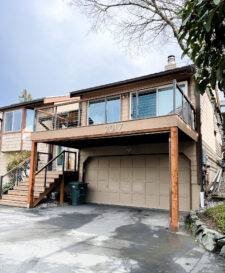
What Salt Air, Rain, and Moss Actually Do to a Deck
Moisture Intrusion
Water doesn't need much of an opening. It works into fastener holes, gaps between boards, and anywhere a deck meets the house. Once it's inside the wood fiber or under a composite board's surface, it stays there far longer than most homeowners expect, especially through a Whatcom County winter with short drying windows between rain events.
Moss and Organic Growth
Moss isn't just a cosmetic problem. It holds moisture directly against the deck surface and in the gaps between boards, which speeds up rot underneath and makes the walking surface slick and unsafe. A deck with a heavy moss season every year is under more sustained moisture stress than the rain totals alone would suggest.
Salt-Tinged Air and Metal Hardware
The lightly salt-tinged marine air common to this part of Washington accelerates corrosion on fasteners, joist hangers, and railing hardware. Corroded hardware is one of the more serious issues we find, because it's structural and it's hidden until it fails.
Signs Your Everson Deck Needs Repair
- Soft, spongy, or springy spots when you walk across the decking
- Boards that stay damp or dark long after the rest of the deck has dried
- Visible moss or algae buildup between boards or along the north-facing side
- Rust streaks below joist hangers, bolts, or screw heads
- A railing that flexes or wiggles when you lean on it
- Gaps opening up around the ledger board where the deck meets the house
- Fasteners backing out or heads that have sheared off
- A musty smell coming from underneath the deck
Any one of these on its own might be minor. Several at once, or anything involving the ledger board or main support posts, is worth a professional look before it gets worse.
What a Correct Deck Repair Actually Involves
A lot of deck "repairs" amount to replacing a few visibly bad boards and calling it done. That fixes the symptom but not necessarily the cause, and on a deck that's already dealing with Whatcom County's moisture load, that approach tends to mean the same failure shows up again a season or two later somewhere else.
Structural Inspection First
Before we touch a board, we check the framing that holds the whole thing up: the ledger board connection to the house, the joists, the support posts and footings, and every joist hanger and structural fastener we can access. This is where the deck's real integrity lives, even though it's the part homeowners see the least.
Fixing the Cause, Not Just the Symptom
If a section of decking failed because water was pooling there, replacing the boards without addressing drainage or flashing just resets the clock. Proper repair means figuring out why that section failed and correcting it, whether that's re-sloping for drainage, adding flashing at the ledger, or swapping corroded hardware for corrosion-resistant fasteners rated for exterior and coastal-influenced use.
Matching Materials and Fasteners
Mixing incompatible metals or fastener types on a deck can actually accelerate corrosion through galvanic reaction. We use fasteners and hardware rated for outdoor exposure and matched to the decking material, not just whatever's on hand.
Railings and Guards
Railings take constant load and constant weather exposure, and they're a safety item, not just an appearance item. If a railing post has any rot at the base or the connection has loosened, it gets rebuilt properly rather than just tightened.
Our Deck Repair Process
- Inspection and diagnosis. We walk the full deck, check the framing and connections underneath where accessible, and identify both the visible damage and the underlying cause.
- Honest scope. We tell you what's actually needed: targeted repair, a larger structural fix, or in some cases that replacement makes more sense than continuing to patch an aging deck.
- Repair. We replace failed boards, framing members, and hardware with materials suited to this climate, and correct any drainage or flashing issue that contributed to the damage.
- Protection. Depending on the material, that can mean sealing or staining exposed wood, or simply making sure the repaired area sheds water and moss the way the rest of the deck should.
- Walkthrough. We show you what was fixed and why, and flag anything else worth watching so it doesn't turn into next year's repair call.
Repair or Replace? Cost Factors to Weigh
| Factor | Leans Toward Repair | Leans Toward Replacement |
|---|---|---|
| Framing condition | Ledger, joists, and posts are sound | Rot or corrosion found in multiple structural members |
| Age of deck | Under 15-20 years, built to a reasonable standard | Original construction quality was poor or deck is very old |
| Extent of damage | Isolated boards or a single area | Damage spread across most of the deck surface |
| Railing safety | Railing is sound, minor cosmetic wear | Railing posts are loose or rotted at the base |
| Upfront cost | Lower cost, addresses the immediate problem | Higher upfront cost, resets the clock on the whole deck |
| Long-term value | Reasonable if the rest of the deck has life left | Often better value if repair costs start approaching a large share of replacement |
There's no universal answer here. A deck with one bad section and solid bones is usually a repair. A deck where every inspection turns up another problem area is telling you something, and we'll say so plainly rather than stringing repairs along.
Wood, Composite, and What Holds Up Around Everson
We repair both wood and composite decking, and each has different moisture behavior worth understanding.
Wood decking is repairable board by board, which is often more economical for isolated damage, but it needs regular sealing or staining to keep moisture out, and that maintenance matters more here than in a drier climate. Skipped maintenance is the most common reason we see wood decks fail early.
Composite decking resists rot in the traditional sense, but it isn't maintenance-free. Moss and algae still grow on its surface in a climate like ours, and some composite products are more prone to trapping moisture at the substructure or fastening points than homeowners expect. When we work on composite decking, we pay close attention to how the framing underneath is holding up, since that's still typically wood and still subject to the same moisture risks.
We'll give you a straight assessment of what your existing material needs rather than pushing a product swap you don't need.
A Practical Maintenance Checklist for Whatcom County Decks
- Clear moss and debris from between boards at least once, ideally twice, a year
- Check for standing water or slow drainage after a heavy rain
- Look underneath the deck periodically for damp framing, rust, or a musty smell
- Test railings by hand for flex or looseness, especially before hosting a gathering
- Reseal or restain wood decking on the schedule the product calls for, not just when it looks faded
- Keep gutters and downspouts near the deck clear so runoff isn't draining onto it
- Address small soft spots or loose fasteners promptly rather than waiting for them to spread
Why Hire a Crew That Already Works in Everson
Deck problems in this part of Whatcom County follow patterns. A crew that regularly works Everson and the surrounding Lynden area already knows where moss tends to build up fastest, which framing details typically show wear first in this climate, and what materials and fastener choices actually hold up here versus what looks good on paper. That familiarity means less time spent diagnosing the obvious and more time addressing what's actually going on with your deck.
It also means we're not guessing about local conditions when we recommend a repair approach, a sealant schedule, or whether a section needs replacing rather than patching. We'd rather give you an honest, climate-informed answer than the fastest sale.
Get an Honest Look at Your Deck
If your deck has soft spots, stubborn moss, a wobbly railing, or you're just not sure what shape it's really in underneath, we're happy to take a look. Estimates are free, there's no pressure, and you'll get a straight answer about what your deck actually needs. Use the form below to get in touch.