 Lynden Window
 Building Decks for Everson's Wet, Salty Climate
Everson sits along the Nooksack River just east of Lynden, in a part of Whatcom County where the weather does not do a deck any favors. Winters bring long stretches of driving rain, spring runoff keeps humidity high well into summer, and a marine air influence pushes salt-laden moisture inland from the Sound more than most homeowners realize. Add in the shade from mature trees along the river corridor and you have a near-perfect recipe for moss, algae, and slow wood rot. A deck built here has to be designed for that reality from day one, not patched for it later.
We build and repair decks throughout the Lynden and Everson area, and the same climate factors show up on almost every job: standing moisture at ground level, moss creeping across shaded boards by the second winter, and fasteners that were never rated for this kind of exposure starting to bleed rust into the decking within a few years. None of that is inevitable. It is a materials and design problem, and it has known solutions.
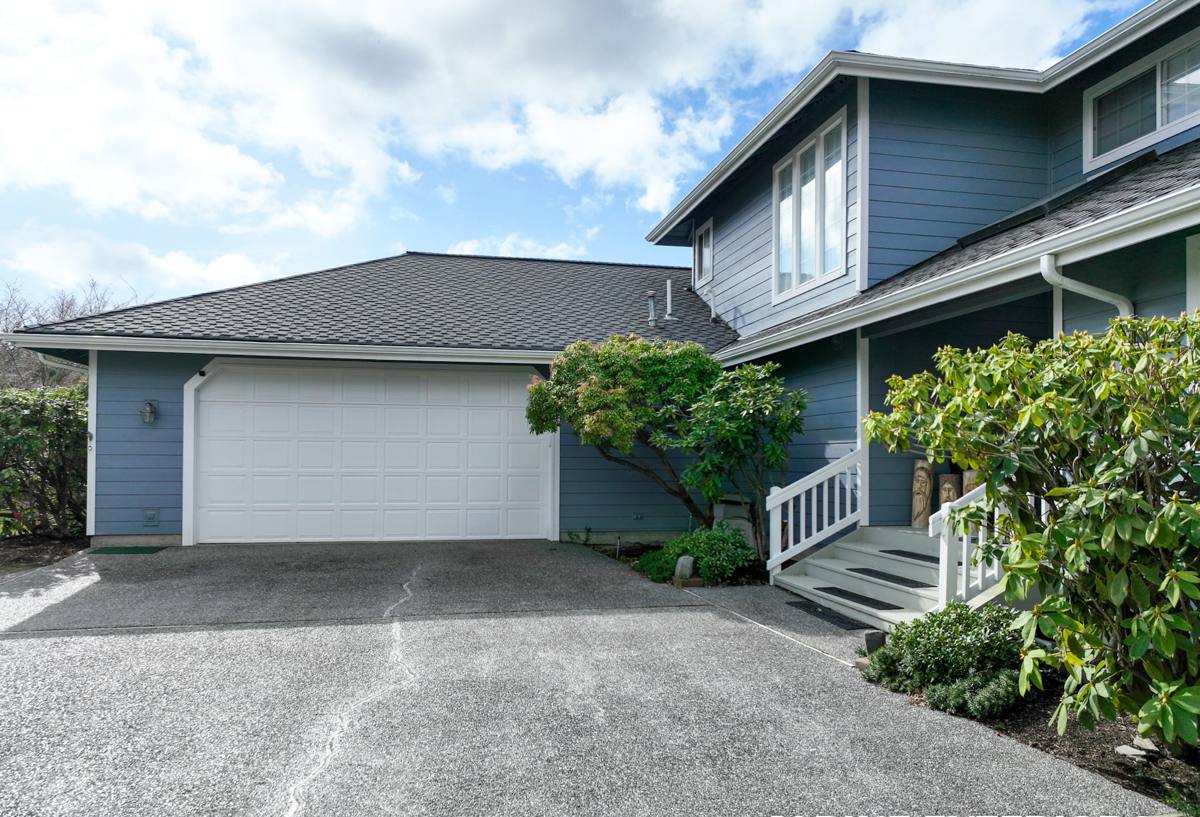
What Everson Homes Need From a Deck
Every deck we design starts with the site, not a catalog. In Everson and the surrounding county, that means paying attention to a handful of conditions that vary from lot to lot but consistently affect how long a deck lasts.
Drainage and Grade
Low-lying and river-adjacent lots in this area often have slow-draining clay or silty soil underneath. If a deck's footings and ground clearance don't account for that, water sits under the structure through the wet months, which is exactly the environment that rots joists and rusts hardware from below where nobody sees it until it's a real problem.
Sun, Shade, and Airflow
A deck tucked under trees or on the north side of a house dries out slower after every rain. That's not a reason to avoid those locations, but it does change the material and gap-spacing decisions we make, since a shaded deck needs more help staying dry than one that gets full afternoon sun.
Wind and Salt Exposure
Whatcom County isn't oceanfront, but the marine air that moves through the lowlands still carries enough salt to accelerate corrosion on fasteners, railing hardware, and any exposed metal connectors. Over a decade, that difference shows up as rust streaks and weakened joints on decks built with standard hardware instead of coated or stainless fasteners.
Choosing Materials That Actually Hold Up Here
There is no single "best" decking material — there's a best material for a given budget, sun exposure, and maintenance appetite. Here's how the common options compare for this climate specifically.
| Material | Upfront Cost | Maintenance in This Climate | Typical Lifespan | Notes |
|---|---|---|---|---|
| Pressure-treated pine | Lowest | Annual cleaning and re-sealing to prevent moss and checking | 10–15 years | Budget-friendly but needs the most upkeep in shaded, damp spots |
| Cedar | Moderate | Periodic sealing; naturally moisture- and insect-resistant | 15–20 years | Good look, but softens over time if drainage underneath is poor |
| Composite (capped) | Higher | Occasional washing to keep moss and pollen film off | 25–30+ years | Best resistance to moisture and moss; won't splinter or gray |
| PVC | Highest | Low; wipes clean, doesn't absorb water | 30+ years | Most consistent performance in constant shade or heavy rain zones |
For fully shaded lots near the river or under tree cover, we lean homeowners toward composite or PVC even though the upfront cost is higher, simply because the maintenance gap versus wood is largest exactly where moss and moisture are worst. For sunnier, more exposed lots, a well-sealed cedar deck can perform well for a fraction of the cost.
Getting the Foundation and Framing Right
Most deck failures we get called out to repair started underneath, not on the surface. The framing and footings are the part nobody sees once the deck is finished, which is exactly why they matter most.
- Footings poured below the local frost line, sized to the actual soil conditions on your lot rather than a generic minimum
- Ledger board attachment properly flashed where the deck meets the house, since this is the single most common source of hidden rot on older decks
- Joists spaced correctly for the decking material chosen — composite and PVC often need tighter spacing than lumber to prevent bounce and long-term sag
- Stainless steel or heavy hot-dip galvanized fasteners and hardware throughout, given the marine-influenced air in this part of the county
- A consistent slight slope away from the house so water sheds instead of pooling against the foundation
None of this is visible in the finished product, but it's the difference between a deck that's solid in year fifteen and one that needs structural repair by year eight.
Designing Against Moss, Mold, and Standing Moisture
Moss doesn't just make a deck look neglected — it holds moisture against the wood surface and accelerates rot underneath it. In a climate with a genuine moss season, design choices matter as much as material choice.
Board Spacing and Airflow
Correct gapping between deck boards lets water drain through rather than sit on the surface. Too tight, and you get standing water and algae film; too wide, and the deck feels unfinished and can be uncomfortable underfoot. We set spacing based on the specific material's expansion behavior, which differs between wood and composite.
Under-Deck Ventilation
On low-clearance or ground-level decks, we make sure there's enough airflow beneath the structure so the underside can actually dry out between rain events. A sealed-in, low-clearance deck with no ventilation is one of the fastest ways to trap moisture and grow rot where you can't see it.
Railing and Post Details
Flat horizontal surfaces on railings and post caps collect standing water and moss faster than sloped or rounded profiles. Small design choices here add years to the finish life of visible components.
Our Process, From Estimate to Finished Deck
We keep the process straightforward and communicate clearly at each step, since the biggest source of frustration on deck projects is usually not knowing what's happening next.
- On-site walkthrough: we look at your lot's drainage, sun exposure, and how the deck will connect to the house before recommending anything.
- Design and material discussion: we lay out realistic options at different price points, with honest tradeoffs for maintenance and lifespan in this climate.
- Written estimate: a clear scope and price before any work begins, no surprise add-ons.
- Permitting: we handle the permit application and inspection scheduling required for the project.
- Site prep and footings: excavation, footing layout, and inspection sign-off before framing starts.
- Framing and decking installation: built to the spacing, flashing, and fastener standards above.
- Railing, stairs, and finish work: completed to code for guardrail height and baluster spacing.
- Final walkthrough: we go over care and maintenance specific to the material you chose before we consider the job done.
Permits and Code Requirements in Whatcom County
Everson properties may fall under Whatcom County jurisdiction or within Everson's own city limits depending on the exact parcel, and permit requirements can differ slightly between the two. A deck of meaningful size or height typically requires a building permit, inspection at the footing stage, and compliance with guardrail and stair code once the deck is above a certain height off the ground. We pull the permit as part of every project so you're not left navigating that process alone, and so the finished deck is documented correctly for resale or insurance purposes down the road.
Deciding Between Repair, Rebuild, and New Construction
Not every aging deck needs to be torn out. Sometimes the framing is sound and only the surface decking or railing needs replacing; other times, hidden rot at the ledger or footings means a rebuild is the safer and more cost-effective path. A quick way to think about it:
| Sign | Likely Fix |
|---|---|
| Surface graying, splintering, or moss on boards, framing feels solid underfoot | Resurface or replace decking only |
| Soft or spongy spots near the house, discoloration at the ledger board | Ledger and framing repair, likely a partial rebuild |
| Visible rust streaking, loose railing posts, structure sways under weight | Full structural rebuild recommended |
| Footings heaving, cracking, or deck pulling away from the house | Full rebuild starting from the footings |
We'll tell you honestly which category your existing deck falls into rather than defaulting to a full rebuild recommendation when a repair would genuinely do the job.
Seasonal Maintenance Checklist for Everson Deck Owners
A well-built deck still needs a little seasonal attention in this climate. This is the routine we recommend regardless of which material you choose:
- Clear leaves and debris from board gaps before fall rains set in, so water can keep draining freely
- Sweep or gently pressure-wash moss and algae off the surface at the start of spring, before it gets a foothold
- Check railing posts and stair connections once a year for movement or loose hardware
- Inspect the ledger board area where the deck meets the house for discoloration or soft wood
- Reseal wood decking every 1–2 years depending on sun exposure; composite and PVC generally just need washing
- Confirm under-deck ventilation gaps aren't blocked by stored items, planters, or built-up debris
Why a Crew That Already Works Everson Matters
A deck built to a generic national spec sheet doesn't necessarily hold up to Whatcom County's specific combination of rain volume, marine air, and shade-heavy lots. Working regularly in Lynden and Everson means we've seen how different materials and details actually perform here over years, not just on paper — which fasteners hold up, which shaded corners need extra drainage attention, and which framing details prevent the callbacks we'd otherwise get in year five or six. That local track record is what shapes the recommendations above; it's not guesswork, it's what consistently works and what consistently doesn't in this specific climate.
If you're planning a new deck or trying to figure out whether an existing one needs repair or replacement, we're happy to come take a look. Reach out for a free, no-pressure estimate using the form below.