 Lynden Window
 Custom Windows Built for Deming's Weather
Deming sits in a part of Whatcom County where the trees close in, the humidity stays high most of the year, and rain doesn't just fall straight down — it drives sideways during a fall or winter storm and finds every gap a window has to offer. Add in salt-laden air moving up from the coast on windy days and a moss season that can stretch from October through April, and you've got a climate that is genuinely hard on window frames, seals, and sills. Custom windows done right in this area aren't about looks first — they're about a frame and installation system that can shed water, resist rot, and keep working year after year without babysitting.
We install custom windows for homeowners throughout Deming and the surrounding rural properties in Lynden's service area, and the approach we use here is shaped by what actually fails on homes out this way, not a generic install checklist.
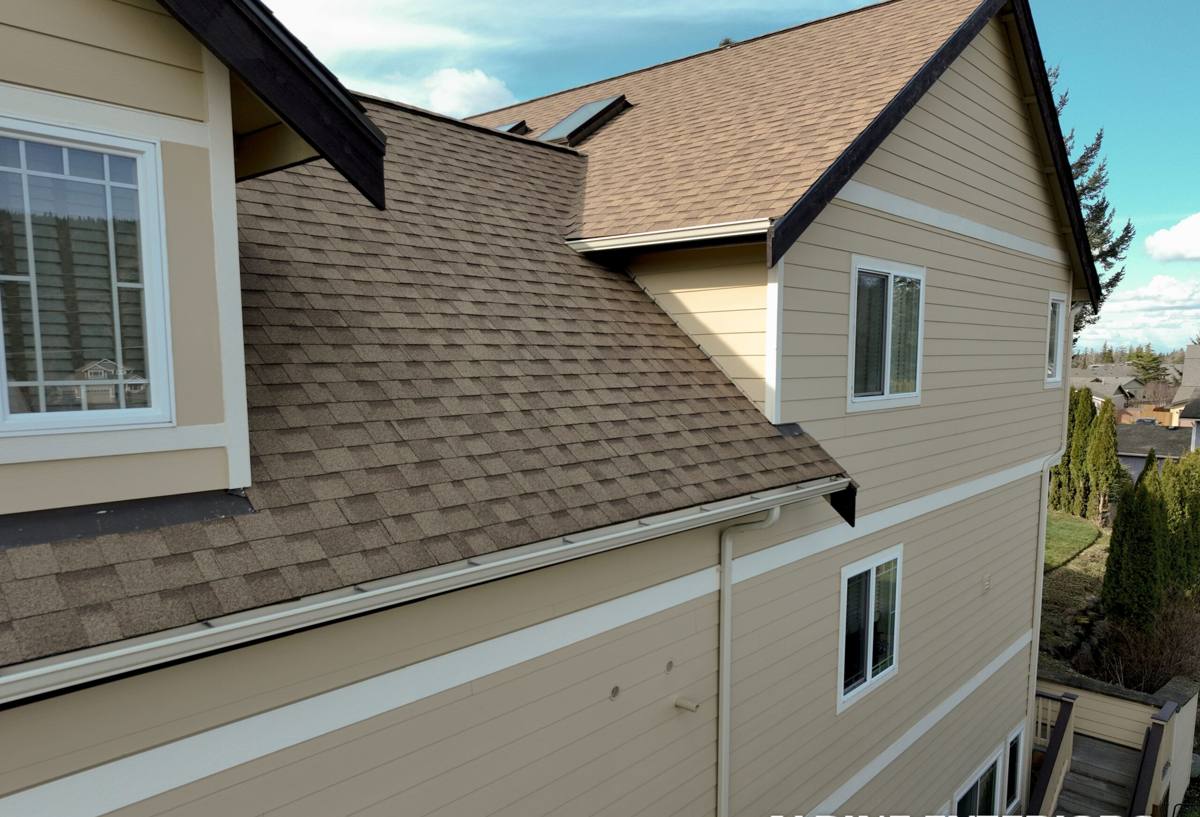
What Deming Homes Actually Need From a Window
Most of the older homes and cabins tucked into this part of the county were built with wood or aluminum windows that were fine for their time but weren't designed for decades of near-constant moisture exposure. When we get called out for a custom window job in Deming, we're usually looking at one or more of these issues:
- Wood frames with soft spots or rot starting at the bottom corners, where water sits longest
- Aluminum frames that sweat and fog on the inside during cold, damp mornings
- Failed seals on older double-pane units, showing as fog or moisture between the glass
- Moss and algae staining building up on north-facing and shaded sills and trim
- Gaps around the frame letting in drafts, noise, or the smell of standing moisture
A custom window replacement in this area needs to solve for two things at once: keep water out during a driving rain, and keep the frame from becoming a place where moisture can sit and cause rot or mold. That second point gets overlooked more than it should.
Why "Custom" Matters More Out Here Than in a Subdivision
Custom fitting matters everywhere, but on the older, often owner-built or additions-heavy homes we see around Deming, stock sizes rarely line up with existing openings. Rough openings shift over the years as a house settles, especially on properties with less consistent foundation work than a newer development. A window that's built to the actual current opening — not just the size on the original plans — is the only way to get a tight, weather-tight seal without shimming and caulking your way around a mismatch.
Choosing Frame Materials for This Climate
We don't push one frame material on every job. What we push is an honest look at how each option holds up to sustained moisture, driving rain, and the moss-friendly shade that a lot of Deming properties have from surrounding trees.
| Frame Type | How It Handles Local Moisture | Maintenance Reality |
|---|---|---|
| Vinyl | Won't rot, doesn't need painting, handles humidity well | Low — occasional cleaning, no refinishing |
| Fiberglass | Very stable in temperature swings and damp conditions, strong seal retention | Low — durable finish, minor cost premium |
| Wood-clad | Good insulation and appearance, but the interior wood still needs protection from interior moisture | Moderate — clad exterior helps, but not maintenance-free |
| Solid wood | Classic look but most vulnerable to rot if seals or paint fail in a wet climate | High — regular repainting/sealing required |
| Aluminum | Weak insulator, prone to condensation and interior sweating in cold, damp mornings | Low physical upkeep, but condensation issues persist |
Our standard recommendation for most Deming homes is vinyl or fiberglass, because they hold up to sustained damp conditions without ongoing upkeep. If a homeowner wants the look of wood, we'll talk through what that commitment actually means for maintenance rather than let appearance decide the job on its own.
What a Correct Installation Involves
The window itself is only part of the job. Most window failures we see in this climate aren't because the unit was bad — they're because the installation didn't account for where water goes once it hits the wall. A correct install includes:
- Removing the old unit down to the rough opening and checking the framing underneath for hidden rot or moisture damage before anything new goes in
- Installing proper flashing that directs water down and out and away from the sheathing, not just caulk over a gap
- Sealing the interior air barrier separately from the exterior water barrier, so the two aren't fighting each other
- Using sill pans on openings where water has historically pooled
- Confirming the unit is level, square, and properly shimmed so the sash operates and seals correctly for years, not just on install day
Skipping any one of these steps is exactly how a brand-new window ends up with the same rot or leak problem five years later. It's also the most common shortcut we find when we're called in to fix someone else's install.
Dealing with What's Behind the Old Window
On older Deming homes especially, we often find some degree of moisture damage in the framing around a failing window before we ever remove it. Part of doing this job correctly is being willing to stop, show the homeowner what's actually there, and address the framing before closing it back up with a new window — not just installing over a problem and hoping it doesn't resurface.
Handling Moss, Algae, and Long-Term Exterior Care
Shaded, damp sills and trim in this area are prone to moss and algae buildup, particularly on north- and east-facing walls that don't get much direct sun. This isn't just cosmetic — sustained moss growth holds moisture against the frame and trim, which accelerates wear on wood components and can affect paint or sealant longevity on any material. When we install custom windows here, we factor in:
- Trim and sill materials that won't wick or hold moisture the way untreated wood does
- Sealant choices rated for sustained damp exposure, not just general-purpose caulk
- Recommendations on nearby vegetation or overhangs that keep a window in near-constant shade and dampness, where that's something the homeowner can control
Our Process for a Deming Custom Window Project
- On-site assessment — we look at existing window condition, rough openings, framing, and any signs of past moisture intrusion before quoting anything.
- Honest material and style recommendation — based on the specific exposure of each wall, not a one-size answer for the whole house.
- Custom measurement and ordering — units built to the actual opening, not a generic stock size.
- Removal and inspection — old units come out, framing gets checked, and any repair needs get flagged before install continues.
- Installation with proper flashing and sealing — done to hold up against driving rain and long-term moisture, not just look finished on day one.
- Final check — operation, seal, and finish work reviewed with the homeowner before we call the job done.
Why Hire a Crew That Already Works in Deming
Window work in a rainforest-adjacent climate like Whatcom County isn't the same trade as installing windows in a dry inland region. A crew that regularly works Deming and the surrounding Lynden area already knows which wall orientations take the worst weathering, what kind of framing issues tend to show up in older homes out this way, and how much margin to build into flashing and drainage details so a window is still performing correctly in ten or twenty years — not just at final walkthrough. That local pattern recognition is hard to substitute for, and it's the difference between a window that's installed and a window that's installed correctly for this specific place.
Signs It's Time to Replace, Not Repair
Not every window issue means a full replacement, but some signs point clearly in that direction:
- Visible rot or soft wood at the frame or sill
- Fog or moisture trapped between panes on a regular basis
- Persistent drafts even after re-caulking
- Difficulty opening, closing, or locking the sash
- Condensation on the interior frame during normal cold weather, not just extreme cold snaps
If you're only seeing one or two of these on an otherwise sound window, a repair or reseal may be worth trying first — we'll tell you honestly which situation you're in rather than default to a sales pitch for full replacement.
If you're weighing custom window options for a home in Deming, we're happy to take a look and give you a straightforward, no-pressure estimate — including what we find behind the old windows, not just a number for new ones. Use the form below to get started.