 Lynden Window
 Blaine's Roof, Blaine's Weather
Blaine sits right where the Salish Sea meets Boundary Bay, and that location shapes everything about how a roof ages here. Homes close to the water take on salt-laden air that speeds up corrosion on anything metal. Add Whatcom County's long wet season, with driving rain that comes in sideways off the water during winter storms, and a roof has to shed water under wind pressure, not just gravity. Then there's the shade from mature evergreens and the near-constant damp that keeps moss and moss spores active for most of the year. None of this is exotic — it's just what a coastal Pacific Northwest roof deals with, day in and day out — but it means a roof built for a drier inland climate won't hold up the same way in Blaine.
A new roof installation here isn't just "put shingles on a house." It's an assembly problem: deck, underlayment, ventilation, flashing, fasteners, and surface material all need to work together to handle wind-driven moisture and resist the slow biological growth that salt air and shade encourage. Get one layer wrong and the rest doesn't matter.
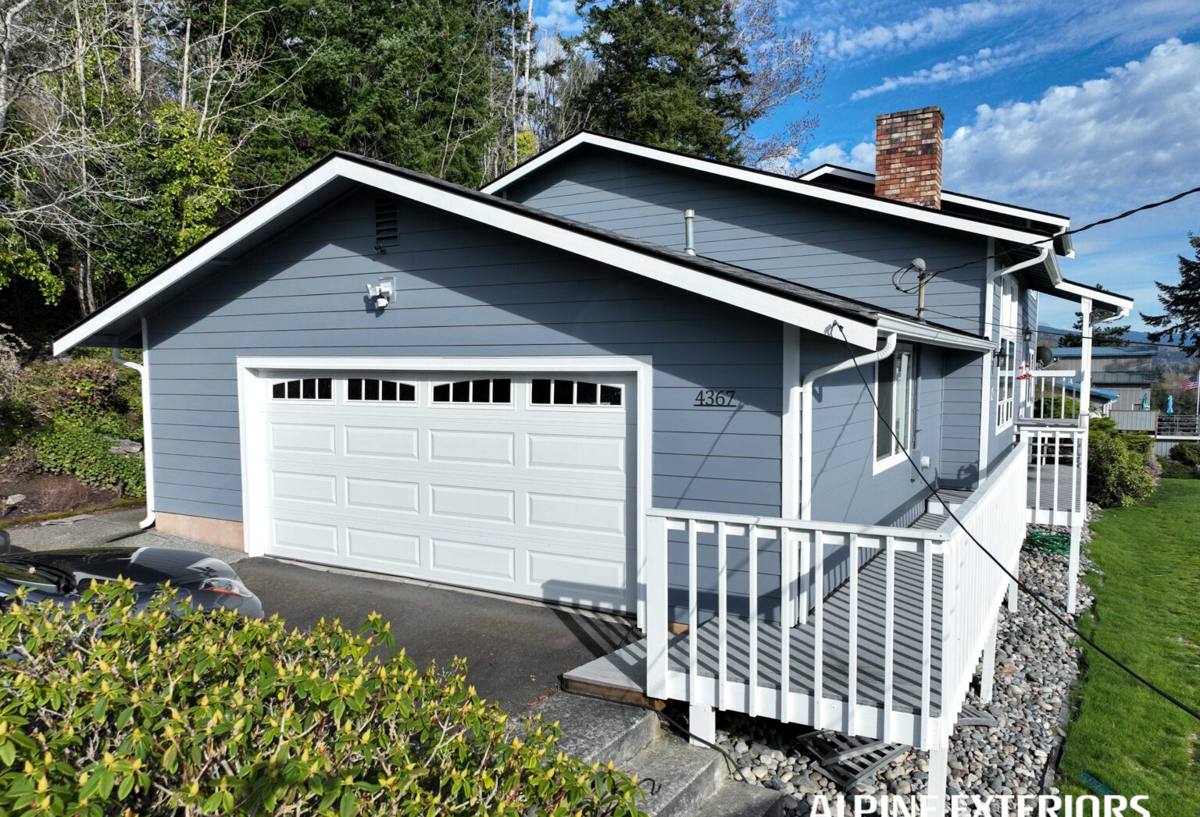
What a Correct New Roof Installation Actually Involves
A roof that looks good from the curb and a roof that's actually built right are two different things. The visible shingle or metal panel layer is maybe a third of the job. The rest happens underneath, where nobody sees it until something fails.
Tear-Off and Deck Inspection
Every full replacement starts with removing the old roofing down to the deck. This is the point where hidden rot, soft spots, or old water staining finally show up. In a coastal climate like Blaine's, we expect to find some degree of moisture damage around old flashing points, valleys, and anywhere the previous roof was patched instead of properly repaired. Any damaged sheathing gets replaced before anything new goes down — installing new roofing over a compromised deck just hides the problem for a few more years.
Underlayment and Water Barrier
Underlayment is the roof's real waterproofing layer; the shingles or panels on top are mostly there to shed the bulk of the water and protect the underlayment from sun and impact. In a high-rain, wind-driven environment, we pay particular attention to eaves, valleys, and roof-to-wall transitions, where self-adhering waterproof membrane matters most. This isn't optional upgrade material in a place like Blaine — it's the difference between a roof that handles a sideways winter storm and one that doesn't.
Ventilation
A roof deck that can't breathe traps moisture from inside the house, which condensates against the underside of the sheathing and rots it from within — independent of anything happening outside. Balanced intake at the eaves and exhaust at the ridge keeps that moisture moving out, and it also helps control ice damming during cold snaps and reduces the damp, dark conditions that moss and algae prefer.
Flashing and Penetrations
Chimneys, vent pipes, skylights, and wall intersections are where the majority of roof leaks actually start — not in the open field of shingles. Correctly installed step flashing, counter-flashing, and pipe boots, sized and lapped properly, matter more to long-term leak prevention than the brand of shingle on the roof.
Choosing a Roofing Material for a Coastal Whatcom County Home
There's no single "best" roofing material for Blaine — the right choice depends on the home's exposure, budget, and how much long-term maintenance the owner wants to take on. Here's how the common options stack up under salt air, driving rain, and moss pressure.
| Material | Coastal / Salt-Air Behavior | Moss Resistance | Relative Cost |
|---|---|---|---|
| Architectural asphalt shingle | Good; fiberglass mat and mineral granules don't corrode | Moderate — benefits from zinc/copper strips and regular cleaning | Lower to mid |
| Standing seam metal | Very good with marine-grade coated steel or aluminum; fasteners and cut edges need attention | Excellent — smooth surface sheds moss | Higher |
| Cedar shake | Fair; needs regular treatment near salt air | Poor without diligent maintenance — retains moisture in a damp climate | Mid to higher |
| Synthetic/composite shake | Good; doesn't absorb moisture like real wood | Good | Mid to higher |
Asphalt architectural shingles remain the most common choice for Blaine homes because they balance upfront cost with solid coastal performance, provided the fasteners and flashing are corrosion-resistant. Metal roofing costs more up front but sheds moss almost entirely and holds up extremely well against wind-driven rain, which makes it a strong option for homes with heavy tree cover or full water exposure. We're honest about cedar shake's trade-offs in this climate: it can look great, but it demands consistent upkeep to resist the moisture retention and moss growth that Whatcom County's dampness encourages, and we walk homeowners through that maintenance commitment before they commit to it rather than after.
Salt Air and Corrosion: The Details That Get Skipped
Salt-laden air off Boundary Bay accelerates corrosion on anything unprotected — nails, staples, flashing, vent boots, and screws. A roof installed with standard electro-galvanized fasteners in a coastal zone can show rust streaking and fastener backing-out years earlier than one built with hot-dip galvanized or stainless fasteners. The same goes for flashing metal: painted or coated aluminum and quality galvanized steel hold up; bare, low-grade metal doesn't. This is a place where cutting a small material cost up front creates a much bigger repair bill later, and it's one of the first things we spec correctly on any Blaine installation regardless of which surface material the homeowner chooses.
Moss, Algae, and Long-Term Roof Health
Moss doesn't just look bad — it holds moisture directly against the roofing surface, works into shingle tabs and granule loss over time, and can lift edges enough for wind-driven rain to get underneath. Blaine's combination of shade, humidity, and a long wet season keeps conditions favorable for moss and roof algae for much of the year. A new roof installation is the right time to build in some prevention: proper attic ventilation reduces the damp, cool conditions moss favors from underneath, and zinc or copper strips near the ridge release trace metal ions with rain runoff that inhibit moss growth over the roof's field. Neither eliminates the need for occasional cleaning on a heavily shaded roof, but both meaningfully extend the time between cleanings.
Our Installation Process for Blaine Homes
- On-site inspection and estimate — we look at the existing roof, attic ventilation, and any problem areas (valleys, chimneys, skylights) before quoting anything.
- Material selection — we walk through the coastal trade-offs above so the homeowner picks a material that fits their budget and how much upkeep they want to take on.
- Tear-off and deck repair — old roofing removed, deck inspected, any rotten or soft sheathing replaced.
- Waterproofing and ventilation install — ice-and-water membrane at eaves, valleys, and penetrations; balanced intake and exhaust ventilation.
- Flashing and surface install — corrosion-resistant flashing and fasteners set first, then the roofing material installed to manufacturer spec.
- Final walkthrough — cleanup, magnetic nail sweep, and a walk-through with the homeowner covering warranty coverage and basic maintenance.
Signs a Blaine Home May Need a New Roof
- Granule loss showing up in gutters or at downspout outlets
- Shingles that are curling, cupping, or missing tabs, especially on the side facing prevailing wind and rain
- Heavy, persistent moss coverage that cleaning no longer keeps ahead of
- Daylight visible through the attic roof deck, or damp insulation after storms
- Rust staining or visible corrosion around flashing, vent boots, or fasteners
- A roof approaching or past 20–25 years old (for asphalt) with no major work done
- Soft spots or noticeable sagging when walking the roof deck
Why Hiring a Crew That Already Works Blaine Matters
Roofing crews who work regularly in Blaine and the rest of Whatcom County already know which fastener and flashing grades hold up against the salt air here, which roof lines collect moss fastest given the local tree cover, and how the winter wind pattern off the water tends to drive rain into valleys and wall intersections that a drier-climate crew might underbuild. That local familiarity shows up less in what's visible from the street and more in the details underneath — the flashing choices, the fastener spec, the ventilation balance — that determine whether a roof is still performing well in year fifteen instead of needing repairs by year seven.
Permits, Warranty, and What to Expect
A full roof replacement in Whatcom County typically requires a building permit, and we handle that as part of the job rather than leaving it to the homeowner. Manufacturer material warranties (typically covering the shingles or panels themselves) and workmanship warranties (covering the installation) are two separate things, and we make sure homeowners understand what each one actually covers before work starts — not after a problem shows up.
If your roof is showing its age, or you'd rather replace it on your own timeline than wait for an emergency leak during the next winter storm, we're happy to take a look and put together a straightforward, no-pressure estimate. Use the form below to get started.