 Lynden Window
 Windows Built for the Wiser Lake Microclimate
Wiser Lake sits in a part of Whatcom County where the weather doesn't do things halfway. Storms roll in off the Salish Sea and Puget Sound with wind-driven rain that hits siding and window frames at an angle, not just straight down. That same marine air carries a fine salt content that settles on hardware, screens, and finishes over time. Add in a long, damp moss season that stretches from fall through spring, and you've got a set of conditions that will find every weak point in a window system — bad flashing, tired weatherstripping, a seal that's starting to fail — faster than it would in a drier inland climate.
Custom windows for a Wiser Lake home aren't about looking different from the house next door. They're about matching the unit, the installation detail, and the materials to what this specific property actually deals with every winter.
What "Custom" Actually Means on a Job Like This
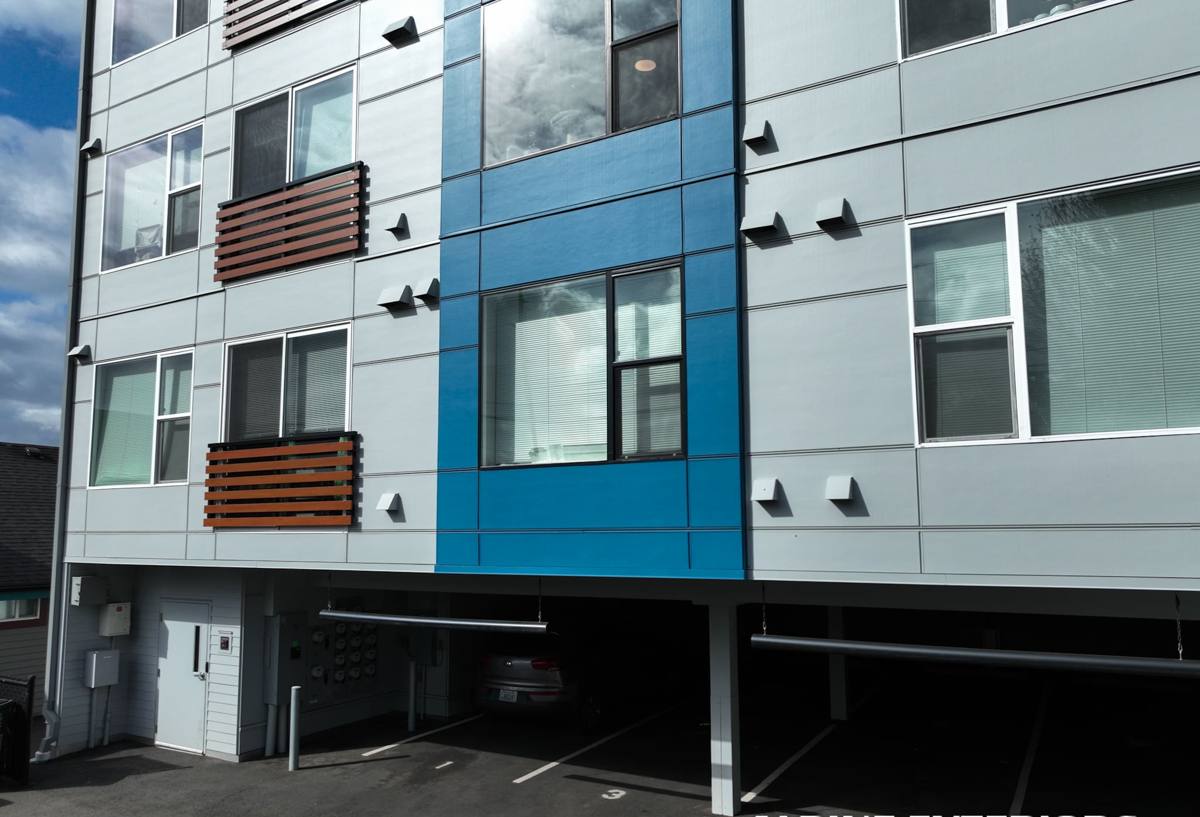
A lot of homeowners hear "custom windows" and assume it means an unusual shape or a high-end look. Most of the time it's simpler than that. Many homes in and around Wiser Lake were built with window openings that don't match today's standard manufactured sizes — older framing, settled foundations, or additions built at a different point in the home's history all throw off the numbers. Custom, in practice, usually means:
- Windows built to the exact rough opening instead of forcing a stock size to fit
- Matching sightlines and grid patterns across a wall of mismatched windows so the house reads as one design
- Accommodating non-standard depths where old wood-frame walls are thicker or thinner than modern construction
- Selecting frame and glass specs based on which direction that wall faces and how much weather it actually takes
That last point matters more here than in most places. A window on the wall that catches the prevailing wind and rain off the lake needs a different level of weatherproofing detail than one tucked under an eave on the leeward side of the same house.
Signs Your Current Windows Are Losing the Fight
Because the moss and moisture season here is long, problems tend to show up gradually — a little more condensation each winter, a little more effort to get a sash moving. Homeowners often don't notice how far things have slipped until they start looking closely. Worth checking for:
- Condensation or fogging between the panes (a sign the seal has failed, not something that cleaning will fix)
- Green or black growth building up in the sill track or corners, especially on north- and west-facing windows
- Wood trim or sills that feel soft, swollen, or spongy to the touch
- Visible daylight or a draft you can feel with your hand along the frame edge
- Sashes that stick, drag, or won't latch fully — often from swelling or warped frame material
- Paint or finish that's bubbling or peeling specifically around the window, not the rest of the wall
Any one of these on its own might just need weatherstripping or a re-caulk. Several together, especially on the weather-facing side of the house, usually point to the window itself reaching the end of its useful life.
Frame Materials That Hold Up Here
Vinyl
Vinyl is popular for good reason — it doesn't rot, it doesn't need repainting, and it handles moisture without the maintenance burden of wood. The trade-off is that lower-grade vinyl can flex or discolor with years of sun and temperature swings, so frame quality and reinforcement matter more than the word "vinyl" on its own.
Fiberglass
Fiberglass frames expand and contract with temperature at close to the same rate as glass, which helps seals last longer over time. It also takes paint well if a homeowner wants a custom color to match trim. It typically costs more up front than vinyl, which is a fair trade for the added stability in a climate that cycles between soaked and cold all winter.
Wood and Wood-Clad
Wood interiors give a warmth and detail that vinyl and fiberglass can't fully match, and clad exteriors (aluminum or vinyl over a wood core) protect that wood from direct weather exposure. We treat wood-clad windows as a design choice for homeowners who want that look and are comfortable with periodic exterior maintenance — not a lower-maintenance option than vinyl or fiberglass, and not a fit for every wall exposure on a property that takes heavy driving rain.
| Frame Material | Maintenance Needs | Best Fit For |
|---|---|---|
| Vinyl | Low — occasional cleaning, no repainting | Most exposures, budget-conscious replacements |
| Fiberglass | Low — very stable, can be painted if desired | Weather-exposed walls, long-term stability |
| Wood-Clad | Moderate — exterior clad protects the wood, interior needs occasional care | Interior character, sheltered exposures |
Glass Packages Worth Paying Attention To
In a climate with this much damp weather, the glass package matters as much as the frame material. A few specifics worth understanding before you choose:
Low-E Coatings
Low-emissivity coatings reduce heat transfer through the glass, which helps keep interior surfaces warmer in winter. That matters directly for condensation control — a warmer interior pane surface is less likely to fog up on a cold, humid morning, which is exactly the kind of morning Wiser Lake sees a lot of.
Double-Pane vs. Triple-Pane
Double-pane with a good Low-E coating and gas fill is the standard, solid choice for most homes here. Triple-pane adds another layer of insulation and can be worth it on walls that take the brunt of winter wind, or for homeowners prioritizing energy performance — but it's a heavier, more expensive unit, and not every wall or budget needs it.
Gas Fills and Spacers
Argon or krypton gas between the panes improves insulation value over plain air. The spacer bar holding the panes apart also matters more than people think — a warm-edge spacer reduces the cold spot at the glass edge where condensation and frost tend to start first.
How We Approach a Wiser Lake Window Job
1. On-Site Assessment
We look at each window opening individually rather than assuming a one-size answer for the whole house — checking framing condition, the exposure of that specific wall, and any existing moisture or moss damage around the opening.
2. Precise Measurement
Openings get measured to actual current dimensions, not the size the house plans say they should be. Older homes settle, and framing shifts a little over decades — building to the real number is what makes a custom window actually fit.
3. Flashing and Moisture Barrier Detail
This is the step that decides whether a window survives its first real Whatcom County storm season. Proper flashing integration with the house's water-resistive barrier — sequenced so water is always directed out and down, never trapped behind the siding — matters more here than almost anywhere else the same product might be installed.
4. Installation and Sealing
Units are set plumb and level, shimmed and fastened per manufacturer spec, then sealed with appropriate exterior sealant rated for sustained wet exposure — not a generic caulk that will fail after one wet winter.
5. Cleanup and Final Check
Every window gets operated, checked for a square, even reveal, and confirmed weathertight before we consider the job done.
Why Local Experience With Wiser Lake Homes Matters
Anyone can sell a window. Installing it correctly for this specific climate is a different matter. A crew that already works in and around Lynden and Whatcom County has seen how driving rain actually behaves against local siding types, knows which wall exposures in this area take the worst of the winter storms, and has a feel for how long the moss season really runs when planning install timing and cure times for sealants. That local pattern recognition is hard to substitute with a generic install checklist. It also means someone is nearby if a warranty question or a settling issue comes up two winters down the road — not a call center in another state.
Keeping New Windows Performing Over Time
A well-installed custom window in this climate should need very little from a homeowner, but a few habits extend its life:
- Clear debris and moss buildup from sills and tracks each fall before the wet season sets in
- Check exterior caulking lines annually for cracking or gaps, especially after a hard winter
- Operate every window a few times a year, even ones rarely opened, to keep hardware and weatherstripping seated correctly
- Address any new condensation between panes right away — it won't resolve on its own and signals a seal failure
If your windows are showing their age or you're planning ahead for a wall that always seems to take the worst of the weather, we're happy to take a look and talk through honest options for your specific home. Reach out for a free, no-pressure estimate using the form below.