 Lynden Window
 Siding Built for Everson's Weather, Not Just Its Looks
Everson sits in the Nooksack River valley just east of Lynden, in the kind of open, wind-exposed farm country that gets the full brunt of Whatcom County weather. There are fewer windbreaks out here than in town, which means driving rain hits walls harder and more often. Add the marine air that moves inland off the Puget Sound and Strait of Georgia, and a moss and algae season that can run most of the year in the shade of a tree line or a north-facing wall, and you have a climate that is genuinely tough on exterior siding.
Homes in and around Everson show the wear differently than a house in a sheltered subdivision. Paint fails faster on the weather side. Moss creeps into seams and butt joints. Fasteners and trim exposed to salt-laden, damp air corrode ahead of schedule. None of this is unusual for the area — it's just what siding here has to stand up to, year after year.
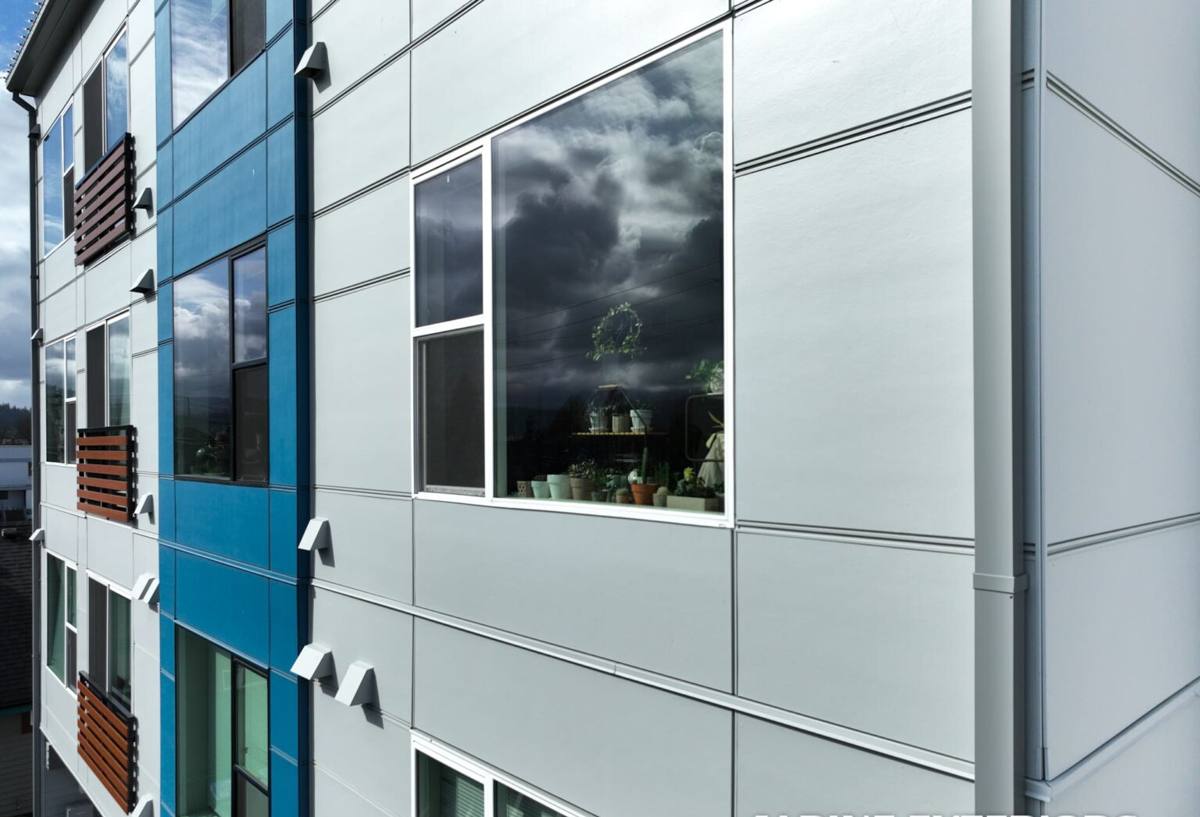
Signs an Everson Home Needs Siding Replacement
Siding rarely fails all at once. It usually shows a pattern of small warnings first. If you're seeing more than one or two of these on your home, it's worth a closer look before the underlying wall assembly gets involved.
- Cracked, warped, or delaminating siding panels, especially on the wall that takes the most weather
- Persistent moss or dark streaking that comes back within weeks of cleaning
- Paint or finish that's peeling, chalking, or failing faster than it should
- Soft or spongy spots when you press on the siding near the bottom courses or trim
- Visible gaps, open seams, or caulk that's cracked and pulling away
- Rising heating bills with no other obvious cause — a sign air and moisture are getting past the wall
- Rot or staining around window and door trim, which often shows up before the field siding does
Any one of these can be a cosmetic fix. Several together, especially combined with soft sheathing underneath, usually mean it's time to plan a full replacement rather than another round of patching.
What a Correct Siding Replacement Actually Involves
Replacing siding is not just swapping old boards for new ones. The siding is the last layer of a system, and if the layers underneath aren't right, new siding will fail early no matter how good the product is. On an Everson home dealing with wind-driven rain, this matters more than it does in a calmer, more sheltered spot.
Tear-Off and Inspection
Full removal of the old siding and trim, then an honest look at the sheathing underneath. Any water damage, soft plywood, or rot gets addressed before anything new goes on — covering over a bad substrate just hides the problem for a few years.
Water-Resistive Barrier and Flashing
A properly lapped weather-resistive barrier, correctly integrated flashing at every window, door, and penetration, and attention to the details at roof lines and deck ledgers — the places where most real-world leaks actually start.
Rainscreen Drainage Gap
On a wall that's going to see repeated wind-driven rain and long stretches of damp shade, a drainage gap behind the siding gives bulk water and trapped moisture somewhere to go instead of sitting against the back of the panel. It also helps the wall dry faster after storms, which matters directly for moss and mildew resistance.
Correct Fastening and Joint Detailing
Manufacturer-spec nailing, proper gapping at butt joints, and factory-finished trim reduce the number of field-caulked seams — every seam is a place water can eventually find a way in.
Why We Install Only James Hardie Fiber Cement
We don't install vinyl, LP SmartSide, Cemplank, Allura, or primed cedar or spruce siding. That's a deliberate standard, not a lack of options. James Hardie fiber cement is non-combustible, holds paint and factory finish far longer than wood-based or engineered-wood products, and is engineered in specific product lines for different climate zones — including the wet, marine-influenced conditions found throughout Whatcom County.
ColorPlus factory-applied finish is baked on under controlled conditions, which gives a more consistent, longer-lasting color than field-applied paint and cuts down on repainting cycles. Fiber cement also doesn't feed moss and algae growth the way wood-based products can, which is a real advantage on a shaded, damp Everson lot. And because it's cement-based rather than wood-based, it doesn't swell, rot, or delaminate the way engineered wood siding can when a seam or joint takes on water over time.
We're not against every alternative product on principle — some of them do specific things well. But when we weigh moisture behavior, long-term maintenance, and how a product actually performs after a decade in this climate, Hardie is what we're comfortable putting our name behind and standing on a home in Everson.
Fiber Cement vs. Other Common Siding Options
Here's a general comparison of how the main siding categories tend to hold up under the conditions common to the Nooksack valley:
| Siding Type | Moisture & Moss Resistance | Maintenance | Typical Longevity |
|---|---|---|---|
| James Hardie Fiber Cement | Strong — cement-based, doesn't feed organic growth | Occasional cleaning, factory finish holds color | Decades with proper installation |
| Vinyl | Sheds water but seams can trap moisture; can warp | Low, but cracks and fades with age and impact | Moderate |
| LP SmartSide / Engineered Wood | Wood-based core; vulnerable at cut edges and seams | Requires diligent caulk and paint upkeep | Shorter if moisture gets in |
| Cedar / Primed Wood | Natural material; absorbs moisture, feeds moss | High — regular sealing, painting, moss treatment | Shortest without heavy upkeep |
What Drives the Cost of Siding Replacement in Everson
Every home is different, so we won't quote a number without seeing the property, but these are the main factors that move the price up or down on jobs in this area.
| Factor | Why It Matters |
|---|---|
| Home size and story height | More square footage and taller walls mean more material, labor, and equipment |
| Condition of the existing sheathing | Rot or water damage found during tear-off adds repair work before siding can go on |
| Trim, soffit, and fascia scope | Replacing trim and detail work alongside the field siding adds cost but keeps the finished look and water-tightness consistent |
| Siding profile and finish selection | Lap width, texture, and ColorPlus color options carry different material costs |
| Site access | Rural lots, outbuildings, fencing, or landscaping close to the house can affect setup and cleanup time |
Our Process, Start to Finish
- On-site assessment — we walk the exterior, check for soft or damaged sheathing, and talk through what your home actually needs
- Written scope and product selection — clear about what's included, what siding profile and color you're choosing, and what the timeline looks like
- Tear-off and substrate repair — old siding and trim removed, any damaged sheathing addressed before moving forward
- Weather barrier, flashing, and drainage gap installation — the layers that do the real work of keeping water out
- Hardie siding and trim installation — installed to manufacturer specification, including fastening and joint detailing
- Final walkthrough and cleanup — job site cleared, and we go over the finished work with you before we call it done
Why Hire a Crew That Already Works in Everson and Lynden
A crew that regularly works this specific corner of Whatcom County knows what to expect before the tear-off even starts. That means understanding how exposed, wind-driven rain behaves against an open field wall differently than it does against a sheltered in-town lot, and building the drainage and flashing details accordingly. It also means knowing the practical realities of working on rural properties around Everson — driveway access, outbuildings, and scheduling around farm or property needs — instead of treating every job like a standard subdivision install.
Local experience also shows up in smaller, less visible ways: knowing which details tend to fail first on homes in this valley, and building those lessons into every new installation rather than learning them on your project.
Keeping Your New Siding Looking Right Through Whatcom County Winters
Fiber cement siding is low-maintenance, not no-maintenance. A simple annual rinse — especially on shaded or north-facing walls where moss and algae take hold fastest — goes a long way. Keep gutters clear so water isn't sheeting down the wall behind you, trim back vegetation that's holding moisture against the siding, and do a quick visual check after big wind and rain events for any caulk or trim that needs attention. Caught early, these are five-minute fixes. Left alone through another wet Whatcom County winter, they can turn into bigger repairs.
If your Everson home is showing signs of aging siding, or you just want an honest read on its condition, we're happy to take a look. Reach out for a free, no-pressure estimate using the form below.