 Lynden Window
 Why Nooksack Homes Ask More of Their Windows
Nooksack sits in a part of Whatcom County where weather doesn't let up for long. Damp air moves in off the water and sits against the foothills, driving rain comes in sideways more often than straight down, and the mild, wet stretches from fall through spring give moss and algae months to gain a foothold on anything that stays shaded and moist. Windows take the brunt of all of it. They're the one part of the building envelope with moving parts, seals, and a frame that has to flex with temperature swings while still keeping water out.
Older single-pane or early dual-pane windows installed a few decades ago were never built with this level of moisture exposure in mind. Add in the salt-tinged air that drifts inland from the Puget Sound region on a west wind, and you get slow, steady corrosion of hardware, degraded weatherstripping, and wood trim that holds water instead of shedding it. None of this happens overnight — it shows up as a window that's harder to open each year, a sill that feels soft, or a corner of glass that fogs on cold mornings.
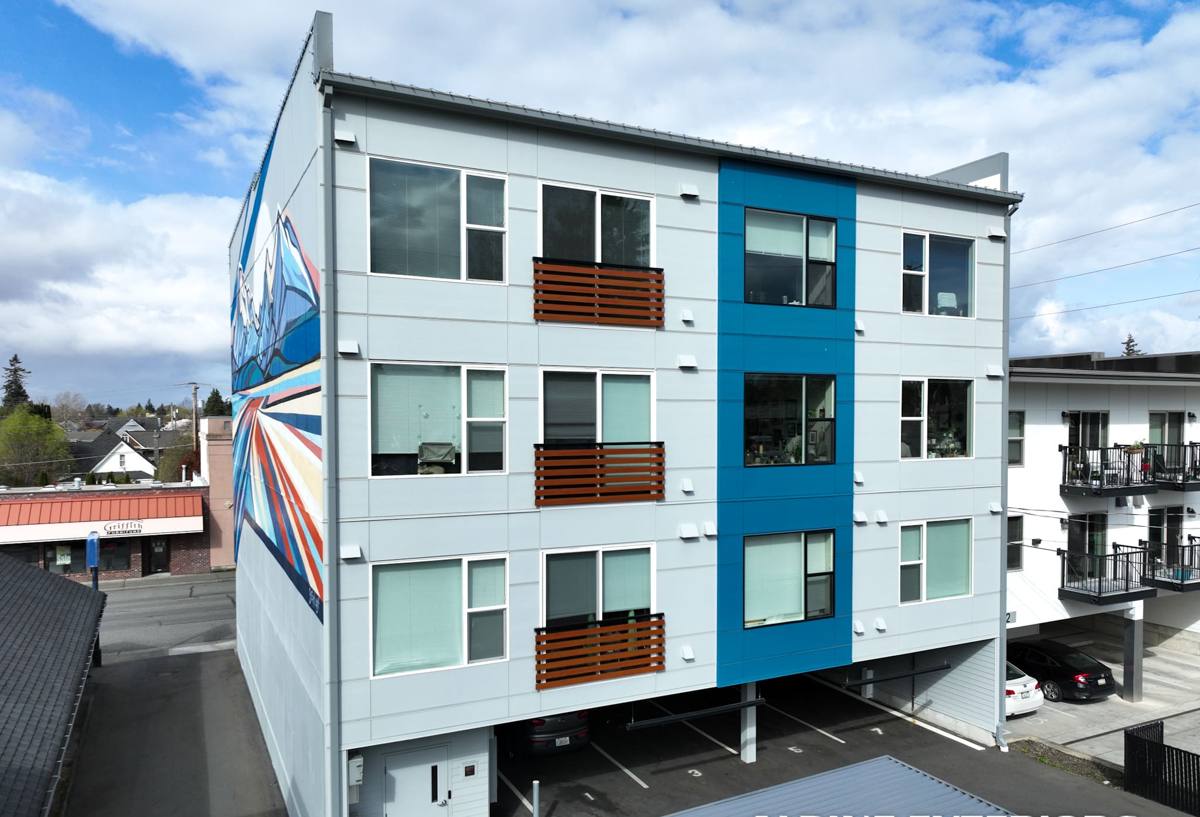
Signs a Nooksack Home Needs Window Replacement
Most homeowners don't call about windows until something is visibly wrong, but the early signs are worth acting on sooner rather than later:
- Fogging or a hazy film between panes — the seal has failed and the gas fill (if there was one) is gone
- Soft or discolored wood at the sill or bottom corners of the frame
- Moss or dark streaking on the frame or trim that comes back within weeks of cleaning it off
- Drafts you can feel with a hand near the frame on a windy day
- Windows that are difficult to open, close, or latch, especially after rain
- Visible daylight or gaps around the frame from outside
- Condensation forming on the inside of the glass regularly through the colder, wetter months
One or two of these on their own might just mean a repair or a re-caulk. Several at once, especially paired with a window that's original to the house, usually means the frame and seal system have reached the end of what they can do.
What a Correct Replacement Actually Involves
It's Not Just the Window Unit
Swapping in a new window without addressing what's around it is how leaks come back within a year or two. A correct job pays as much attention to the rough opening as it does to the window itself.
That means checking the condition of the framing and sheathing once the old unit is out, confirming there's no hidden rot or moisture damage from a slow leak that's been going on for years, and rebuilding the flashing so water is directed out and away rather than trapped behind the siding. In a climate that gets driving rain from multiple directions across a season, flashing details at the head, jambs, and sill aren't optional extras — they're the difference between a window that performs for decades and one that fails quietly from the inside.
Sealing and Insulation
Once the window is set, plumb, level, and square, the gap between the frame and the rough opening gets properly insulated and sealed — not just caulked around the outside trim. A window that looks finished from the curb but was foamed carelessly or left with gaps in the weather-resistive barrier will still let moisture and air through where it counts.
Choosing a Window Built for This Climate
Frame material matters more here than it does in a drier climate, because whatever you choose is going to spend a lot of its life wet or damp. Here's how the common options actually hold up under Whatcom County conditions:
| Frame Material | Moisture Behavior | Maintenance | Our Take |
|---|---|---|---|
| Vinyl | Won't rot, doesn't corrode, handles damp cycles well | Low — occasional cleaning | Solid, cost-effective default for most homes here |
| Fiberglass | Excellent — very stable through wet/dry and hot/cold cycling | Low | Strong choice for exposed elevations or higher-end projects |
| Wood (unclad) | Attractive but needs consistent upkeep to resist moisture | High — repainting, sealing | Only where the look is a priority and upkeep is planned for |
| Wood-clad (vinyl or aluminum exterior) | Good — exterior shell protects the wood core | Moderate | Good middle ground when wood interior trim matters |
| Aluminum | Prone to condensation and slower to insulate against cold | Moderate | Rarely our recommendation for this region's winters |
Glass matters too. Dual-pane with a low-E coating is the baseline we'd recommend for any home in this area; triple-pane adds real value on north- and west-facing walls that take the worst of the wind and rain, though it's not always necessary on every elevation of every house. The right call depends on the home's exposure, not a blanket rule.
Full-Frame vs. Insert Replacement
Two different approaches solve different problems, and an honest contractor should tell you which one your house actually needs rather than defaulting to the easier or more profitable option.
| Approach | Best For | Trade-offs |
|---|---|---|
| Insert (pocket) replacement | Frames and sills still structurally sound, no rot present | Faster, less disruptive, but any existing frame damage stays hidden behind the new unit |
| Full-frame replacement | Rotted sills, damaged flashing, or visible water intrusion history | More labor involved, but the only way to actually fix a compromised opening |
We'll tell you honestly which category your windows fall into once we've had a look, rather than assuming the cheaper option is the right one just because it's cheaper.
Our Process, Start to Finish
- On-site assessment — we look at each window individually, not just the house as a whole, since exposure varies by elevation
- Honest recommendation — insert or full-frame, which materials make sense, and why
- Written estimate — clear line items, no vague allowances
- Careful removal — old units come out without unnecessary damage to surrounding siding or trim
- Inspection of the opening — any rot or hidden moisture damage gets addressed before the new window goes in, not after
- Installation — set plumb, level, square, properly flashed and insulated
- Final walkthrough — every window operated and checked with you before we consider the job done
Why Hiring a Crew That Already Works in Nooksack Matters
A window that gets installed correctly in a dry inland climate can still fail here if the crew doesn't account for how much water this region actually throws at a building over a year. Flashing sequences, sill pan details, and sealant choices that are "good enough" elsewhere can come up short against sustained driving rain and the salt-tinged moisture in the air.
A crew that regularly works Whatcom County homes has already seen which details matter most on this ground — where moss tends to build up and trap moisture, which elevations of a typical Nooksack-area home take the worst weather, and what it actually takes to keep a seal intact through years of wet winters. That's not something you can fully substitute with a good product alone; it comes from doing the work here, repeatedly, and paying attention to what holds up and what doesn't.
Living With Your New Windows: Moss Season and Upkeep
New windows reduce maintenance, but they don't eliminate it. A little seasonal attention keeps them performing for the long haul:
- Rinse frames and tracks a couple of times a year to keep moss and algae from establishing, especially on shaded or north-facing walls
- Clear debris from weep holes so water can drain out rather than pool at the sill
- Check exterior caulking annually, particularly after a hard winter
- Keep gutters and downspouts clear so runoff isn't sheeting directly down over window heads
None of this is heavy work, but skipping it is how even a good window installation loses years off its lifespan in a climate like this one.
What Drives the Cost
| Factor | Why It Matters |
|---|---|
| Insert vs. full-frame | Full-frame involves more labor and often carpentry repair |
| Frame material | Vinyl, fiberglass, and wood-clad price differently |
| Glass package | Dual-pane low-E vs. triple-pane changes unit cost |
| Number and size of openings | Larger or custom-sized windows cost more than standard sizes |
| Condition of the existing opening | Hidden rot or damage adds repair time once discovered |
| Access and elevation | Second-story or hard-to-reach windows take more time to install safely |
We won't quote a number over the phone with any confidence — too much depends on what we actually find at the opening once we're on site. What we can promise is a written estimate that breaks down exactly what you're paying for, before any work starts.
If your windows are showing their age, or you'd just like a straight answer about whether insert or full-frame replacement makes sense for your home, we're happy to take a look. Use the form below to request a free, no-pressure estimate — we'll give you an honest read on where things stand and what it would take to fix it right.