 Lynden Window
 Windows Built for the Nooksack Stretch of Whatcom County
Homes around Nooksack sit in a part of Whatcom County that takes weather seriously. The air carries salt influence up from the Sound on a regular basis, driving rain comes in sideways more often than most homeowners expect, and the gray, damp stretch of fall through spring gives moss and mildew months to work on anything with a weak seal or exposed wood. Windows here don't fail because of one bad storm. They fail slowly, from years of moisture finding its way into places it shouldn't be.
That's the backdrop for every custom window job we do in this area. "Custom" isn't a marketing word for us — it means the window is built and installed to match the actual opening, the actual wall assembly, and the actual weather exposure of that specific home, not a generic stock size forced into place and caulked over.
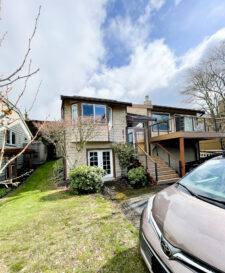
What "Custom" Actually Means for a Window Replacement
Measuring for the Real Opening, Not a Catalog Size
Older homes and additions around Nooksack rarely have perfectly standard rough openings. Settling, prior remodels, and decades-old framing mean the opening you have today is almost never the exact size it was on the original blueprint. Custom windows are built to that real, current measurement — width, height, and depth — so the finished unit sits square in the frame instead of relying on shims, foam, and extra caulk to fake a fit. A window that's forced to fit a slightly-wrong opening is a window that will eventually leak at the corners.
Matching Style to the Home
Custom also covers how the window looks and operates. Grid pattern, sash proportions, casement versus double-hung, interior finish — these choices should match the age and style of the house, not just whatever happens to be in stock. A farmhouse near Lynden and a newer build closer to Nooksack call for different window profiles, and getting that wrong is one of the more common complaints we hear about past projects done elsewhere.
Signs Your Nooksack Home's Windows Are Past Their Prime
Most homeowners don't think about window replacement until something is obviously wrong, but the early signs are usually visible well before a window fails outright. Here's what we ask people to check before calling:
- Fogging or a persistent haze between the panes — the sign of a broken seal on double-pane glass
- Visible moss, algae, or dark streaking on the sill or bottom corners of the frame
- Wood trim or sill that feels soft, spongy, or spongy-then-crumbly when pressed
- Drafts you can feel with a hand near the frame on a windy day
- Windows that are hard to open, stick partway, or won't stay up without a prop
- Paint or finish that's bubbling, peeling, or discolored specifically around the window opening
- A noticeable jump in heating costs without any other explanation
Any one of these on its own might just mean a repair. Several of them together, especially on the sides of the house that catch the most weather, usually means the windows are due for replacement rather than another round of caulk and paint.
Frame Materials: What Actually Holds Up in This Climate
We get asked constantly which frame material is "best." The honest answer depends on the home, the budget, and how much upkeep the homeowner wants to take on — but here's how the common options compare for a climate with regular rain, humidity, and a long moss season.
| Frame Material | Moisture Behavior | Maintenance | Typical Fit |
|---|---|---|---|
| Vinyl | Won't rot or corrode; handles damp exposure well | Low — occasional cleaning | Most homes, budget-conscious replacements |
| Fiberglass | Very stable in wet/dry cycling, resists warping | Low to moderate | Homes wanting longevity and a slimmer sightline |
| Wood-clad | Good if the cladding is intact; interior wood still needs protection from condensation | Higher — finish and seals need periodic attention | Older or higher-end homes matching original wood trim |
| Bare wood | Most vulnerable to our wet season without diligent upkeep | Highest | Historic restorations where authenticity matters more than upkeep |
We don't push one material on every job. What we do is explain the maintenance trade-off honestly before you buy — a bare wood window can look beautiful, but if nobody's repainting and re-caulking it on a schedule, this climate will find the weak point within a few seasons.
Glass Packages: Where the Real Performance Difference Is
Frame material gets most of the attention, but the glass package is what actually determines comfort and energy performance day to day.
Low-E Coatings
A low-emissivity coating reflects heat back into the room in winter and blocks excess solar heat in summer. For a climate that swings between damp, chilly stretches and occasional bright, warm days, a good low-E coating pays for itself in comfort even before you factor in the energy bill.
Gas Fills and Spacer Systems
Argon or krypton gas between the panes slows heat transfer compared to plain air. Just as important — and often overlooked — is the spacer system holding the panes apart at the edge. A warm-edge spacer resists condensation better than an older metal spacer, which matters a lot in a climate where indoor humidity plus cold glass equals fogged-up windows and, eventually, mold at the sill.
Double-Pane vs. Triple-Pane
Double-pane with a strong low-E coating is the right call for most homes in this area — it balances cost and performance well. Triple-pane adds real value on north-facing walls, rooms with big glass expanses, or homes right in the path of the harshest weather, but it's a heavier, more expensive unit that isn't necessary on every opening.
Our Installation Process, Step by Step
1. On-Site Assessment and Measurement
We start by measuring every opening individually and checking the condition of the surrounding framing, sill, and flashing — not just the window itself. This is also when we flag any rot or water damage that needs to be addressed before a new window goes in, because installing a new window over a compromised opening just hides the problem.
2. Careful Removal
Old windows come out without unnecessary damage to the siding or interior trim. We check the opening for hidden moisture or framing issues once the old unit is out — this is often where problems from years of minor leaks first become visible.
3. Flashing and Weatherproofing
This step matters more than the window itself. Proper flashing tape, sill pans, and sealant placement are what actually keep driving rain out over the long run. A beautiful window installed with sloppy flashing will leak; a modest window installed with correct flashing usually won't.
4. Setting the Window
The unit is set level, plumb, and square, shimmed correctly, and fastened per manufacturer specs — not just caulked into place. Proper shimming prevents the frame from binding, which is one of the most common causes of windows that get hard to open a year or two after installation.
5. Interior and Exterior Finish
Trim, caulk, and paint or stain are finished to match the home, and every unit is tested for smooth operation and a tight seal before we call the job done.
What Drives the Cost of a Custom Window Job
Every home is different, so we won't quote a number without seeing the actual openings — but these are the factors that most often move the price up or down.
| Cost Factor | Why It Matters |
|---|---|
| Number and size of openings | More glass and larger units mean more material and labor |
| Frame material chosen | Vinyl, fiberglass, and wood-clad carry different material costs |
| Glass package | Triple-pane, specialty coatings, or tempered/safety glass add cost per unit |
| Condition of the existing opening | Rot repair or reframing adds labor beyond a straightforward swap |
| Access and site conditions | Second-story or hard-to-reach windows take more time and equipment |
| Trim and finish complexity | Custom interior trim matching or historic profiles add finish labor |
We walk through these factors with you during the estimate so there are no surprises once work starts.
Keeping New Windows Performing Through the Wet Season
A well-installed window still benefits from a little seasonal attention, especially in a climate where moss and moisture get months to work. A short annual routine goes a long way:
- Clear moss, leaves, and debris from sills and tracks before the fall rains set in
- Check exterior caulk lines each spring for cracking or gaps
- Wipe down tracks on sliding and casement windows so hardware doesn't bind
- Watch for condensation buildup on interior glass, which can signal indoor humidity that needs venting
- Touch up exterior paint or stain on wood-clad units before bare wood gets exposed
- Test locks and operation once a year — a window that won't latch fully isn't sealing fully either
None of this replaces a good installation, but it does extend the life of one considerably.
Why a Crew That Already Works Nooksack Makes a Difference
There's a real advantage to hiring a contractor who already understands how homes in this specific part of Whatcom County are built and how they age. We've seen how salt-tinged air and driving rain wear on window frames here, which sills tend to catch moss first, and which framing details from certain build eras need extra attention during a replacement. That local pattern recognition means fewer surprises once the old windows come out and a better match between the product we recommend and what the house actually needs.
It also means accountability. A crew that works this area regularly has a reputation to maintain with neighbors, not just a single job to finish and move on from. That's worth as much as any warranty on paper.
If your windows in or around Nooksack are showing their age — or you're just planning ahead — we're happy to take a look and walk you through honest options for your home. Request a free, no-pressure estimate using the form below.