 Lynden Window
 New Roof Installation Built for Laurel's Weather
Laurel sits in the rural stretch of Whatcom County between Lynden and Bellingham, close enough to the water to feel its influence but removed enough from the city that homes here tend to have more roof, more tree cover, and more exposed roof plane than a typical in-town lot. That combination matters more than most homeowners realize. Salt-tinged marine air moves inland and works quietly on exposed metal for years before a leak ever shows up. Rain rarely just falls straight down through much of the wet season — it gets driven sideways and forced up under roofing edges during windier stretches. And on shaded or north-facing slopes, especially where mature trees ring a property, moss and algae get a long season to take hold and don't let go until well into summer. None of that makes a new roof a bad investment in Laurel. It just means the job has to be built for those specific stresses from the first course of underlayment, not treated like a generic roof going on a generic house.
Lynden Window Co installs, repairs, and replaces roofs across Whatcom County, and we handle siding, windows, and decks as well, because exterior work in this climate rarely stays isolated to one component. This page covers what a correct new roof installation actually looks like for a Laurel home — the details that matter in this specific area, what separates a roof that lasts from one that leaks early, and how we run the job from the first walk-through to final cleanup.
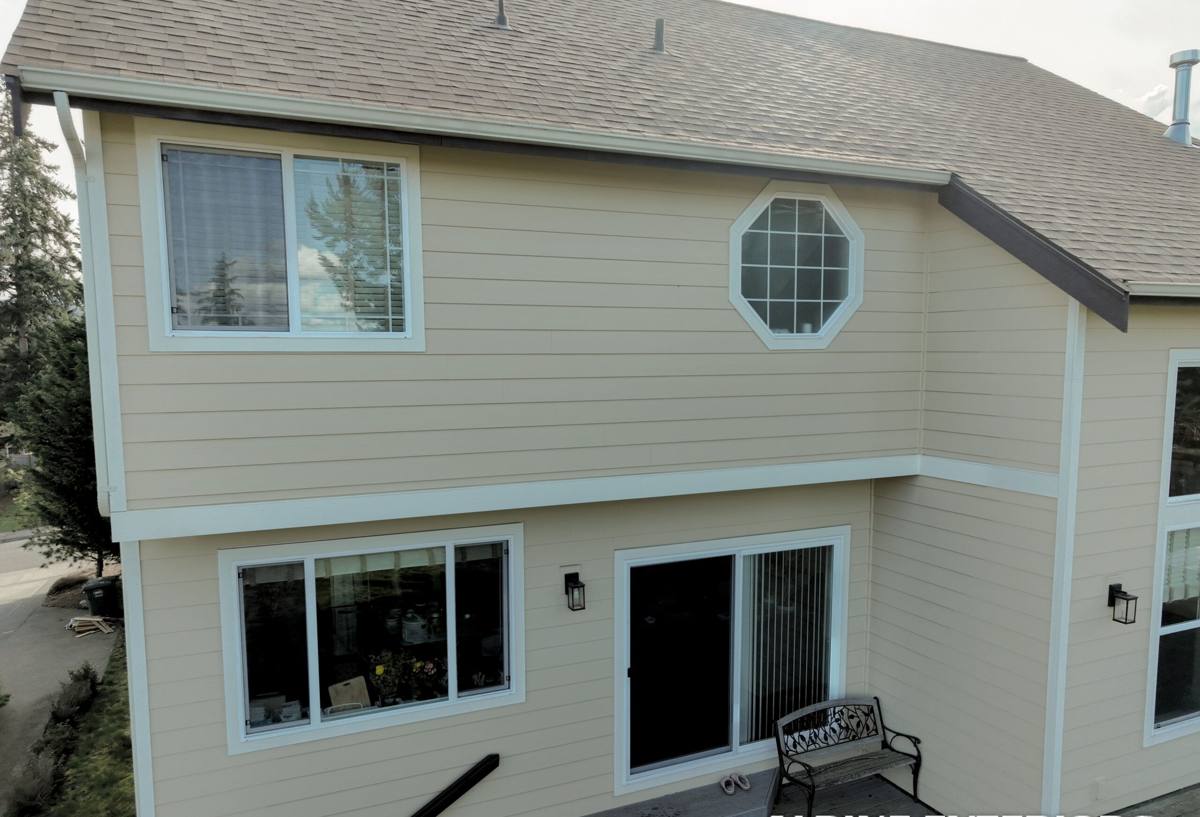
What Local Weather Does to a Laurel Roof
Salt Air
Airborne salt drifting in from the water accelerates corrosion on fasteners, flashing, and vent stacks that weren't specified for a coastal-influenced environment. A fastener or flashing metal that would hold up fine much farther inland can start rusting within a handful of years out here if it wasn't chosen with that in mind. It's one of the easiest corners to cut because it's invisible at installation — the rust doesn't show up as a stain or a leak until years later.
Driving Rain
Rain in this part of Whatcom County doesn't always arrive straight down. Wind pushes it sideways and up into valleys, around chimney and vent penetrations, and under laps and edges that would stay dry in a calmer storm. A roof built to a bare minimum standard for wind exposure tends to leak first at exactly those transition points rather than in the open field of the roof.
A Long Moss Season
Shaded roof planes and anything under tree cover hold moisture longer between rain events than sun-exposed sections do, and on a property with mature trees — common on larger Laurel lots — that adds up to a genuinely long moss season. Moss isn't just a cosmetic problem. It holds water against the roofing surface, works its way under shingle edges over time, and can lift or loosen roofing that isn't installed with ventilation and drainage in mind from the start.
Signs a Laurel Home Needs a New Roof
Roofs rarely fail all at once — they give warning signs first, often well before water actually shows up inside the house. These are the signs that usually point toward replacement rather than a patch:
- Granules collecting in gutters in more than light, normal amounts
- Curling, cracking, or lifted shingle edges, especially on wind-exposed slopes
- Moss or dark algae streaking that returns within a season of cleaning, particularly on shaded or north-facing planes
- Rust staining around nail heads, flashing, or metal vent stacks
- Soft or spongy spots underfoot, or visible sagging along the roofline
- Daylight visible through the roof deck from inside the attic
- Water staining on interior ceilings, especially near valleys or penetrations
- A roof approaching or past the manufacturer's rated service life for its material and exposure
If more than one or two of these apply, it's worth having the roof looked at before the next stretch of wet weather rather than waiting for a leak to force the decision.
What a Correct New Roof Installation Involves
Putting a new roof on isn't just stripping off the old material and laying down new. Done correctly, it's a layered system that starts at the deck and builds up, with each layer doing a specific job.
Tear-Off and Deck Inspection
A full tear-off down to the plywood or OSB decking is the only reliable way to find rot, soft spots, or hidden moisture damage that's developed quietly under the old roofing — damage that's often invisible from inside the attic until it's well advanced. A layover, where new roofing goes directly over the old layer, skips this step and simply seals whatever problems already exist underneath.
Underlayment
Given how often rain gets driven sideways here, underlayment isn't a place to save money. Synthetic or self-adhered underlayment gives the deck a real secondary water barrier, and ice-and-water shield membrane at eaves, valleys, and other high-risk transitions adds protection exactly where wind-driven rain is most likely to find a way in.
Flashing
Most roof leaks in this area don't start in the open field of the roof — they start at flashing. Valleys, chimney and skylight penetrations, and roof-to-wall transitions all need flashing that's properly lapped, integrated with the underlayment as part of the water-shedding system, and not simply caulked over after the roofing material is already down.
Fasteners and Hardware
Standard fasteners corrode faster in salt-influenced air than most homeowners expect. Fastener and hardware selection should account for that from the start, since a fastener failure years down the road is hard to trace back and cheap to prevent up front.
Ventilation
Balanced intake and exhaust ventilation keeps the underside of the roof deck drier year-round, which extends the life of the roofing material and works directly against the conditions that let moss take hold from underneath. A roof can look fine from the ground and still be losing years of service life to poor attic airflow nobody's checked.
Choosing a Roofing Material for This Climate
There's no single correct material for every Laurel home — it depends on roof pitch, how much shade the property gets, and how long you plan to stay. The table below is a general starting point; installation quality still matters more than brand for how long any of these actually last.
| Material | Moss & Moisture Behavior | Typical Maintenance | Realistic Lifespan Here |
|---|---|---|---|
| Architectural asphalt shingle | Performs well with proper ventilation; algae-resistant granule options help on shaded slopes | Periodic moss removal and gutter checks | 20-30 years |
| Standing seam metal | Sheds water and discourages moss due to a smooth, steep-shedding surface | Low; occasional fastener and sealant checks | 40-60 years |
| Cedar shake | Absorbs moisture readily; needs airflow underneath to dry fully between rain events | Higher; regular treatment and moss control | 20-30 years with consistent upkeep |
| Composite/synthetic shingle | Resists moisture absorption; performance varies meaningfully by product | Low to moderate | 30-50 years depending on product |
A steep, sun-exposed roof plane and a low-slope roof shaded by mature trees on the same Laurel property can reasonably call for different answers. We'll walk through pitch, sun exposure, and budget with you rather than defaulting to whichever product is easiest to sell.
Cost Factors Worth Understanding
Two bids for the same roof can land thousands of dollars apart, and the gap is almost always real scope, not padding on one side. Knowing what drives the number makes it much easier to compare estimates that look nothing alike on paper.
| Factor | What It Affects |
|---|---|
| Tear-off vs. layover | Whether hidden deck damage gets found and repaired before new roofing goes down |
| Underlayment grade | How well the roof resists wind-driven rain getting under edges and laps |
| Material and wind rating | Expected lifespan and how the roof holds up on exposed lots |
| Flashing scope | How thoroughly valleys, chimneys, and wall intersections are addressed |
| Ventilation upgrades | Long-term moisture control and how long the roofing actually lasts |
| Roof pitch, size, and access | Labor time, staging needs, and safety requirements on the job |
A written estimate that breaks these out line by line tells you far more than a single lump-sum number. It's worth asking any contractor to walk you through exactly what's included before comparing two prices side by side.
How Our Process Works
- On-site inspection. We walk the roof and attic ourselves rather than estimating from a photo or a satellite image, and document what we actually find.
- Written estimate. You get a clear, itemized bid covering tear-off, underlayment, flashing, material, ventilation, and cleanup, not one vague line item.
- Scheduling around weather. We build reasonable flexibility into the timeline, since wet-season delays are a normal part of working in this region, not an excuse we reach for later.
- Tear-off and deck repair. Old roofing comes off completely, and any deck damage found underneath gets addressed before anything new goes down.
- Underlayment, flashing, and roofing installation. Each layer goes on to manufacturer specification, with extra attention at valleys, penetrations, and wall transitions.
- Final walk-through and cleanup. We review the finished roof with you in person and do a full site and magnetic nail sweep before calling the job done.
Why Hiring a Crew That Already Works in Laurel Matters
A crew that regularly works roofs around Laurel and the wider Lynden area has already seen how salt-influenced air corrodes underspecified fasteners, how wind-driven rain finds its way through poorly lapped underlayment, and which roof orientations hold moss longest through the wet months. That's practical, earned knowledge that shows up in dozens of small decisions over the course of a job — decisions a crew unfamiliar with this specific area might not think to make at all.
It matters after the job wraps up too. A workmanship warranty is only as good as the company standing behind it years later, and a contractor with an ongoing presence in Whatcom County is one you can actually reach if a question comes up down the road.
A Practical Checklist Before You Choose a Roofer
- Do they perform a full tear-off with deck inspection, not just a layover?
- Does the estimate specify underlayment type and roofing product, not just "new roof"?
- Is flashing work at valleys, chimneys, and walls explicitly written into the bid?
- Do they carry current WA contractor licensing, liability insurance, and workers' compensation?
- Can they point to recent, real work in or near Laurel or Lynden?
- Does the bid clearly separate manufacturer material warranty from the contractor's own workmanship warranty?
Maintaining a New Roof in This Climate
A correctly installed roof still benefits from basic upkeep given local conditions:
- Keep gutters clear so water isn't backing up under roof edges during heavy rain
- Address moss growth before it spreads across a full slope, not after
- Trim back tree cover that keeps a section of roof shaded and slow to dry
- Have flashing points checked periodically, especially after major windstorms
- Address any small leak signs right away rather than waiting for the next dry stretch
If your roof is showing its age or you're planning ahead for a replacement, we're glad to take a look and talk through honest options for your Laurel home. Reach out for a free, no-pressure estimate using the form below.