 Lynden Window
 Why Acme's Climate Is Hard on a Roof
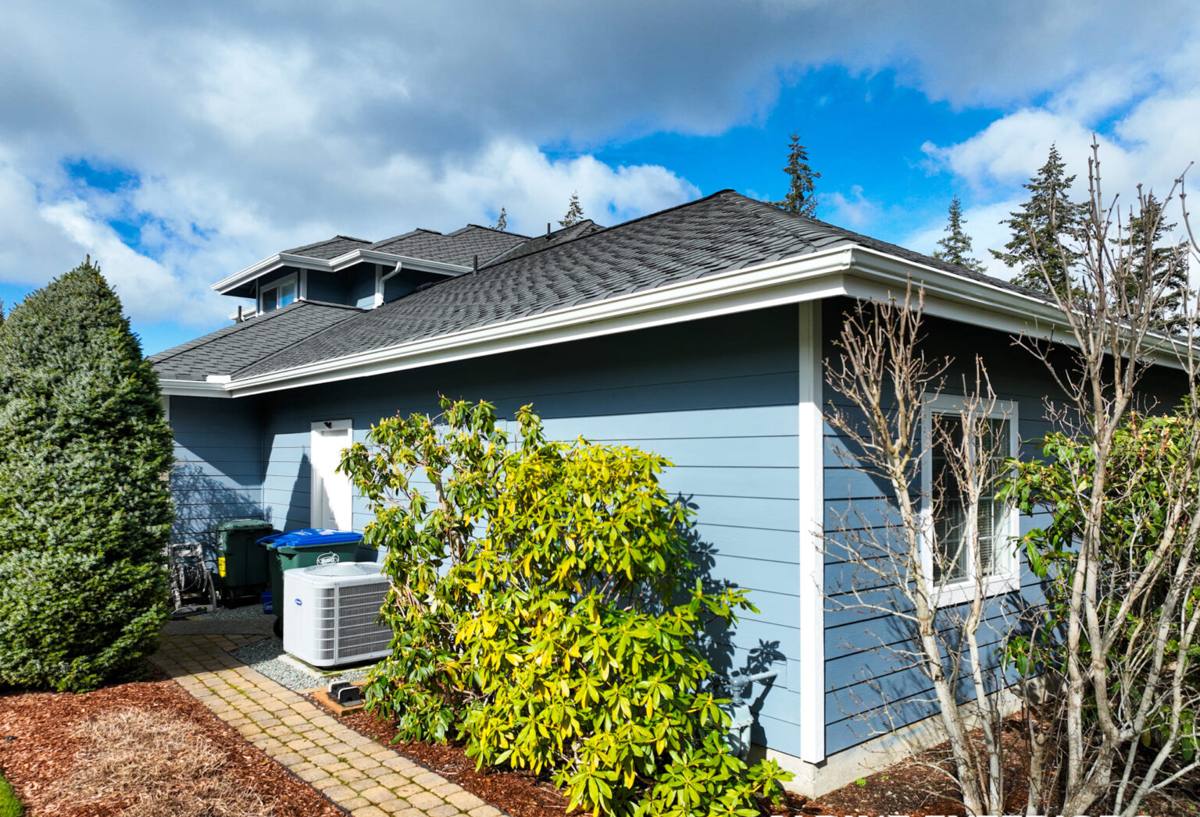
Acme sits in the wooded foothills east of Lynden, and homes out here deal with a different set of conditions than a roof closer to town might face. Heavy tree cover holds moisture against the roof surface long after a storm has passed, driving rain gets pushed sideways under eaves and around penetrations, and the salt air that moves in off the Sound adds a slow corrosive element to anything metal that isn't properly protected. Add a moss season that can stretch for most of the year in shaded, tree-heavy lots, and you have a climate that will find every weak point in a roofing system eventually.
None of that means metal roofing is a bad fit for Acme — it's usually the opposite. Done correctly, a metal roof sheds moisture faster than most other materials, resists moss growth better than asphalt shingles, and holds up well against wind-driven rain. The catch is in that phrase: done correctly. A metal roof installed with shortcuts in a climate like this will show problems faster than the same shortcuts would in a drier region.
What a Correct Metal Roof Installation Actually Involves
Underlayment and Moisture Barriers
Metal panels are the visible layer, but the underlayment underneath does most of the real work of keeping water out of the structure. In a wet, moss-prone area like Acme, we don't treat underlayment as a formality. A quality synthetic or self-adhered underlayment, installed with correct overlaps and sealed at every penetration, is what keeps a roof dry even when wind-driven rain gets past the panel seams.
Flashing Details
Almost every roof leak we're called out to investigate traces back to flashing, not the field panels themselves. Valleys, chimneys, skylights, vents, and wall transitions all need flashing that's cut, lapped, and sealed to shed water downhill in every direction wind can push rain. This is the part of a metal roof install that separates a crew that understands the trade from one that's just fastening panels down.
Fasteners and Attachment
The fasteners holding a metal roof down have to match the panel material to avoid galvanic corrosion, and in a coastal-influenced, salt-air environment, that pairing matters more than it would further inland. Incorrect fastener choice is a slow failure — it won't show up in year one, but it will show up.
Ventilation
A roof deck that can't breathe traps moisture underneath the panels, which leads to rot in the sheathing long before the metal itself shows any wear. Proper ridge and intake ventilation is part of a correct install, not an upgrade.
Choosing the Right Panel System for an Acme Home
There are two main paths for residential metal roofing, and the right one depends on the home, the roof pitch, and the budget. We'll walk through both honestly rather than push whichever one carries a bigger margin.
| Panel Type | Fastener Style | Best For | Trade-offs |
|---|---|---|---|
| Standing Seam | Hidden clips, no exposed screws in the field | Long-term, low-maintenance roofs; homes under heavy tree cover | Higher upfront cost; requires an experienced installer for correct seaming |
| Exposed Fastener (Screw-Down) | Screws with rubber washers through the panel face | Budget-conscious projects, outbuildings, simpler rooflines | Washers age and need periodic checking; more attachment points that can loosen or corrode over time |
For most primary residences in a wet, moss-prone setting like Acme, we lean toward recommending standing seam because it has no exposed fasteners for water or moss to work into over the years. That said, exposed-fastener systems are a legitimate, cost-effective option when the budget or the structure calls for it — the key is installing whichever system is chosen correctly, not oversimplifying it as one system being "better" in every case.
Cost Factors to Expect
We don't post fake numbers, but homeowners deserve to know what actually moves the price up or down before they call. These are the factors that matter most on an Acme project.
| Factor | Why It Affects Cost |
|---|---|
| Panel system chosen | Standing seam typically costs more than exposed-fastener panels due to material and labor |
| Roof complexity | Valleys, dormers, and multiple roof planes add flashing labor and material waste |
| Tear-off vs. overlay | Removing an old roof down to the deck costs more but lets us inspect and repair the sheathing underneath |
| Deck condition | Rot or moisture damage found once the old roofing is removed adds repair cost before new panels go on |
| Access and pitch | Steep pitches, tall homes, or tight lot access affect labor time and safety setup |
Broadly speaking, metal roofing sits above asphalt shingles in upfront cost and below it in long-term maintenance and replacement frequency. The exact number for your home depends on the factors above, which is why we measure and inspect in person rather than quoting off a phone call.
Our Process, Start to Finish
We keep this straightforward because a homeowner shouldn't have to guess what happens next.
- On-site inspection. We walk the roof and attic, check the deck condition where visible, and note existing moisture damage, moss buildup, and problem flashing areas.
- Written estimate. We explain the panel and underlayment options for your specific roof and give you a clear, itemized price — no vague allowances.
- Tear-off and deck check. Old roofing comes off, and we inspect the sheathing for rot before anything new goes down. Any repairs needed are flagged before we proceed.
- Underlayment and flashing. This is the layer that actually keeps water out, so it gets installed carefully and inspected before panels go on.
- Panel installation. Panels are set, seamed or fastened per the system chosen, and all penetrations are sealed and flashed.
- Final walkthrough. We go over the finished roof with you, confirm ventilation and drainage are working as intended, and answer any questions before we consider the job done.
Living With a Metal Roof Under Heavy Tree Cover
A correctly installed metal roof needs far less maintenance than asphalt shingles, but "far less" isn't "none," especially on a wooded Acme lot. Moss won't take root on bare metal the way it does on shingles, but it can still build up in valleys, around chimneys, and anywhere debris collects and holds moisture against a seam or fastener. Gutters clogged with needles and leaves send water back up under the roof edge instead of away from the house, which undermines even a well-installed system over time.
Our general recommendation for tree-covered properties in this area is a periodic debris clearing, especially heading into the wet months, and an occasional look at valleys and penetrations where organic material tends to collect. This isn't a heavy maintenance schedule — it's a once- or twice-a-year check that keeps a well-installed roof performing the way it's designed to for decades.
Signs Your Current Roof Needs Attention
Whether you have an aging asphalt roof or an older metal roof that may not have been installed to today's standards, these are the signs worth a call before they turn into interior damage:
- Moss or dark streaking building up in valleys or along the north side of the roof
- Visible rust at fastener heads or panel edges
- Granule buildup in gutters (a sign of asphalt shingle wear, if that's what you currently have)
- Daylight visible through the roof deck from inside the attic
- Soft or discolored ceiling drywall, especially after a heavy rain
- Panels or shingles that appear lifted, loose, or out of alignment
- Flashing around chimneys, skylights, or vents that looks cracked, pulled away, or rusted
Any one of these on its own isn't necessarily an emergency, but in a climate that gets as much sustained moisture as Whatcom County does, small issues don't stay small for long.
Why It Matters to Hire a Crew That Already Works in Acme
Roofing standards on paper don't change from one town to the next, but the practical decisions — how much underlayment overlap to use, how to detail a valley against wind-driven rain, how aggressive to be about ventilation under heavy tree cover — are shaped by what actually holds up in a given climate. A crew that regularly works Acme and the surrounding Lynden area has already seen which details matter here and which corners get exposed fastest by this specific mix of rain, moss, and salt air.
That local familiarity also shows up in smaller, practical ways: knowing what a typical Acme roofline and lot look like before we arrive, understanding permitting expectations in Whatcom County, and being reachable afterward if a question comes up rather than being a crew that passed through once and moved on.
Ready to Talk About Your Roof?
If you're weighing a metal roof for your Acme home, or you're not sure whether your current roof needs repair or full replacement, we're happy to take a look and give you a straight answer. Reach out for a free, no-pressure estimate using the form below — we'll walk the roof, talk through your options, and give you real numbers before you decide anything.