 Lynden Window
 Roof Repair Built for Maple Falls Conditions
Maple Falls sits up in the wooded foothills of Whatcom County, and roofs out there work harder than roofs down in Lynden proper. More tree canopy, more shade, more standing moisture, and weather that rolls in off the Pacific and gets wrung out over the higher ground on its way toward the Cascades. If you own a home in Maple Falls, you've probably already noticed your roof needs more attention than a house in a more open, sun-exposed spot. That's not bad luck — it's the environment.
This page covers roof repair specifically for Maple Falls homes: what tends to go wrong, what a repair should actually involve, and what to expect when you call a crew that already knows the area.
Why Maple Falls Roofs Age Faster Than You'd Expect
Heavy Tree Cover and a Long Moss Season
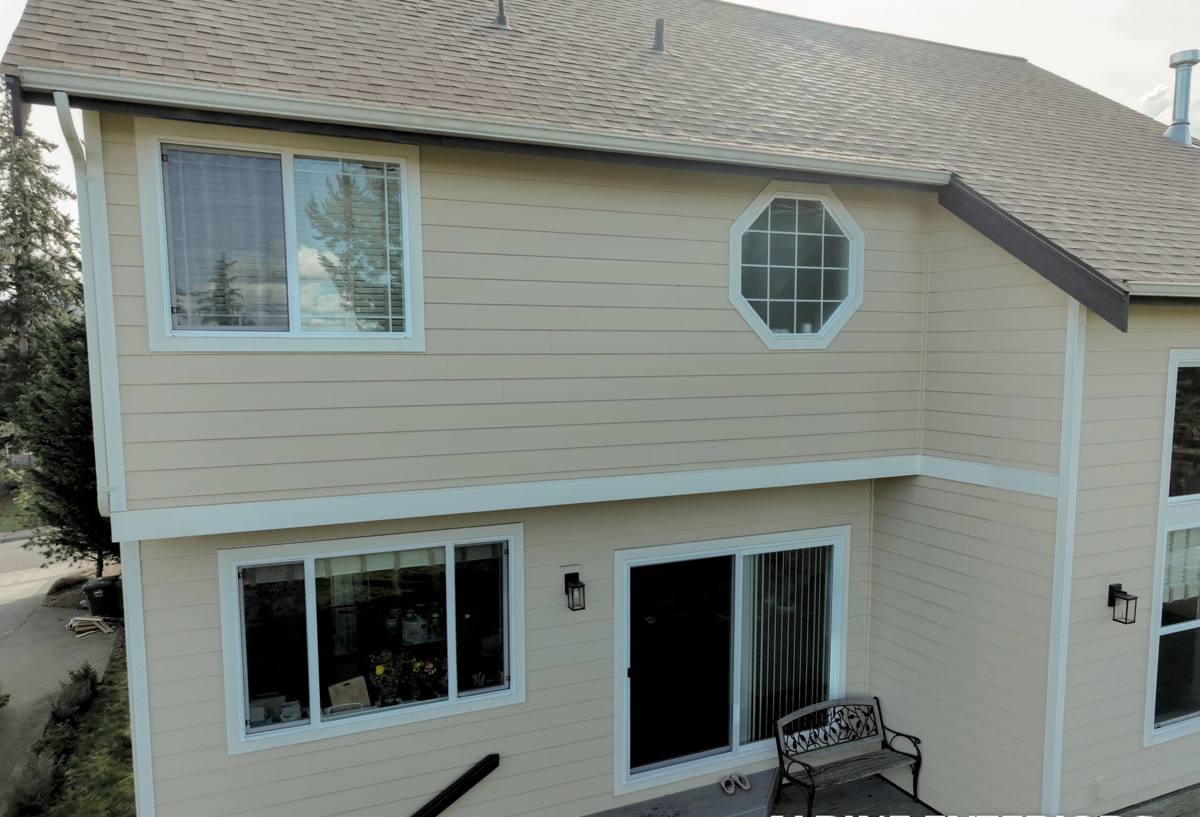
Dense conifer and mixed-forest cover keeps a lot of Maple Falls roofs shaded most of the year. Shade means slower drying after every rain, and slower drying means moss and algae get a head start and never really lose it. Once moss takes hold on a shingle roof, it works its way under the tabs, holds moisture against the surface, and starts lifting shingles from the edges — which is exactly how small leaks get their start.
Driving Rain and Wind
Whatcom County gets its share of driving, wind-pushed rain, and homes tucked among trees often catch wind gusts funneled through gaps in the canopy. That kind of rain doesn't just fall straight down — it gets pushed sideways up under flashing, around vent boots, and into any seam that isn't sealed the way it should be. A roof that would hold up fine under calm rain can still leak under wind-driven rain if the details weren't done right the first time.
Damp, Marine-Influenced Air
Whatcom County sits close enough to Puget Sound and the Strait of Georgia that damp, salt-tinged marine air is part of the regional weather pattern, even well inland. That extra moisture in the air is one more reason roofing materials up here take a beating compared to drier parts of the state — metal fasteners corrode faster, organic growth spreads faster, and materials that dry out completely in the summer elsewhere often stay damp longer here.
Common Roof Repair Problems We See in Maple Falls
Every roof is different, but a handful of issues show up again and again on homes in this area:
- Moss and algae growth lifting shingle edges and holding moisture against the roof deck
- Clogged valleys and gutters from needles and leaf litter, which backs water up under shingles instead of letting it run off
- Damaged or rusted flashing around chimneys, skylights, and roof-to-wall transitions
- Wind and debris damage from branches or limbs coming down in a storm
- Soft or spongy decking where trapped moisture has been sitting under the roofing material for a while
- Failed or brittle pipe boots around plumbing vents, which crack with age and let water track in around the pipe
Most of these start small. A roof repair done early — before the leak shows up as a stain on the ceiling — is almost always cheaper and less disruptive than waiting.
What Goes Into a Correct Repair, Not Just a Patch
A lot of roof "repairs" are really just a bead of sealant slapped over the visible symptom. That might buy a season, but it doesn't fix the underlying problem, and on a shaded, moss-prone roof like the ones common in Maple Falls, the problem usually comes back — often worse.
Find the Actual Source
Water almost never shows up inside the house directly below where it's entering the roof. It travels along the underlayment or decking before it finds a gap. A correct repair starts with tracing the leak back to its actual entry point, not just patching where the stain appears.
Match the Material and the Method
Shingle color and profile fade and change over time, so a repair section will rarely be invisible — but it should be close, and it should be installed with the same nailing pattern, exposure, and overlap as the surrounding roof. A repair that doesn't match the existing roofing system's installation method is a weak point waiting to happen.
Flashing and Underlayment Come First
Shingles are the visible layer, but flashing, underlayment, and proper ventilation are what actually keep water out. Replacing shingles over damaged flashing or rotten decking just hides the real issue under new material.
Our Roof Repair Process
- Inspection. We get up on the roof (or use a scope for steep or hard-to-access sections) and look at decking, flashing, valleys, vents, and the shingles themselves — not just the spot you called about.
- Diagnosis and explanation. We walk you through what we found, what's causing it, and what your realistic options are — repair, or in some cases, why a repair isn't the right long-term call.
- Written estimate. A clear scope of work and price before anything gets touched, no surprise add-ons mid-job.
- The repair itself. Removing and replacing only what's actually damaged, correcting flashing and underlayment where needed, and matching materials as closely as possible.
- Cleanup. Old material, debris, and any moss or organic growth removed from the area, not just left in the gutters or yard.
- Follow-up. If something isn't sitting right after the first rain, we come back and make it right.
Repair or Replace? How We Help You Decide
Not every roof problem needs a full re-roof, and not every roof problem should be treated as "just a patch." Here's the general way we think through it:
| Situation | Usually Points To |
|---|---|
| Roof under 15 years old, isolated damage (one storm-damaged section, one bad flashing detail) | Targeted repair |
| Roof 15-20+ years old with moss damage in multiple areas and soft decking in more than one spot | Repair now, but plan for replacement in the next few years |
| Widespread granule loss, curling shingles, or repeated leaks in different locations each year | Full replacement is usually more cost-effective than ongoing repairs |
| Storm or falling-branch damage to an otherwise sound, newer roof | Section repair, often insurance-eligible |
We'll never push a full replacement when a repair is the honest answer, and we'll tell you straight when repeated repairs are starting to cost more than a replacement would over time.
What Roof Repair Typically Costs
Costs vary a lot depending on roof pitch, access, the extent of damage, and how much decking (if any) needs to be replaced underneath. As a rough guide:
| Repair Type | Typical Range |
|---|---|
| Flashing repair or resealing (chimney, vent, skylight) | Low hundreds |
| Moss and debris removal with treatment | Low-to-mid hundreds, depending on roof size |
| Localized shingle replacement (storm or wear damage) | Mid hundreds |
| Valley or flashing rebuild with decking repair | Upper hundreds to low thousands |
| Larger section re-roof (one slope or area) | Several thousand, sized to square footage |
These are general ranges, not quotes — every roof is different, and the only way to get an accurate number is an on-site look. We provide free estimates so you know the real cost before deciding anything.
Why Local Experience in Maple Falls Matters
A crew that mostly works in flatter, more open parts of Whatcom County isn't necessarily set up for what Maple Falls throws at them. Steeper driveways, longer setbacks, septic and well systems that need to be worked around, and roofs shaded by mature trees all change how a job gets scheduled and executed. A crew that already works in Maple Falls knows to plan around wet ground access, knows how much moss buildup is normal versus a sign of a deeper problem, and knows which flashing details tend to fail first on shaded, tree-covered roofs in this specific area — not just roofs in general.
That local familiarity also means fewer surprises. We're not learning the quirks of the area on your job.
Roof Maintenance Checklist for Maple Falls Homeowners
Between repairs, a little regular attention goes a long way toward avoiding the next one:
- Clear moss and debris from the roof surface at least once, ideally twice, a year
- Keep gutters and valleys free of needles and leaf litter, especially before fall and winter rains
- Trim back tree limbs that overhang or touch the roofline
- Check flashing around chimneys, vents, and skylights annually for cracking or rust
- Look at the underside of the roof deck in the attic periodically for staining or damp spots
- Address small leaks as soon as you notice them, rather than waiting for dry weather to "deal with it later"
If you're not comfortable getting on the roof yourself — and on a shaded, mossy roof, we don't recommend it without the right footing and equipment — an annual inspection from a crew that knows what to look for is a reasonable substitute.
Get a Free, No-Pressure Estimate
If you're dealing with a leak, storm damage, or just a roof that's showing its age faster than it should given how much shade and moss it's fighting, we're happy to take a look. Fill out the form below for a free estimate — no pressure, no obligation, just an honest read on what your roof actually needs.