 Lynden Window
 Board & Batten Siding in Maple Falls
Board and batten has become one of the most requested siding styles in Whatcom County, and Maple Falls is no exception. The look — wide vertical panels with narrow battens covering the seams — reads clean and modern on newer builds and fits naturally on the barns, outbuildings, and farmhouse-style homes that are common in this part of the county. It's a strong style choice. But board and batten is also less forgiving than standard lap siding when it's installed wrong, and Maple Falls' climate is exactly the kind of climate that finds those mistakes.
This page covers what board and batten siding needs to hold up on a Maple Falls home, what a correct installation actually involves, and why the crew you hire matters as much as the product you choose.
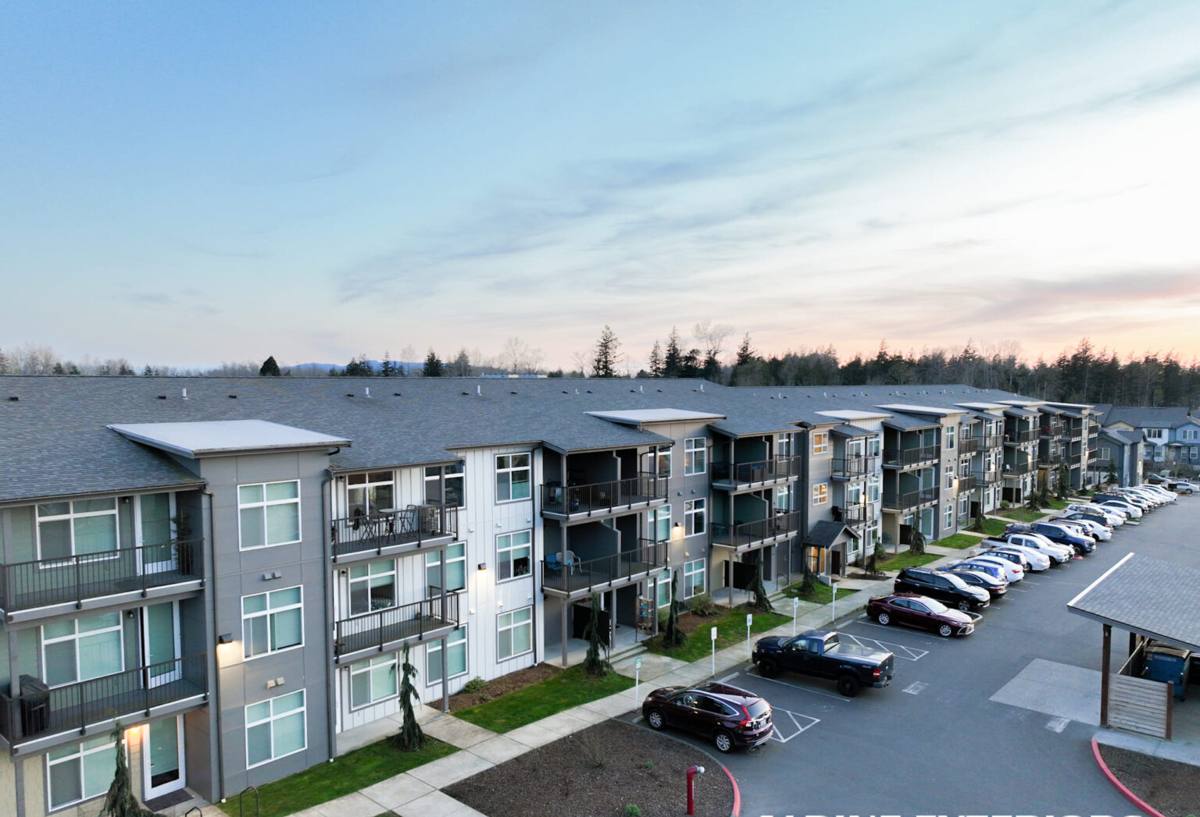
What Maple Falls' Climate Does to Vertical Siding
Maple Falls sits in the wooded foothill country east of Lynden, with more tree cover, more shade, and generally wetter, cooler microclimates than the open farmland closer to town. Combine that with the marine-influenced weather that moves through all of Whatcom County — driving rain, long damp winters, and a moss season that can stretch from fall through spring — and you get siding conditions that are noticeably tougher on a house than a drier inland climate would be.
Moss and Shade
Homes tucked under tree canopy or on the north and west sides of a lot dry out slower after every rain. Moss and algae need exactly that: shade and sustained moisture. On vertical siding, moss tends to establish first in the battens and at horizontal seams, where water sits longest and airflow is weakest. Left alone, it holds moisture against the panel face and accelerates wear at exactly the joints that are hardest to reseal later.
Driving Rain and Vertical Panels
Board and batten's long vertical lines look great, but they also give wind-driven rain a straight path down the wall with fewer horizontal breaks than lap siding. If the drainage plane, flashing, and joint details behind those boards aren't done correctly, water finds the path of least resistance — usually at a butt joint, a window return, or wherever a fastener was placed without enough thought. In a climate that gets sustained, driving rain events rather than just light drizzle, those small gaps get tested repeatedly over a winter.
What a Correct Board & Batten Installation Involves
A board and batten installation is a system, not just boards nailed to the wall. Each layer has a job, and skipping one shows up as a problem two or three winters later.
Rainscreen and Drainage Gap
Behind the panels, a drainage gap (rainscreen) lets any moisture that gets past the siding drain and dry out instead of sitting against the sheathing. In a shaded, wet climate like Maple Falls sees for much of the year, this gap is what keeps incidental moisture from turning into trapped moisture. It's an easy step to skip and an expensive one to fix after the fact.
Flashing and Joint Treatment
Every horizontal joint, window, door, and roofline intersection needs proper flashing so water sheds outward instead of behind the panel. Butt joints on vertical panels need to be backed and sealed correctly, not just butted together and caulked over. This is the detail that separates a board and batten job that looks fine on install day from one that still looks fine in year eight.
Fastening and Batten Spacing
Fiber cement panels and battens expand and contract slightly with temperature and moisture. Fastener placement, spacing, and the gap left between panels all need to follow the manufacturer's engineering, not a crew's shortcut. Battens placed too tight or fastened wrong can crack, cup, or pull loose over time — and once one batten fails, the seam behind it is exposed.
Comparing Board & Batten Materials
Board and batten is available in several materials, and they don't perform the same way in a wet, shaded, moss-prone climate. Here's an honest comparison of what homeowners are typically choosing between.
| Material | Moisture Resistance | Moss/Algae Resistance | Maintenance | Typical Lifespan |
|---|---|---|---|---|
| James Hardie fiber cement | Very good — non-combustible, engineered for wet climates | Factory finish resists staining better than raw wood | Occasional wash; ColorPlus finish holds color | 30+ years to spec |
| Primed spruce/cedar boards | Absorbs moisture if finish fails | Prone to moss and mildew in shade | Repainting/staining every few years | Highly finish-dependent |
| Vinyl board and batten | Sheds water but seams and panels can warp | Can still host moss/algae in shaded areas | Low, but limited repair options | 20-25 years typical |
| LP SmartSide (engineered wood) | Vulnerable at cut edges and joints if not sealed correctly | Moderate — depends on coating integrity | Edge sealing and joint maintenance matters | Finish and installation dependent |
Every one of these products can look good going up. The difference shows up years later, in how they handle the seams, the shade, and the wet months — which is exactly why we made a standardization decision instead of offering all of them.
Why We Install Only James Hardie
We install James Hardie fiber cement exclusively — including HardiePanel vertical siding with HardieTrim battens for board and batten projects. That's a deliberate standard, not a limitation we apologize for.
Fiber cement doesn't feed moss the way raw or primed wood can, and it doesn't carry the moisture-related warping and edge-swelling risks that engineered wood products can develop if a joint isn't perfectly sealed. It's non-combustible, which matters increasingly in Washington. The ColorPlus factory finish holds its color without the repainting cycle that wood siding demands, and it comes with a strong transferable warranty when installed to Hardie's specifications — which is the installation standard we hold every job to. Vinyl can mimic the board and batten look, but it doesn't hold a crisp, flat panel line the way fiber cement does, and it has its own long-term limitations in seam performance. We'd rather put one product on a home and get the installation exactly right than offer several and let cost decide the outcome.
Our Board & Batten Installation Process
- On-site inspection — we look at wall orientation, shade exposure, existing moisture or moss damage, and any areas where the current siding has already failed.
- Tear-off and prep — old siding comes off, sheathing is inspected and repaired as needed before anything new goes on.
- Weather-resistive barrier and rainscreen — a proper drainage plane goes down first, sized for the moisture load this climate actually produces.
- Flashing at every penetration — windows, doors, and horizontal joints get flashed before panels go up, not caulked after the fact.
- HardiePanel and batten installation — fastened and spaced to Hardie's engineering specifications for our climate zone.
- Joint sealing and finish check — seams, corners, and trim are checked against manufacturer detail before we call it finished.
- Final walk-through — we go over the job with the homeowner before we consider it done.
What to Ask Before Hiring a Board & Batten Crew
Board and batten hides installation mistakes well at first — the boards look straight, the battens look even, and the problems don't surface until the second or third wet season. Before hiring anyone for this work, it's worth asking:
- Do you install a rainscreen/drainage gap behind the panels, or fasten directly to the barrier?
- How do you flash horizontal joints and butt joints on vertical panels?
- What fastener schedule and batten spacing do you follow, and is it to manufacturer spec?
- Will the installation qualify for the manufacturer's transferable warranty?
- Have you installed board and batten on homes with similar shade and moisture exposure nearby?
If a contractor can't answer these clearly, that's worth noting before boards go on the wall.
Why a Crew That Already Works Maple Falls Matters
Maple Falls isn't identical to downtown Lynden or the open farmland closer to the interstate. The tree cover, the elevation, the shade patterns, and the length of the wet season all shift how a home dries out after a storm — and that affects real installation decisions, like where a rainscreen matters most or which walls need the most careful flashing. A crew that's already worked houses in this specific part of Whatcom County has seen how moss actually establishes here, how long panels stay damp on shaded elevations, and where past installations in the area have failed. That's knowledge that shows up in the details of the job, not just in a sales pitch.
If you're weighing board and batten siding for a home in Maple Falls, we're happy to take a look at your walls, talk through what your specific site needs, and give you a straightforward, no-pressure estimate. There's a form below — reach out whenever you're ready.