 Lynden Window
 Windows Built for the Nooksack Valley's Wet Climate
Deming sits in a part of Whatcom County where the weather doesn't do anything halfway. Winters bring long stretches of driving rain, humidity stays high most of the year thanks to the surrounding tree cover and river bottom, and anything wood or painted starts collecting moss within a season or two if it isn't detailed to shed water. Windows take the brunt of that. A frame or sill that isn't installed with the right flashing sequence, the right sealant, and the right slope will start letting water in long before the glass itself ever fails.
We install windows throughout Whatcom County, and the homes out toward Deming get a slightly different treatment than a house closer to town. More tree canopy means more standing moisture, more organic debris in the tracks and weep holes, and more shade that slows drying time after a storm. None of that is complicated to plan for — but it has to actually be planned for, not treated as an afterthought.
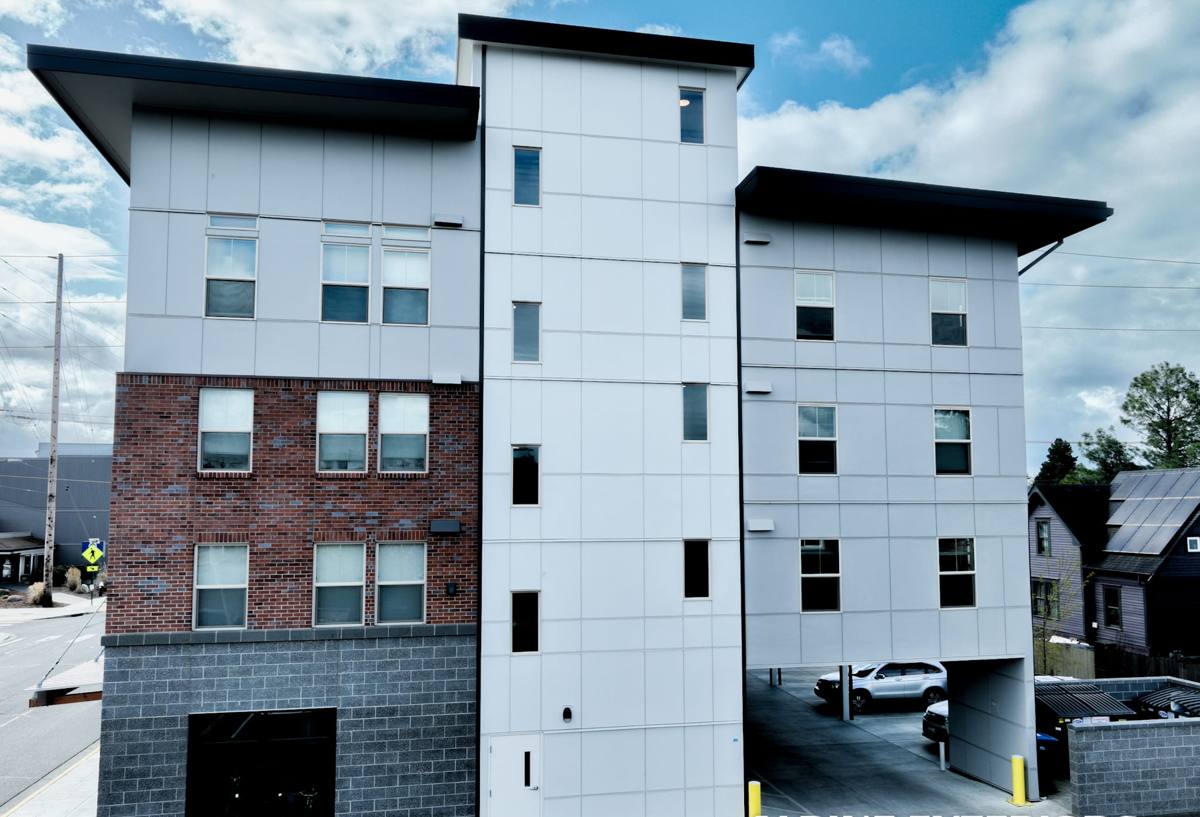
What Deming Homes Actually Need From a Window Job
Most of the window problems we find out this way aren't about the glass. They're about water management around the opening.
Common issues we see
- Original builder-grade flashing that was never lapped correctly, so water tracks behind the siding instead of out over the sill pan
- Wood trim and sills holding paint film that's cracked and let moisture in underneath, leading to soft or rotting wood at the corners
- Weep holes packed with moss, pollen, and debris so the frame can't drain even when it's built correctly
- Single-pane or early dual-pane units with failed seals, showing fog or condensation between the panes
- Gaps around the frame that were never properly insulated, so the window whistles or feels cold to stand near in winter
Any one of these will shorten the life of an otherwise good window. Fixing them is as much about the installation detail as it is about the window itself.
Signs It's Time to Replace, Not Just Repair
Not every problem window needs full replacement. Here's a quick gut check before you decide.
- Wood at the sill or bottom corners feels soft, spongy, or crumbles when pressed
- You see fogging or a milky haze between the panes that doesn't clear — that's a failed seal, and it can't be fixed, only replaced
- The window won't stay open, won't latch, or has visibly warped out of square
- You can feel a draft standing near the window on a windy day even with it fully closed
- Moss or dark staining keeps returning at the same spot on the exterior trim within months of cleaning it
- Energy bills have climbed and you can't otherwise account for it
If it's one window with isolated rot, sometimes a targeted repair and re-flash is the honest answer. If it's several windows on the same wall or the same age across the house, replacement is usually the better long-term value — you're not paying labor twice for the same wall.
Our Installation Process
1. On-site assessment
We look at every opening individually — not just the window, but the wall assembly around it. Wood siding, fiber cement, and vinyl all call for different flashing details, and a house with a lot of tree shade needs extra attention to drainage planes.
2. Removal and opening prep
Old units come out carefully to avoid tearing the surrounding siding or trim more than necessary. We check the sheathing and framing underneath for rot or moisture damage before anything new goes in — this is the step that gets skipped on a rushed job, and it's the one that causes callbacks two winters later.
3. Flashing and sealing
This is the part that matters most in this climate. Sill pan flashing, properly lapped house wrap or building paper, and correctly sequenced sealant (not just a bead of caulk around the outside) are what actually keep driving rain out. We don't rely on sealant alone to do a flashing detail's job.
4. Setting and shimming
The window gets set level, plumb, and square, shimmed at the manufacturer's specified points, and fastened without over-compressing the frame — a window that's racked slightly out of square during install will bind, leak, or fail its seal early no matter how good the unit was.
5. Insulation and interior/exterior finish
Low-expansion foam or backer rod around the frame perimeter, then trim work to match the existing house detail as closely as possible.
6. Final check and cleanup
We test operation, check for square and smooth function, and walk the job with you before we consider it done.
Choosing a Frame Material for This Climate
All of these can perform well here if installed correctly — the trade-offs are about maintenance, appearance, and budget, not one being "bad."
| Material | Moisture Behavior | Maintenance | Typical Fit |
|---|---|---|---|
| Vinyl | Won't rot; handles humidity well | Low — occasional cleaning | Best value, wide color/style range |
| Fiberglass | Very stable, minimal expansion/contraction | Low | Good for larger openings, longer lifespan |
| Wood-clad | Exterior protected by cladding; interior wood needs care | Moderate — watch for cladding seam failures | Traditional look, higher cost |
| Aluminum | Conducts cold and can condense in winter without thermal breaks | Low | Best for specific architectural styles, not our default recommendation here |
For most Deming homes we lean toward vinyl or fiberglass because they hold up to sustained moisture without the ongoing upkeep that wood cladding demands. If you want a wood-look interior with real weather protection outside, wood-clad units still make sense — we just make sure you understand the maintenance commitment going in rather than finding out the hard way.
What Affects Cost
| Factor | Why It Matters |
|---|---|
| Number and size of openings | Bigger jobs bring some per-unit efficiency but total cost scales with count and size |
| Frame material | Vinyl is typically the most budget-friendly; fiberglass and wood-clad cost more upfront |
| Condition behind the old window | Rot or water damage found during removal adds repair time before the new unit goes in |
| Access and siding type | Second-story openings and certain siding (stucco, brick) take longer to flash and trim cleanly |
| Full-frame vs. insert replacement | Insert replacement reuses the existing frame and is faster/cheaper; full-frame is more thorough when the old frame is compromised |
We won't quote a number without seeing the actual openings — but broadly, homeowners here should expect standard vinyl replacement windows to run from the low hundreds to over a thousand per opening depending on size and style, with full-frame replacements and larger or specialty units pushing higher. We'll walk you through where your specific job lands and why.
Timing and Permits
Window replacement in Whatcom County can typically move faster than a full remodel, but larger structural changes to an opening may require a permit through the county. We handle that conversation with you up front rather than leaving it as a surprise mid-project. As for timing: we try to schedule installs around drier weather windows when possible, since an open wall during a heavy rain event is exactly the kind of exposure this climate punishes. A well-run install crew plans the schedule around the forecast, not just the calendar.
Why a Crew That Already Works Deming Matters
A window installer who mostly works drier, more sheltered parts of the county can still do fine work — but they may not default to the flashing detail, drainage plane, and material choices that a shaded, high-moisture property actually needs. We've done enough jobs out through the Nooksack Valley and the wooded lots around Lynden to know that "good enough for a dry site" isn't the same standard we hold ourselves to out here. That shows up in small decisions — how much lap on the house wrap, whether we add extra sealant redundancy at a north-facing wall, how we handle a sill that's already showing early rot — that don't get made correctly by habit unless you've done the work in this specific kind of setting.
Get a Straight Answer, No Pressure
If you're not sure whether your windows need repair or full replacement, or you just want an honest look at what a job would involve and cost, we're glad to come out and take a look. The estimate is free, there's no pressure to sign anything on the spot, and you'll get a clear explanation of what we'd actually do and why — use the form below to get started.