 Lynden Window
 Asphalt Shingle Roofing in Kendall: Built for What This Area Actually Does to a Roof
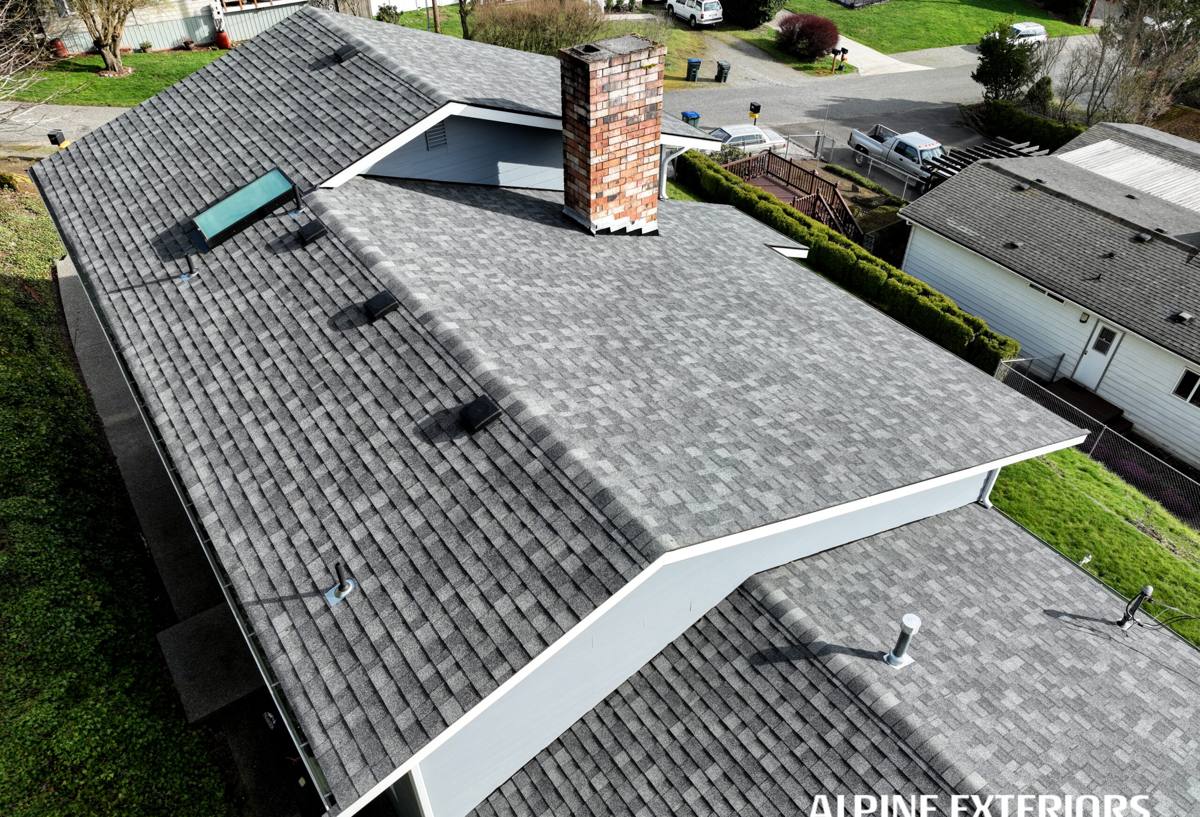
Kendall sits in a part of Whatcom County where a roof rarely gets a break. Long stretches of driving rain in fall and winter, damp shaded lots that hold moisture into the afternoon, and a moss season that can run most of the year all put steady pressure on a shingle roof. Add the salt-laden air that moves through this part of Washington and you have a combination that ages fasteners, flashing, and shingle granules faster than it would in a drier inland climate. None of that means asphalt shingles are the wrong choice for a Kendall home — they're still one of the most practical, cost-effective roofing systems available. It means the installation has to account for this climate from the first layer of underlayment to the last row of ridge cap, not just from the shingle brand on top.
This page covers what a correctly built asphalt shingle roof looks like for a Kendall property, what our process involves, and why local installation experience matters more here than the marketing on a shingle wrapper.
What Kendall's Climate Actually Does to a Shingle Roof
Moss and Organic Growth
Moss is the most visible problem on roofs around here, and it's more than cosmetic. Moss holds moisture against the shingle surface, works into the granule layer, and over years can lift shingle edges enough to let wind-driven rain underneath. North-facing slopes and roofs shaded by mature trees are the most exposed. A roof that isn't detailed to shed water quickly and dry out between storms gives moss exactly the conditions it needs to take hold.
Driving Rain and Wind-Driven Moisture
Rain in this region doesn't always fall straight down. Wind pushes it sideways under eaves, into valleys, and around penetrations like vent stacks and chimneys. Standard installation shortcuts — thin underlayment, minimal ice and water shield, loose flashing — that might hold up in a milder climate tend to fail here within a handful of seasons.
Salt Air and Metal Fatigue
Homes closer to the water and even well inland in this region see some benefit of maritime air moving through the county. Salt-laden moisture accelerates corrosion on exposed metal — nail heads, flashing, gutter hardware — which is why fastener and flashing choice matters as much as the shingle itself.
Choosing the Right Shingle System for a Kendall Roof
Not every asphalt shingle product performs the same way in this climate. We steer Kendall homeowners toward systems that are matched to sustained moisture exposure rather than the lowest sticker price.
| Shingle Type | Typical Lifespan Here | Best Fit | Trade-offs |
|---|---|---|---|
| 3-tab shingle | 15–20 years | Budget-conscious re-roofs, rental or secondary structures | Lower wind rating, less algae resistance, shows moss growth sooner |
| Architectural (laminate) shingle | 25–30 years | Most Kendall homes | Higher upfront cost, but better wind rating and moisture shedding |
| Impact-resistant / algae-resistant architectural | 25–30+ years | Shaded lots, north-facing roofs, homes with heavy moss history | Higher material cost; copper or zinc granule technology needed to actually suppress algae/moss over time |
We don't push premium products as a blanket rule — a well-shaded lot with a moss history gets a different recommendation than an open, sunny roof plane. That's a conversation we have on-site, not a one-size answer.
What a Correct Installation Involves
The shingle itself is the least important variable in how long a roof lasts. What's underneath and around it decides whether the roof holds up to this climate.
Deck Inspection and Repair
Before anything goes down, the roof deck gets inspected for soft spots, rot, or delamination — common where a previous roof let moisture sit too long. Any damaged sheathing gets replaced, not covered over.
Ice and Water Shield
Self-adhering waterproof membrane goes down at eaves, valleys, and around every penetration — the spots where wind-driven rain and ice damming cause the most damage. This is not optional in our process regardless of what the shingle warranty requires.
Synthetic Underlayment
A full synthetic underlayment across the rest of the deck adds a second line of defense and holds up far better than older felt products in a climate this wet.
Flashing
Step flashing at walls, counter-flashing at chimneys, and properly lapped valley flashing keep water moving off the roof instead of finding a way in. Reused or patched flashing from a prior roof is a common failure point we won't build a new roof on top of.
Ventilation
Balanced intake and exhaust ventilation keeps the attic dry and temperature-regulated, which protects the underside of the deck and helps prevent the condensation that can feed rot and mold in a damp climate like this one.
Fastening
Correct nail placement, count, and depth per shingle — not staples, not overdriven or underdriven nails — is what keeps a roof intact through Whatcom County's winter wind events.
Our Process for a Kendall Roofing Project
- On-site inspection — we walk the roof (or use a ladder/drone assessment where access is limited), check the deck, flashing, ventilation, and moss/moisture history specific to your lot and tree cover.
- Written estimate — a clear scope covering tear-off, deck repair allowance, underlayment, flashing, shingle selection, and ventilation, so there are no surprise line items mid-project.
- Tear-off and deck assessment — full removal of the old roofing so the deck can actually be inspected, not roofed over.
- Installation — ice and water shield, underlayment, flashing, shingles, and ridge vent installed in sequence, with attention to valleys and penetrations.
- Cleanup and magnetic sweep — job site and yard cleared of debris and stray fasteners.
- Final walk-through — we review the finished roof with you before calling the job complete.
Moss Prevention and Long-Term Maintenance
A new roof still needs upkeep in this climate. A few habits make a real difference in how long a Kendall roof stays moss-free and watertight:
- Trim back overhanging branches to let more sun and airflow reach shaded roof planes
- Keep gutters and valleys clear of needles and leaf litter, especially heading into fall rains
- Have moss physically removed (not power-washed, which can strip granules) rather than left to spread
- Check and reapply zinc or copper strip treatments periodically if your roof has them
- Schedule a roof check after major wind events to catch lifted shingles or flashing early
- Avoid walking the roof unnecessarily — foot traffic damages granule surfaces and shortens shingle life
Repair or Replace? Reading the Signs
Not every roofing problem on a Kendall home means a full replacement. Isolated flashing failures, a handful of wind-damaged shingles, or a moss-related leak around a single penetration can often be repaired. Full replacement makes more sense when granule loss is widespread, the shingles are past their rated lifespan, multiple leaks are showing up in different areas, or the deck itself has moisture damage that a patch repair won't fix. We'll tell you honestly which category your roof falls into rather than defaulting to the larger job.
Cost Factors for a Kendall Roof
| Factor | Why It Matters |
|---|---|
| Roof size and pitch | Steeper roofs and larger square footage increase labor and material needs |
| Deck condition | Rotted or delaminated sheathing found at tear-off adds repair cost |
| Number of valleys, penetrations, and layers | More flashing detail work and possible extra tear-off labor for multiple existing layers |
| Shingle tier selected | 3-tab vs. architectural vs. algae-resistant architectural changes material cost directly |
| Access and site conditions | Steep driveways, limited yard access, or tall trees can affect setup and disposal logistics |
We give a real number after seeing the roof in person — broad estimates over the phone aren't reliable enough to plan a project around, especially once deck condition is a factor.
Why Local Roofing Experience Matters in Kendall
A crew that regularly works Whatcom County roofs already knows which slopes in this area hold moss longest, how the local wind patterns tend to lift shingles at valleys and eaves, and which flashing details actually hold up to a wet Pacific Northwest winter rather than just passing a one-time inspection. That local pattern recognition shows up in the details — where extra ice and water shield gets added, how ventilation gets balanced for a shaded lot, and what maintenance schedule actually makes sense for your specific roof plane and tree cover. It's the difference between a roof that looks right on install day and one that's still performing well after several wet seasons.
If you're planning a re-roof or want an honest read on whether your current roof needs repair or replacement, we're happy to take a look. Reach out for a free, no-pressure estimate using the form below.