 Lynden Window
 Storm Damage Roof Repair Built for Custer's Weather
Custer sits close enough to the water that its roofs deal with a different set of pressures than homes further inland around Lynden. Open exposure to wind coming off the Strait of Georgia, driving rain that hits roof planes sideways instead of straight down, and a moss season that barely takes a break all combine to wear roofs out faster here than a general climate estimate would suggest. When a storm rolls through and does real damage, that damage often shows up in ways that aren't obvious from the ground.
This page is about one thing: storm damage roof repair for homes in and around Custer. Not a general roofing overview, not a sales pitch for a full tear-off you don't need. Just what local homeowners should know about getting storm damage assessed and fixed correctly, the first time.
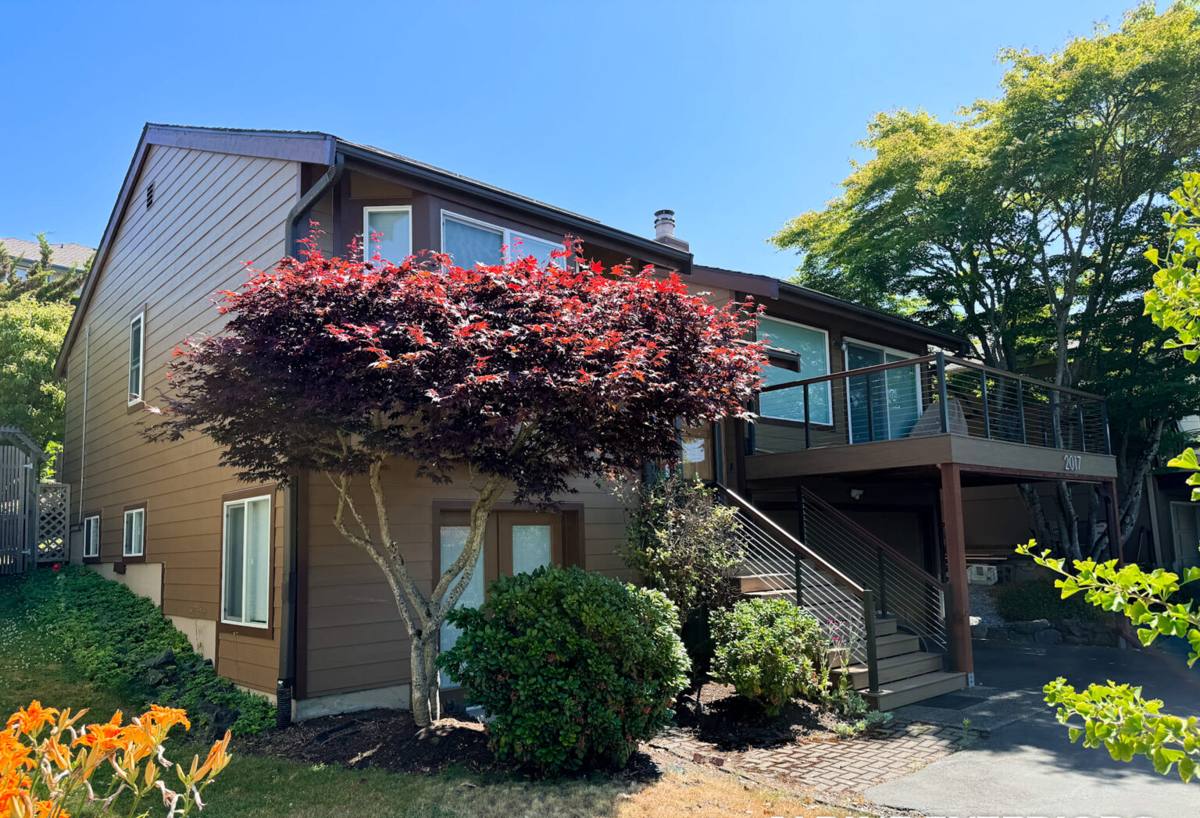
Why Custer Roofs Take a Different Kind of Beating
Whatcom County gets its share of wind and rain no matter where you live in it, but proximity to open water changes the equation. Homes in Custer are more exposed to sustained wind during winter storms than roofs tucked into town lots with more tree cover and neighboring structures breaking up the airflow. That wind doesn't just push rain — it drives it up under shingle tabs, through aging flashing, and into any gap that's already been weakened by age or a prior storm.
Salt-laden air is the other piece of this. It doesn't have to be a beachfront property to feel the effect — airborne salt travels with the wind and settles on roofing materials, fasteners, and flashing over time. Metal components corrode faster. Sealants and adhesives break down sooner than the manufacturer's rated lifespan would suggest. A roof that would hold up for decades in a dry inland climate can show real wear a good decade earlier out here.
Then there's moss. The Pacific Northwest's long wet season gives moss and algae months to establish themselves on north-facing slopes and shaded valleys, and Custer's marine-influenced dampness only extends that window. Moss holds moisture against the roof surface, works its way under shingle edges, and lifts them just enough for wind-driven rain to get underneath during the next storm. A roof that's already carrying moss growth is more vulnerable to storm damage than a clean one, which is why the two issues are worth talking about together rather than separately.
Signs Your Custer Home May Have Storm Damage
Some storm damage is obvious — a missing section of shingles, a tree limb through the decking, a soffit torn loose. Most of it isn't. The damage that causes the most expensive problems down the road is usually the kind that doesn't announce itself right away. After any significant wind or rain event, it's worth checking for:
- Shingles that look curled, cracked, or lifted at the edges, especially on the roof faces that took the wind head-on
- Granules collecting in gutters or at downspout outlets — a sign the shingle surface is being stripped away
- Soft spots or slight sagging when walking the attic, which can mean water has already reached the decking
- New or worsening water stains on ceilings or upper interior walls
- Flashing around chimneys, vents, or skylights that looks bent, lifted, or separated from the surface
- Gutters pulling away from the fascia or showing new dents from debris impact
- Daylight visible through the roof deck from inside the attic
- A musty smell in upper rooms or closets that wasn't there before the storm
None of these alone means you need a new roof. But any of them is a reason to get a professional set of eyes on the roof before the next storm turns a small leak into a structural repair.
What a Correct Storm Damage Repair Actually Involves
Immediate Mitigation
If a storm has left your roof open to the weather, the first job is stopping further water intrusion — not scheduling a full repair three weeks out. That usually means a proper tarp-down or temporary patch that's actually secured against wind, not just draped and weighted. A poorly done temporary fix can do more damage than the original storm event if it fails in the next round of weather.
A Real Inspection, Not a Drive-By
A correct storm damage repair starts with getting on the roof, not just looking at it from the driveway. That means checking the decking underneath for soft spots, inspecting flashing at every penetration, checking the condition of the underlayment where shingles have lifted, and looking at ventilation components that are often overlooked but frequently damaged in high wind. Salt air corrosion on nails, vent boots, and metal flashing has to be checked specifically here — it's not something every crew from outside the area thinks to look for.
Matching Materials and Method
Repairs should match the existing roofing system in material, color, and installation method as closely as possible. A patch job that uses mismatched shingles or the wrong fastening pattern for the wind exposure this area gets is a repair that's likely to fail again in the next storm season. Flashing that's replaced should be sized and formed to shed water the way the original design intended, not just caulked over.
Sealing Against the Next Storm, Not Just This One
Because Custer homes see repeat wind-driven rain events, a storm repair should account for what's coming, not just what already happened. That means proper sealing at repair edges, checking that surrounding shingles are still adequately fastened, and flagging any moss or debris buildup nearby that could undermine the new work.
Repair vs. Replace: How We Decide
Not every storm-damaged roof needs full replacement, and not every roof that looks rough from the ground is actually a repair candidate. The right call depends on a few honest factors:
| Factor | Leans Toward Repair | Leans Toward Replacement |
|---|---|---|
| Age of roof | Under 12-15 years, otherwise healthy | Near or past expected service life |
| Extent of damage | Isolated to one section or slope | Widespread across multiple roof planes |
| Decking condition | Solid, no rot or soft spots found | Soft, delaminated, or water-damaged decking |
| Moss/algae history | Light, treatable growth | Long-term moss damage under multiple shingle courses |
| Prior repairs | First storm event on this roof | Multiple past patches in the same area |
We'll always give you a straight answer on which side of that line your roof falls on, with the reasoning behind it — not a recommendation built around whichever job is bigger.
Working With Your Insurance Company
Most storm damage repairs in this area involve an insurance claim, and the process goes smoother when the contractor documenting the damage understands what an adjuster needs to see. That means clear photos of the damage before any repair work covers it up, a written scope that matches what actually happened in the storm, and being available to meet an adjuster on-site if that's part of your insurer's process. We document damage thoroughly and give you paperwork you can hand straight to your claims adjuster — we're not a public adjuster and won't negotiate your claim for you, but we'll make sure the roofing side of your documentation holds up.
Our Process, Start to Finish
- Call or request an estimate — tell us what happened and when, and whether you need emergency tarping first
- On-site inspection — we get on the roof, check the decking, flashing, and full extent of the damage, not just the visible part
- Written estimate — a clear scope of work and cost range, with repair vs. replacement explained honestly
- Insurance documentation — photos and a written report you can submit with your claim, if applicable
- Scheduled repair — matched materials, proper flashing and sealing work, cleanup when finished
- Final walk-through — we show you what was done and what to watch for going forward
Why a Crew That Already Works Custer Matters
A roofing crew that spends most of its time on the drier, more sheltered side of Whatcom County isn't necessarily thinking about salt air corrosion on flashing nails or how moss builds up differently on a roof exposed to steady marine moisture. A crew that regularly works homes in and around Custer already knows what wind-driven rain does to shingle edges out here, what materials hold up against the salt exposure, and how fast moss can undo a repair if it isn't addressed at the same time.
There's a practical side to this too. Storm damage doesn't wait for a convenient time, and when a bigger weather system moves through Whatcom County, a contractor with local routes and existing customers nearby can usually respond faster than one dispatching a crew from further away. Familiarity with local building patterns, common roofing profiles used in the area, and the specific way storms hit this stretch of the county all add up to a repair that's built for the conditions it actually has to survive.
Get a Straight Answer on Your Roof
If your Custer home has taken storm damage, or you're not sure whether what you're seeing after the last round of weather is a real problem, we're happy to take a look. We'll give you a free, no-pressure estimate and an honest read on whether you're looking at a repair, a bigger job, or nothing to worry about yet — just fill out the form below to get started.