 Lynden Window
 Energy-Efficient Windows for Custer Homes
Custer sits close enough to the water that homes here take a different kind of weather beating than houses a few miles inland in Lynden proper. Salt-laden air off the coast, wind-driven rain that finds its way sideways under trim and around poorly sealed frames, and a moss season that runs longer than most homeowners realize all work on a window's weak points year after year. When we talk about energy-efficient windows for a Custer property, we're not just talking about a lower heating bill in January. We're talking about a window system that can actually hold up to this specific corner of Whatcom County without failing early.
This page covers what that means in practice: what the local climate does to windows over time, what a correct installation actually involves, how we approach the job, and why it matters to hire a crew that already knows this area rather than one working from a generic checklist.
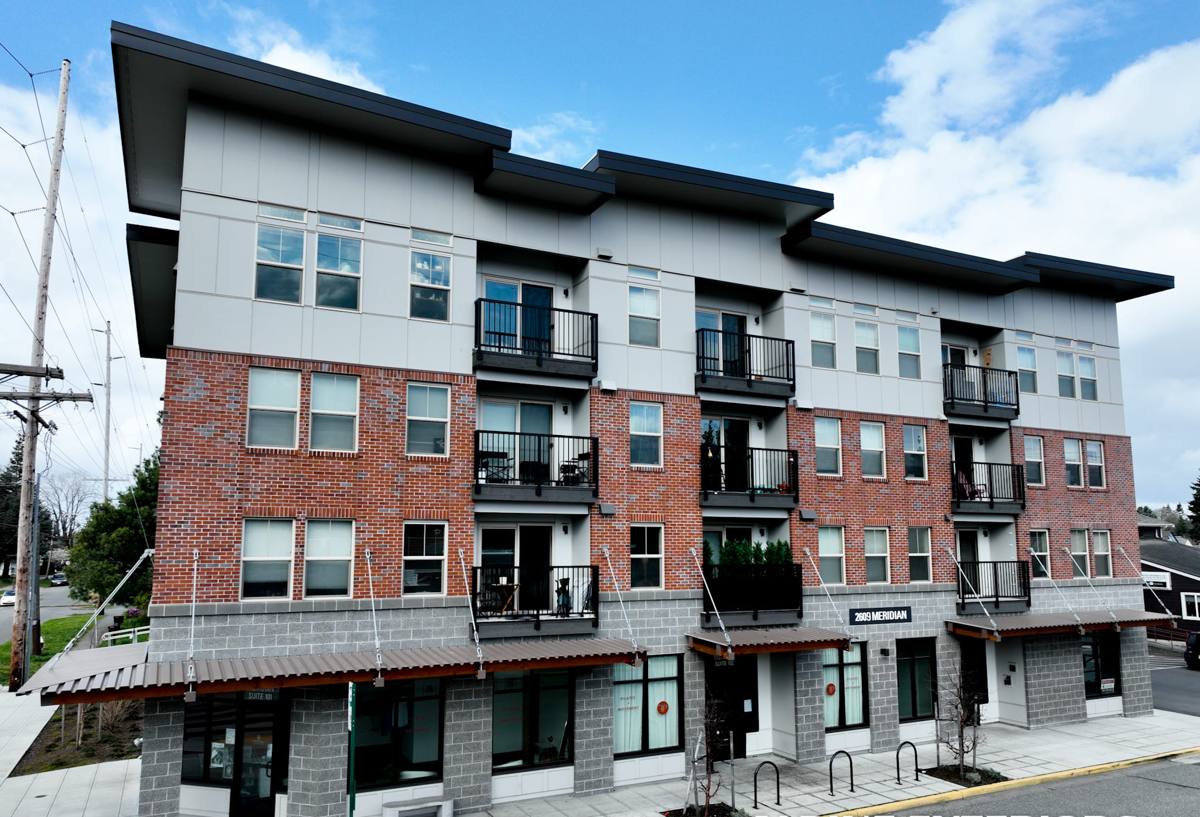
What Custer's Climate Does to Windows Over Time
Salt Air and Metal Components
Homes closer to the water deal with airborne salt that settles on hardware, screens, and exposed metal over time. On windows, this shows up as pitting or corrosion on hinges, locks, and balance hardware long before the glass or frame itself is a problem. Cheaper hardware finishes give out first — which is why hardware quality matters more here than it would on a window going into a home 20 miles inland.
Driving Rain and Wind-Driven Moisture
Whatcom County storms don't always arrive straight down. Wind off the water can drive rain sideways into a wall assembly, and a window that's fine in a light rain can leak under sustained, wind-pushed weather if the flashing and sealant details weren't done right the first time. This is less about the window unit itself and more about how it was installed — flashing sequence, sill pan detailing, and sealant placement matter as much as the window's rating.
Moss, Shade, and Prolonged Dampness
A long moss season means more months where wood trim, sills, and cladding around windows stay damp longer than they would in a drier climate. Moss and lichen hold moisture against wood and painted surfaces, which accelerates rot at window sills and casings if those areas aren't detailed and maintained properly. It's a slow problem — often invisible until a sill is already soft.
Signs a Custer Home May Need Window Attention
Most window problems don't announce themselves with a dramatic failure. They show up as small, easy-to-ignore signs first. Worth checking for:
- Visible fogging or a hazy film between panes (a sign the seal has failed and the insulating gas has escaped)
- Drafts you can feel near the frame even with the window fully latched
- Soft or discolored wood at the sill, especially on north- and west-facing windows that stay shaded and damp longer
- Difficulty locking, latching, or fully closing a window — often a sign the frame has shifted or swollen
- Condensation forming on the inside of the glass regularly, even in normal indoor humidity
- Rust streaks or corrosion visible on hardware, hinges, or screen frames
- Noticeably higher heating costs compared to similar-sized homes nearby
Any one of these on its own isn't necessarily an emergency, but a few showing up together on the same window usually means it's past due for a real evaluation rather than another round of caulk.
What a Correct Energy-Efficient Window Job Actually Involves
Frame Material Choices
Vinyl, fiberglass, and wood-clad frames all perform differently in a coastal, wet climate. Vinyl is a solid, low-maintenance choice for most Custer homes — it doesn't corrode from salt air and handles moisture well, though quality varies a lot between manufacturers. Fiberglass costs more but resists expansion and contraction better across temperature swings and holds paint longer if you want a custom color. Wood-clad windows can look great, but the cladding has to be detailed carefully at every joint, because any gap becomes a spot for moisture to work into the wood underneath — a real consideration given how long things stay damp here.
Glass Packages That Make Sense for This Climate
Double-pane, low-E glass with argon fill is the practical baseline for most homes in this area — it balances cost against real performance gains in heat retention and reduced condensation. Triple-pane glass adds another layer of insulation and can help with sound and comfort near colder rooms, but it's a heavier unit and a bigger investment, so it makes the most sense for specific rooms (a north-facing bedroom, a drafty addition) rather than a blanket upgrade on every opening.
Flashing, Sill Pans, and Sealant — the Part That Actually Prevents Leaks
The window unit itself gets most of the attention, but the flashing and sealing details around it are what actually keep wind-driven rain out. A correct install includes a sloped sill pan so any water that gets past the sash drains back outside instead of sitting against the sill, properly lapped flashing tape integrated with the house wrap, and sealant placed at the right points — not everywhere, since sealing the wrong spot can trap moisture instead of releasing it. This is where a lot of lower-cost installs cut corners, and it's exactly the detail that matters most in a driving-rain climate.
Comparing Frame Options for Coastal Whatcom County Homes
| Frame Type | Salt Air Resistance | Moisture Handling | Maintenance |
|---|---|---|---|
| Vinyl | Strong — won't corrode | Good, if properly flashed | Low |
| Fiberglass | Strong | Very good — minimal expansion/contraction | Low to moderate |
| Wood-clad | Depends on cladding detail | Requires careful detailing at joints | Higher — cladding seams need periodic checks |
| Aluminum | Weak without upgraded coatings | Poor thermal performance | Moderate |
For most Custer homes, vinyl or fiberglass frames make the most sense given the salt air and sustained dampness — aluminum in particular tends to underperform both thermally and in terms of long-term corrosion resistance this close to the water.
How We Approach a Window Job in Custer
- On-site assessment — we look at each window's exposure (which walls take the most wind and rain, which stay shaded and damp), not just the unit itself.
- Honest scoping — some windows need full replacement, others just need re-flashing, new hardware, or sill repair. We tell you which is which rather than defaulting to replace-everything.
- Product selection based on exposure — window and glass package recommendations are based on where that specific opening sits on the house, not a one-size answer for the whole home.
- Proper removal and prep — checking the existing sill and framing for hidden rot before the new unit goes in, since installing a new window over damaged framing just hides the problem.
- Correct flashing and sealing sequence — sill pan, flashing tape, and sealant placement done in the right order, not just caulked around the edges.
- Final check and walkthrough — operation, locking, and a look at the finished exterior detailing before we call it done.
What Affects the Cost of a Window Project
| Factor | Why It Matters |
|---|---|
| Number of windows | Full-home replacement vs. targeted repair or upgrade of a few problem windows |
| Frame material | Vinyl is generally the most budget-friendly; fiberglass and wood-clad cost more upfront |
| Glass package | Double-pane low-E is standard cost; triple-pane adds cost per unit |
| Condition of existing framing | Hidden rot or water damage found during removal adds repair work before the new window goes in |
| Window size and style | Custom shapes, larger openings, or specialty operating styles (casement, awning) cost more than standard double-hung sizes |
| Access and site conditions | Second-story or hard-to-reach windows take more labor time |
We'd rather walk your home and give you real numbers than throw out a broad estimate that doesn't reflect what's actually going on with your windows.
Why It Matters to Hire a Crew That Already Works Custer
A contractor who mostly works drier, inland jobs can still do competent work, but they're not necessarily thinking about salt-air hardware corrosion, wind-driven rain patterns off the water, or how long moss-holding moisture sits against a sill in this specific area. We work throughout Lynden and the surrounding Whatcom County communities, including Custer, and that means we've seen how windows in this exact environment actually fail over time — not just how they're supposed to perform on a spec sheet. That local pattern recognition shapes which frame materials we recommend, how we detail flashing on exposed walls, and what we flag during an inspection before it becomes a bigger repair.
It also means we're not learning the local permitting and building requirements on your job — we already know what's expected for exterior work in the area, which keeps the project moving without unnecessary delays.
Get a Straightforward Estimate
If you're noticing drafts, fogged glass, sticking sashes, or soft spots at the sill on a Custer home, it's worth having someone take an honest look before those small issues turn into a bigger repair. Fill out the form below for a free, no-pressure estimate — we'll walk the property, tell you what we actually see, and lay out your options without pushing you toward the most expensive one.