 Lynden Window
 Siding Repair in Blaine: A Small Job in a Demanding Climate
Blaine sits on the water at the northern edge of Whatcom County, and that position shapes how siding ages here more than almost anywhere else in the county. Salt-laden air off Semiahmoo Bay and Drayton Harbor, rain that comes in sideways during winter storms, and a moss season that can run most of the year all put steady, cumulative stress on exterior walls. A cracked board or an open joint that would sit quietly for years in a drier inland town tends to turn into a real moisture problem here much faster.
We're based in Lynden, a short drive down the road, and Blaine is regular territory for our crew. Siding repair calls here look different from repair calls we get further inland — not because the construction is different, but because the climate exposes bad details faster and forgives less. This page is about that one job: repairing existing siding on a Blaine home correctly, rather than patching it in a way that just delays the next problem.
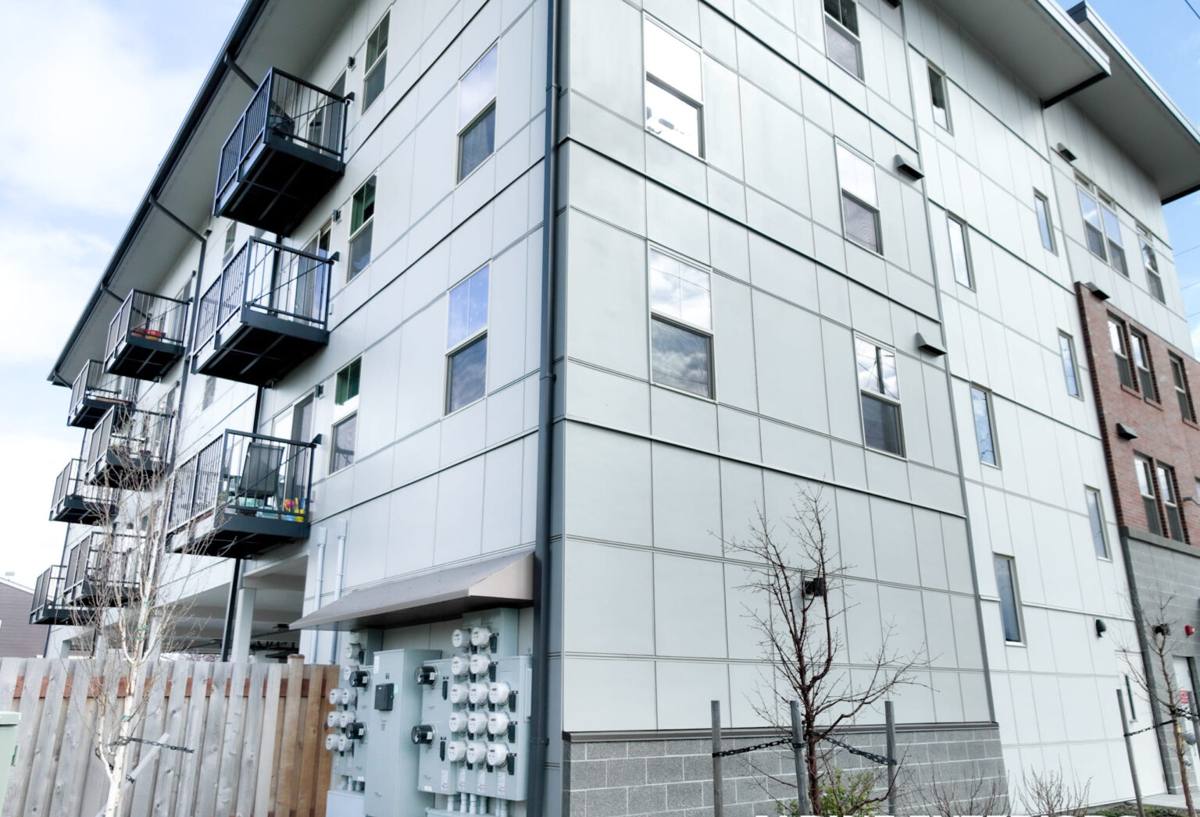
What Blaine's Climate Does to a Repair Job
Salt Air Works on Everything Metal and Painted
Fasteners, flashing, and trim take a steadier dose of salt exposure in Blaine than they would even a few miles inland. That accelerates corrosion on anything that isn't genuinely corrosion-resistant, and it wears down lower-grade paint and caulk faster than a dry climate ever would. A repair that reuses corroded fasteners or skips a proper sealant for the exposure it's actually facing tends to fail again sooner here than the same shortcut would elsewhere.
Driving Rain Finds the Weak Point
Storms coming off the water push rain sideways into siding joints, trim transitions, and anywhere flashing has come loose or was never quite right to begin with. That means a repair has to actually shed water under wind pressure, not just look sealed on a calm day. A patch that would hold up fine under straight-down rain can still let water in under Blaine's wind-driven conditions if the lap and flashing details aren't right.
A Moss Season That Rarely Fully Stops
Mild temperatures and near-constant moisture give moss a long growing season on shaded and north-facing walls. Moss holds water against a surface far longer than open air ever would, and any repair done on or near a mossy section needs to account for that ongoing moisture load, not just fix the visible damage and move on.
Common Repair Issues We Find on Blaine Homes
Most of the repair calls we get in Blaine fall into a handful of recurring patterns:
- Cracked or split boards from impact, age, or material fatigue, often at butt joints where two boards meet
- Failed caulk and open joints around windows, doors, corner trim, and board seams, usually the first thing to go under sustained wind-driven rain
- Hidden rot or soft sheathing behind siding that looked fine from a few feet away, found once a section is opened up
- Corroded or backed-out fasteners, sometimes with rust streaking down the face of the siding
- Moss and mildew buildup on shaded sections that's holding moisture against the surface longer than it should
- Old repairs done wrong — boards face-nailed instead of blind-nailed, mismatched caulk instead of proper flashing, or patches that never addressed the water source in the first place
That last one comes up more than people expect. A repair that only addresses the visible symptom, without checking where the water is actually getting in, is often why a homeowner calls a second contractor a year or two later for the same wall.
Repair or Replace? Making the Right Call
Not every damaged section needs a full re-side, and not every repair is worth doing instead of planning for replacement. The honest answer depends on how far the damage has spread and what's underneath it once we actually open the wall up.
| Situation | Usually a Repair | Usually Points to Replacement |
|---|---|---|
| Damage extent | Isolated to one or two boards or a single wall section | Spread across multiple elevations or recurring in the same spots |
| Sheathing condition | Dry and solid once the section is opened | Soft, delaminating, or already showing rot behind several boards |
| Repair history | First repair call for this section of the house | Third or fourth patch attempt on the same wall over the years |
| Material on the wall | Sound James Hardie fiber cement with isolated damage | Vinyl, cedar, or engineered wood showing widespread age-related wear |
| Cause of damage | Impact, isolated fastener failure, one bad caulk joint | Systemic moisture intrusion from failed flashing or house wrap |
We'll tell you plainly which category a given wall falls into. Repairing a sound wall with one damaged section is usually the right call and the better value. Repeatedly patching a wall that's telling you it's done is usually just deferring a bigger bill, and we'd rather say that up front than collect a series of small repair invoices for a problem that isn't actually going away.
What Correct Siding Repair Involves
A repair that actually holds up in Blaine's climate follows the same basic discipline every time, whether it's one board or a whole wall section:
- Check behind the damaged area for hidden moisture or soft sheathing before closing anything back up
- Match the replacement material's profile, exposure, and thickness to what's already on the wall
- Re-lap and properly seal house wrap and flashing at the repair boundary, not just around the damaged board itself
- Use corrosion-resistant fasteners set to the correct spacing, especially given how much salt exposure Blaine sees
- Seal butt joints and trim transitions with a sealant rated for the movement and exposure they'll actually face
- Check that the repaired section drains the same way the surrounding wall does, so water doesn't get diverted into a new problem spot
Skipping any one of these usually doesn't show up right away — it shows up a year or two later, often as the same damage returning in a slightly different spot.
Our Repair Process, Start to Finish
- Inspection. We look at the damaged area and the surrounding wall, not just the spot the homeowner called about, since related problems are common a few feet away.
- Diagnosis. We open up enough of the section to check for hidden moisture or sheathing damage before proposing a scope, rather than guessing from the surface.
- Scope and honest recommendation. We tell you whether this is a straightforward repair, a larger repair, or a case where replacement is the more honest answer, and why.
- The repair itself. Matching material, correct flashing and house wrap integration, proper fasteners, and sealant appropriate to Blaine's exposure.
- Verification. We check that the repaired section sheds water the same way the rest of the wall does before we consider the job done.
Why James Hardie Makes Long-Term Repairs Simpler
We install James Hardie fiber cement siding exclusively, and one practical benefit shows up specifically at repair time: Hardie's product lines and ColorPlus finish colors are consistent and well-documented, which makes matching a repaired section to the surrounding wall far more predictable than it is with some other materials. We don't install LP SmartSide, vinyl, Cemplank, Allura, primed spruce, or cedar, and that standard applies to full jobs — but it's worth being direct about what that means for repair work on a home that already has one of those products installed.
We can still make sound, functional repairs on most existing siding types, provided the surrounding material is genuinely in good shape. What gets harder over time on non-Hardie products is color and texture matching, especially on anything with a field-applied finish that's faded unevenly, or engineered wood where cut edges and profiles vary by manufacturer and year. When a wall is past the point where a repair blends in or holds up on its own, that's usually the point where we'll talk about replacing that section — or the whole elevation — with Hardie, which is the only system we fully stand behind for new installation.
Why a Lynden Crew That Already Works Blaine Matters
Diagnosing a repair correctly depends on knowing how a specific climate actually behaves on real walls, not just on a general checklist. A crew that regularly works Blaine has seen where wind-driven rain off the water tends to find gaps first, which walls hold moss the longest through the year, and which quick patch jobs from other contractors tend to fail again within a season. That local pattern recognition is a big part of why the first diagnosis matters — a repair based on a guess costs the same as one based on an actual understanding of how this coastline treats a house, but only one of them holds up.
Being close by in Lynden also means a follow-up visit, if one's ever needed, isn't a hardship for either side. We're not driving in from out of the area for a single job and disappearing afterward.
Get a Free, No-Pressure Estimate
If you've got a cracked board, an open joint, a soft spot, or a repair from a few years back that's starting to look like it didn't quite solve the problem, we're glad to take a look. We'll give you a straightforward read on what's actually going on behind the siding and an honest recommendation — repair, larger repair, or replacement — with nothing oversold. Reach out using the form below to schedule a free, no-pressure estimate.