 Lynden Window
 Birch Bay's Climate Asks More of a Window Than Most Manufacturers Plan For
Birch Bay sits right on the water, and that changes what a window has to survive. Homes a few miles inland in Lynden deal with the same wet Whatcom County winters, but Birch Bay adds salt-laden air, near-constant onshore wind, and driving rain that hits window walls almost horizontally during winter storms. Add the long moss season that keeps everything in this corner of the state damp from October through April, and you've got a building envelope that's under more sustained stress than a standard product spec sheet accounts for.
"Energy-efficient" gets used as a marketing word a lot. Out here it has to mean something specific: a window that keeps its seal, keeps its glazing gas fill, and keeps its hardware working after years of salt exposure and wind-driven moisture — not just a good U-factor on the day it's installed.
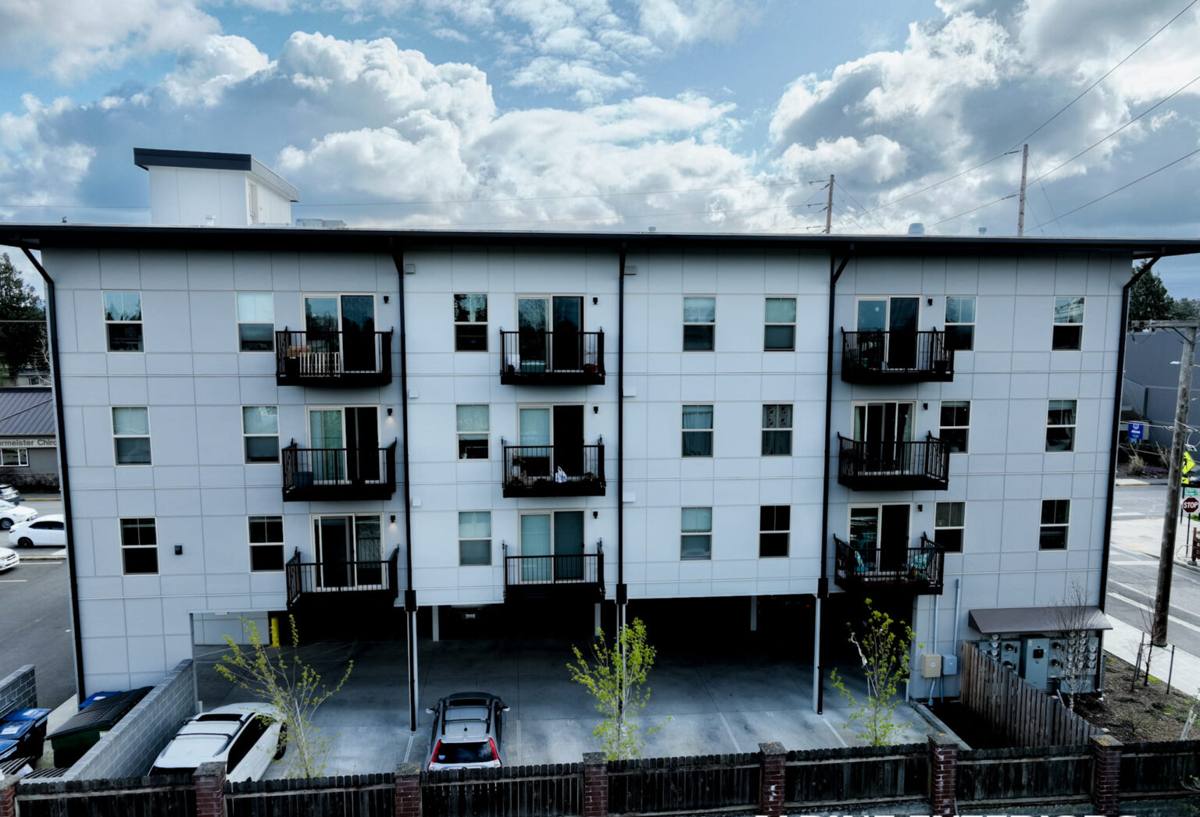
What Energy-Efficient Actually Means for a Coastal Home
A window's efficiency rating is only half the story. The other half is whether that rating holds up under Birch Bay conditions. We look at four things together, not one in isolation:
- U-factor — how much heat moves through the window. Lower is better for our mild but persistently damp winters, where the heating load is more about steady loss than deep cold snaps.
- Condensation resistance — coastal humidity means more moisture in the air year-round. A window with poor condensation resistance fogs on the inside and, over time, feeds mold at the sill.
- Air infiltration rating — this matters more here than in a lot of the state, because wind-driven rain will find any gap and push water through it, not just air.
- Structural/design pressure rating — how much wind load the window and its anchoring can take without flexing the seal.
A window that scores well on paper but has a weak design pressure rating or mediocre condensation resistance will underperform in Birch Bay even if it would be fine in a more sheltered Lynden yard.
Frame Material: What Actually Holds Up Near Salt Air
Frame choice matters more on the coast than almost anywhere else in Whatcom County. Salt air is corrosive to metal hardware and can be hard on certain finishes over a couple decades of exposure.
| Frame Material | Coastal Performance | Trade-Offs |
|---|---|---|
| Vinyl | Doesn't corrode; handles salt air and moisture well | Lower upfront cost; limited color/finish options; can look less premium on higher-end homes |
| Fiberglass | Very stable in temperature swings, resists corrosion, holds paint well | Higher material cost; fewer installers stock a full range |
| Wood-clad | Good insulating value; cladding protects the wood from weather | Any breach in the cladding lets moisture reach the wood core — a real risk with driving rain; needs attentive installation and maintenance |
| Aluminum | Strong and slim sightlines | Poor insulator on its own and more prone to corrosion pitting near salt air unless properly finished; we don't default to it for this area |
We don't rule any of these out categorically — a well-detailed wood-clad window can do fine here — but we tell homeowners up front what each material asks of them in maintenance and installation care, especially this close to the water.
Glass Packages Worth Paying For
Low-E Coatings and Gas Fill
Dual-pane with a low-E coating and argon fill is the baseline we'd recommend for a Birch Bay home. The low-E coating reflects radiant heat while still letting visible light through, and argon fill slows conductive heat loss compared to plain air. Triple-pane is worth pricing out for north- or west-facing walls that take the brunt of wind and weather, but it's not always necessary on every elevation of a home — we'll tell you honestly where the upgrade pays off and where it's unnecessary spend.
Why Condensation Resistance Gets Extra Weight Here
Interior condensation is more common near the water because there's simply more moisture in the ambient air. A glazing package with a strong condensation resistance rating keeps that moisture from collecting on the glass and dripping onto sills and trim, which is where wood rot and mold problems usually start.
Installation Details That Matter More Than the Window Itself
We say this to every Birch Bay customer: the best window on the market will still leak if it's flashed wrong. Given how much driving rain this stretch of coastline gets, water management around the opening is arguably more important than the window unit itself.
- Proper sill pan flashing that directs any water that gets past the window back out, not into the wall cavity
- Head flashing integrated correctly with the house wrap or building paper, lapped so water sheds downward and outward
- Continuous, correctly rated sealant beads — not just at the exterior trim, but at the rough opening itself
- Backer rod and sealant sized to actually accommodate the gap, not just filled in loosely
- Shimming that keeps the frame square without over-compressing weatherstripping
Salt air also means fastener choice matters. We use corrosion-resistant fasteners on coastal installs — a detail that's easy to skip and won't show up as a problem for a few years, which is exactly why it gets skipped by installers who aren't thinking about the long haul.
Our Process for a Birch Bay Job
1. On-Site Assessment
We look at each opening individually — sun and wind exposure, existing flashing condition, any signs of past water intrusion at the sill or header. Birch Bay homes on the water side of the community often need different attention than those set back a block or two.
2. Product Selection Based on Exposure, Not a Default Package
A window on a sheltered south wall doesn't need the same spec as one facing open water and prevailing wind. We size the frame material and glazing package to each elevation rather than quoting one product for the whole house by default.
3. Removal and Opening Prep
Old flashing and sealant get removed, not just covered. If we find rot or moisture damage in the rough opening — which does turn up in older Birch Bay homes — we address it before the new window goes in, not after.
4. Installation and Flashing
Sill pan, window, head flashing, and sealant go in as an integrated water-management system, not a checklist done in isolation.
5. Final Check
We test operation, check reveals are even, and confirm the seal around the full perimeter before we call the job done.
Signs Your Current Windows Are Losing the Battle
If you're not sure whether it's time to replace or just service what you have, these are the signs we see most often in Birch Bay homes:
- Condensation or fogging between the panes — the gas fill has failed and the seal is gone
- Visible corrosion or stiffness in the hardware (locks, cranks, hinges)
- Drafts you can feel even with the window fully latched
- Soft or discolored wood at the sill or interior trim — a sign water has been getting past the seal
- Moss or dark staining building up on the exterior frame faster than on the siding around it
- A noticeable jump in heating costs without any other explanation
Cost Factors to Expect
Every home is different, but these are the variables that actually move the price on a Birch Bay window job — worth understanding before you get quotes:
| Factor | Why It Affects Cost |
|---|---|
| Frame material | Vinyl is typically the most affordable; fiberglass and wood-clad cost more but bring different long-term trade-offs |
| Glazing package | Dual-pane low-E/argon is standard; triple-pane on exposed elevations adds cost but may be worth it on the windward side |
| Opening condition | Any hidden rot or flashing repair needed at the rough opening adds labor before the new window can go in |
| Number and size of openings | Larger or custom-sized units cost more than standard sizes ordered in volume |
| Access and exposure | Second-story or hard-to-access openings on wind-exposed walls take more time to do right |
We give straight, itemized quotes so you can see what you're actually paying for — not a lump number that hides which choices are driving the cost.
Why It Matters That We're a Lynden Crew Already Working Birch Bay
We're based in Lynden and work throughout Whatcom County, which means we're not learning Birch Bay's climate on your job. We already know that a flashing detail that's fine a few miles inland can fail on a house that takes direct wind off the water, and we already know which frame and hardware choices actually hold up to salt air over years, not just on install day. That local track record is worth more than a lower bid from a crew that's never dealt with driving rain hitting a window wall sideways.
If you're weighing whether your Birch Bay windows need replacing or just some attention to their flashing and seals, we're happy to take a look. Fill out the form below for a free, no-pressure estimate — we'll walk the exposures with you and tell you honestly what each opening actually needs.