 Lynden Window
 Roofing Built for Acme's Weather, Not Just Any Weather
Acme sits in the foothills east of Lynden, close enough to the coast to pick up salt-laden air and close enough to the Cascades to see more rain, more shade, and more moss than homes just a few miles west. A roof that performs fine in a dry inland climate can struggle here. The combination of near-constant moisture, wind-driven rain off passing fronts, and tree cover that keeps roof surfaces shaded and damp for long stretches of the year adds up to a specific set of demands: good drainage, solid ventilation, and shingles and flashing details that are installed correctly the first time, because callbacks in this climate tend to mean rot, not just cosmetics.
Asphalt shingle roofing remains the most practical choice for the large majority of homes in this area — it's proven, repairable, and available in grades that hold up well when installed with Whatcom County conditions in mind. This page covers what that actually looks like for a home in Acme specifically: what the climate demands, what a correct installation involves, and how we handle the work from first estimate to final cleanup.
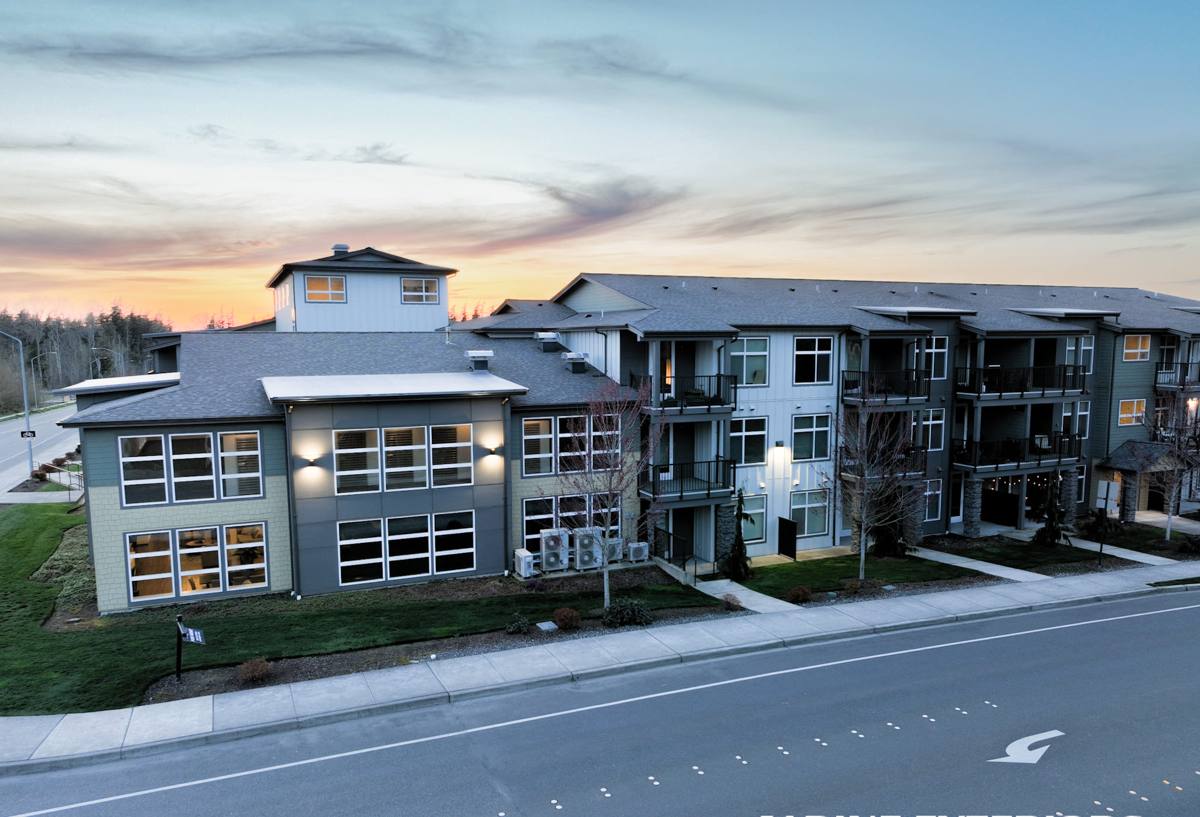
What Acme's Climate Actually Does to a Roof
Driving Rain and Wind-Driven Water
Whatcom County storms don't just drop rain straight down — wind pushes it sideways, up under shingle tabs, and into any gap in the flashing. On a roof with weak sealing at valleys, chimneys, or wall intersections, that wind-driven rain finds its way into the deck long before a homeowner ever sees a stain on the ceiling. This is why flashing detail work matters more here than in drier climates where a roof mostly just has to shed water straight down.
Salt Air and Metal Fatigue
Acme is far enough from Bellingham Bay and the Salish Sea that the salt exposure is lighter than a true waterfront property, but it's still present, especially on homes with open exposure to prevailing winds. Salt air accelerates corrosion on exposed fasteners, flashing, and vents. Roofing components rated for coastal or near-coastal exposure last noticeably longer than bargain-grade hardware that starts showing rust streaks within a few seasons.
A Long Moss Season
Between tree cover, shorter winter daylight, and months of damp weather, north-facing and shaded slopes in Acme can stay wet for weeks at a time. That's exactly the environment moss and algae need to establish. Once moss gets a foothold under shingle tabs, it holds moisture against the roofing material and lifts tabs enough for wind and rain to work their way underneath — which is how a moss problem becomes a leak problem.
What a Correct Asphalt Shingle Installation Involves
A shingle roof is only as good as everything underneath it. Most roofing problems we get called out for in this climate trace back to shortcuts in the layers homeowners never see, not the shingles themselves.
Tear-Off and Deck Inspection
We remove the old roofing down to the deck rather than layering over it. That lets us actually inspect the sheathing for soft spots, rot, or delamination — problems that are common on older Whatcom County homes where a slow leak has been going unnoticed under old shingles. Any damaged decking gets replaced before anything new goes down; roofing installed over a compromised deck fails early no matter how good the shingles are.
Underlayment and Ice-and-Water Barrier
Synthetic underlayment goes down as the primary water barrier beneath the shingles, and self-adhering ice-and-water membrane goes in the vulnerable spots — eaves, valleys, and around roof penetrations — where wind-driven rain and ice damming are most likely to force water backward under the shingles. This is one of the details that separates a roof built for this climate from a roof built for a drier one.
Ventilation
Proper intake and exhaust ventilation keeps the attic close to outside temperature and lets moisture escape instead of condensing against the underside of the deck. In a climate as damp as this one, poor ventilation doesn't just shorten shingle life — it can lead to trapped moisture, mold, and slow rot in the roof structure itself, often long before the shingles show visible wear.
Flashing at Every Transition
Chimneys, skylights, dormers, sidewalls, and valleys are where the vast majority of roof leaks actually start. Correct flashing — step flashing at sidewalls, proper valley metal, counter-flashing where a roof meets a wall — is not optional detail work, it's the difference between a roof that sheds wind-driven rain and one that eventually doesn't.
Shingle Installation and Nailing Pattern
Manufacturer-specified nailing patterns and fastener placement matter for wind resistance, which matters in a region that sees regular winter windstorms. Shingles installed with the wrong nail placement or exposure can look fine for a season or two and then start lifting or blowing off in the first real windstorm.
Choosing an Asphalt Shingle for This Climate
Not every asphalt shingle product is built the same way, and the right choice depends on how exposed the roof is, how much shade and moss risk it carries, and what a homeowner wants to budget for over the life of the roof.
| Shingle Type | Typical Lifespan | Wind Rating | Best Fit |
|---|---|---|---|
| 3-tab asphalt | 15–20 years | Lower | Budget-conscious projects, less wind or tree exposure |
| Architectural (laminated) | 25–30 years | Higher | Most Acme homes — better wind performance and moisture resistance |
| Algae-resistant architectural | 25–30 years | Higher | Shaded lots, north-facing slopes, homes with a moss history |
| Impact-resistant architectural | 25–30+ years | Higher | Homes wanting extra durability against debris and hail-prone weather patterns |
For most Acme properties — especially anything with tree cover or a shaded north slope — we lean toward architectural shingles with algae-resistant granules. The upfront cost difference over basic 3-tab is modest, and it directly addresses the moss and algae pressure that's more aggressive here than in drier parts of the county.
Our Process, Start to Finish
- On-site estimate. We walk the roof (or inspect from the ground and attic when a walk isn't safe or necessary), check the deck condition where visible, and talk through shingle options and cost ranges specific to the home.
- Written scope and timeline. You get a clear breakdown of what's included — tear-off, deck repair allowance, underlayment, flashing, ventilation work, and shingle product — before any work starts.
- Material delivery and site protection. Landscaping, siding, and windows get protected before tear-off begins.
- Tear-off and deck inspection. Old roofing comes off, the deck gets inspected, and any needed repairs are handled before new roofing goes down.
- Underlayment, flashing, and shingle installation. Installed in the sequence and pattern the manufacturer specifies, with extra attention to valleys, penetrations, and wall transitions.
- Cleanup and magnetic sweep. Debris and stray fasteners are cleared from the yard and driveway before we consider the job finished.
- Final walkthrough. We go over the finished roof with you and answer any questions before wrapping up.
Living With a Roof in a Moss-Heavy Climate
Even a well-installed roof needs some ongoing attention in a climate like Whatcom County's. Keeping gutters clear so water isn't backing up under the eaves, trimming overhanging branches to cut down on shade and debris, and addressing moss early — before it lifts shingle tabs — go a long way toward getting the full lifespan out of a shingle roof. We're glad to talk through a maintenance schedule that fits your specific property, especially if it sits in a shaded or heavily wooded part of Acme.
Signs an Acme Roof May Be Due for Attention
- Granules collecting in gutters or at downspout outlets
- Shingle tabs that are curling, cupping, or visibly lifting
- Moss or dark algae streaking on north-facing or shaded slopes
- Daylight visible through the roof deck from inside the attic
- Soft or spongy spots when the roof is walked
- Water stains on ceilings or in the attic after wind-driven rain
- Missing shingles or exposed nail heads after a windstorm
- A roof approaching or past 20–25 years old with original shingles
Any one of these on its own isn't necessarily an emergency, but they're worth a professional look before the next big storm rolls through.
Why a Crew That Already Works Acme Matters
Roofing crews that work this specific area regularly build habits that generic, out-of-area crews don't always carry — sealing details tighter because they know how sideways the rain comes in a winter blow, defaulting to algae-resistant shingles on shaded lots because they've seen how fast moss establishes here, and specifying fasteners and flashing that hold up under sustained damp exposure rather than the bare minimum a spec sheet allows. None of that is exotic. It's just the difference between a roof designed for "average" weather and one designed for Acme's actual conditions.
We also know the practical side of working in this area — permitting expectations in Whatcom County, typical driveway and access considerations on rural and semi-rural Acme lots, and how weather windows in this part of the county tend to run, which affects scheduling for tear-off work in particular.
Get a Straightforward Estimate
If your roof is showing wear, due for replacement, or you just want an honest read on its condition before winter storms roll in, we're happy to take a look. Use the form below to request a free, no-pressure estimate for your Acme home.