 Lynden Window
 Siding Repair Built for Wiser Lake's Climate
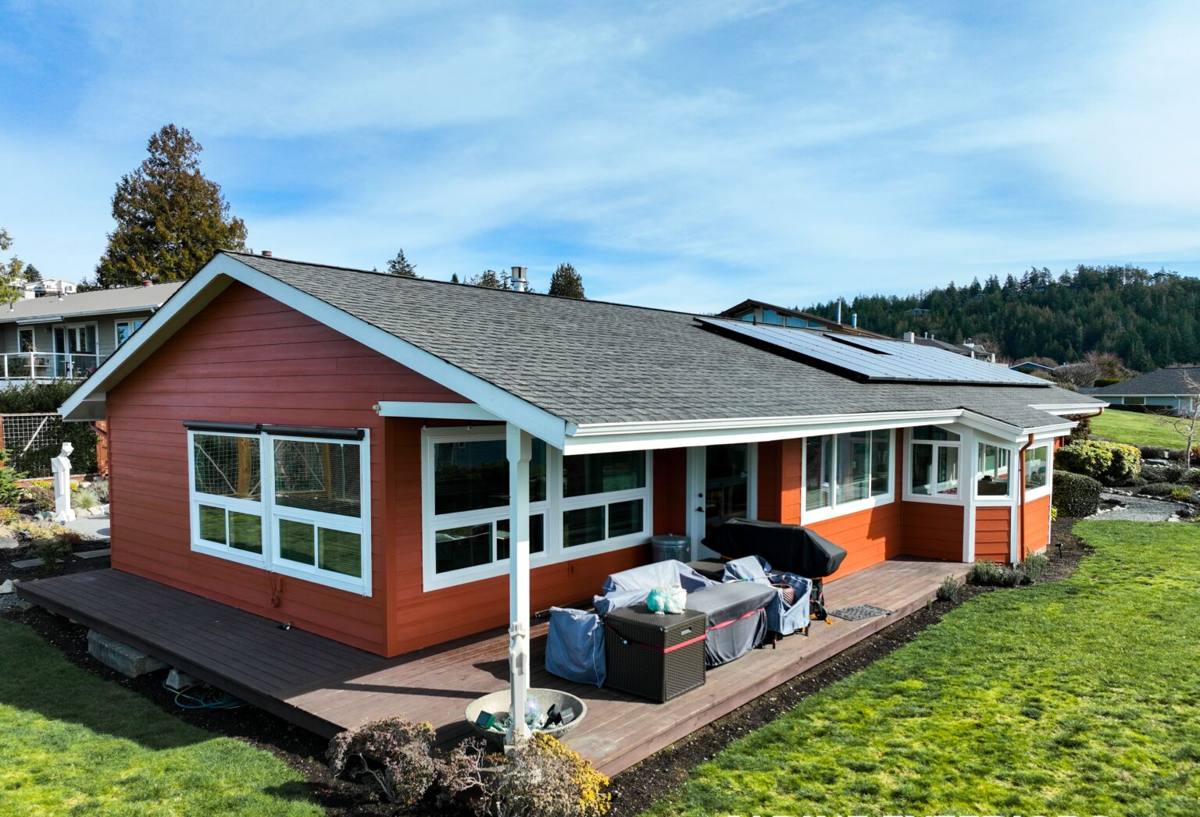
Wiser Lake sits just outside Lynden in a part of Whatcom County where homes deal with more moisture, more shade, and more standing dampness than a typical in-town lot. Between the lake itself, the tree cover that surrounds much of the shoreline and surrounding acreage, and the region's steady diet of driving rain and salt-tinged marine air rolling in off the Sound, exterior siding here works harder than siding on a dry, open, in-town property. That combination is exactly why siding repair requests from this area tend to look different from repair calls elsewhere in Lynden — more moss and algae staining, more moisture trapped behind trim and corner boards, and more damage concentrated on the shaded, lake-facing sides of a house.
A siding repair done right in this neighborhood isn't just about matching a color or patching a hole. It's about understanding why that section failed in the first place and making sure the fix doesn't just cover the problem up for a season before it comes back.
Signs Your Siding Needs Repair, Not Just a Coat of Paint
Paint and caulk can hide a lot of problems temporarily, especially around a lake where mildew stains show up fast on any surface. But painting over the wrong problem usually means paying for the same repair again in a year or two. Homeowners around Wiser Lake should watch for:
- Soft or spongy spots when you press on the siding, especially near the bottom courses or around window and door trim
- Persistent black or green streaking that comes back within weeks of being cleaned
- Visible gaps, cracks, or separation at seams, corners, or butt joints
- Paint that's bubbling, peeling, or failing in the same spots year after year
- A musty smell near an exterior wall, which often points to moisture trapped behind the cladding
- Warping, bowing, or buckling panels, particularly on the north or lake-facing sides of the house
- Small pest or woodpecker damage, which is common where older wood or engineered wood siding has already started to soften
Any one of these on its own might be minor. Several showing up together, especially on the shaded side of a house near the water, usually means moisture has been getting behind the siding for a while.
What's Actually Wearing Down Siding Around Wiser Lake
Moisture That Doesn't Dry Out
A lot of siding damage isn't caused by a single storm — it's caused by moisture that gets in and then never fully dries between rain events. Homes tucked under tree cover near the lake get less direct sun and airflow than an open lot, so wall assemblies stay damp longer. Over time that constant dampness breaks down caulking, softens wood-based trim, and works its way behind poorly flashed seams.
Wind-Driven Rain and Flashing Failures
Whatcom County storms don't just fall straight down — driving rain off the Sound pushes water sideways into siding, especially around window heads, door casings, and butt joints. If flashing was installed poorly, or gaps were sealed with caulk instead of proper flashing and a drainage plane, that's where repeat failures show up first.
A Longer Moss and Algae Season
Shaded, damp lake-adjacent properties support moss and algae growth for a much longer stretch of the year than a sunny, open lot would. Beyond the cosmetic staining, moss holds moisture directly against the siding surface, which accelerates rot in wood-based products and breaks down paint film faster than normal weathering would.
Freeze-Thaw Cycling
Whatcom County winters bring enough freeze-thaw swings that any water already trapped behind or inside siding material can expand and contract repeatedly. That cycle is what turns a small crack into a larger split, and a soft spot into a section that needs to be cut out and replaced rather than patched.
What a Correct Siding Repair Actually Involves
A repair that lasts starts with figuring out why the original section failed — not just replacing what's visibly damaged. That means checking for wet sheathing or framing behind the siding, confirming the weather-resistant barrier underneath is intact, and correcting any flashing detail that let water in to begin with. Patching over a moisture problem without addressing the cause almost always means the same repair comes back within a couple of seasons.
A correct repair typically includes:
- Removing enough surrounding material to expose the actual extent of the damage, not just the visible spot
- Checking sheathing and framing underneath for softness or rot before closing anything back up
- Repairing or replacing the weather-resistant barrier and flashing at windows, doors, and butt joints
- Matching new siding material, reveal, and fastening pattern to the existing wall so the repair doesn't stand out
- Proper caulking and paint or factory-finish touch-up at the seams, done last, not as a substitute for the steps before it
If a contractor's plan for your repair starts and ends with caulk and a paintbrush, ask what they found when they checked behind the damaged section — that answer tells you a lot about whether the fix will hold.
Repair or Replace? How We Help You Decide
Not every damaged section needs a full re-side, and not every repair is worth doing on its own. The right call depends on how widespread the damage is, what's causing it, and how the existing siding is holding up everywhere else. Here's how we generally weigh it:
| Factor | Leans Toward Repair | Leans Toward Replacement |
|---|---|---|
| Extent of damage | Isolated to one or two sections | Spread across multiple walls or elevations |
| Underlying moisture | Localized, source identified and fixable | Widespread rot or sheathing damage |
| Age and condition of siding | Siding is otherwise sound and well-maintained | Siding is near end of life or already failing elsewhere |
| Material match | Matching material is available and will blend well | Original product is discontinued or won't match |
| Cost over time | One-time targeted fix resolves the issue | Repeated repairs would likely cost more than replacing |
We'll walk the exterior with you, explain what we found, and give you an honest recommendation — including telling you when a repair is genuinely the right, more affordable answer.
Why We Repair (and Replace) With James Hardie Fiber Cement
When a repair calls for new siding material, we use James Hardie fiber cement — it's the only siding product we install, on repairs or full re-sides. In a climate like this one, that choice matters. Fiber cement is non-combustible and doesn't feed moisture into wood fibers the way traditional wood or engineered wood siding can. Hardie's HZ5 product line is specifically engineered for climates with prolonged moisture exposure, which describes the Wiser Lake area well. The factory-applied ColorPlus finish also resists the fading and peeling that hits field-painted materials hardest in shaded, damp conditions — meaning a repaired section is more likely to hold its color and finish alongside the rest of the wall long-term.
We've made a deliberate decision not to install vinyl, LP SmartSide, or unfinished wood siding. Vinyl can warp and doesn't hold paint if you ever want to change the color; wood and engineered wood products are more sensitive to the exact moisture conditions that cause the most repair calls in this area; and matching a repair patch to faded, chalking, field-painted siding rarely looks seamless. None of those products are inherently bad — they're just a harder match for a property that already fights moisture and shade as hard as homes around Wiser Lake do, and a harder guarantee for us to stand behind.
Our Process for Wiser Lake Homeowners
- Inspection: We walk the full exterior, not just the spot you called about, and check behind damaged sections to find the actual cause.
- Diagnosis and written scope: You get a clear explanation of what's failing, why, and what fixing it correctly involves — no vague line items.
- Straightforward estimate: A written quote covering material, labor, and any flashing or moisture-barrier work needed, with no pressure to upsell a full re-side you don't need.
- The repair itself: Matched James Hardie material, correct flashing and moisture barrier detailing, and a finish that blends with the rest of your siding.
- Cleanup and walkthrough: We clear debris and walk the finished repair with you before we consider the job done.
Why Local Experience in Wiser Lake Matters
A siding crew that already works this specific area knows what to expect before the first inspection even starts — where moss builds up fastest, which elevations take the worst of the wind-driven rain, and how tree-shaded lake lots differ from open in-town properties just a few miles away. That familiarity means fewer surprises once material is off the wall, a more accurate first estimate, and a repair plan built around how this particular property actually weathers, not a generic assumption about Whatcom County siding in general. It also means we're not guessing at how a rural or lake-adjacent lot's drainage, grading, or tree cover affects the wall assembly — we've seen the pattern before.
If you're noticing moss buildup, soft spots, or paint failure on your siding, we're happy to take a look and give you a straight answer about what it needs. Reach out for a free, no-pressure estimate — there's no obligation, and you'll walk away knowing exactly what's going on with your siding and what it would take to fix it right.