 Lynden Window
 Why Windows Wear Out Faster in This Corridor
Homes in and around Aldergrove sit in a stretch of the Pacific Northwest where the weather doesn't take a day off. You're close enough to the Salish Sea and Georgia Strait to pick up salt-laden air, far enough inland to catch driving rain off the Fraser Valley, and shaded enough through the fall and winter to grow moss on anything that holds moisture for more than a few days. None of that is unique to one house or one street — it's the baseline condition for the whole area, from Lynden across the line into Aldergrove. Windows built or installed without that in mind tend to show problems years before they should.
This page is about one job, done right, for this one area: replacing or installing windows on homes that have to stand up to salt air, wind-driven rain, and a moss season that can run six months or longer.
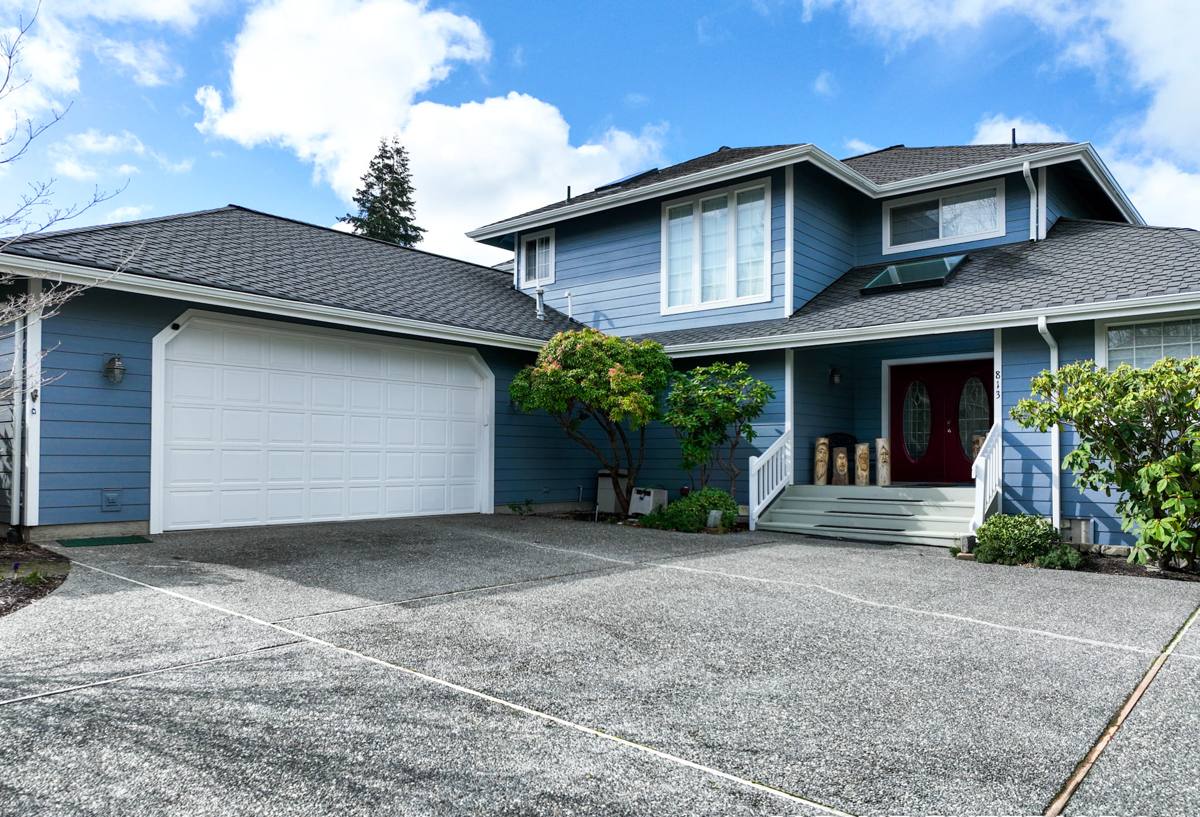
What the Local Climate Actually Does to a Window
Salt Air
Airborne salt doesn't just affect homes right on the water. It travels, and over years it accelerates corrosion on exposed metal hardware — hinges, cranks, locks, and cheaper aluminum components. Once hardware starts pitting or seizing, seals around it are usually next.
Driving Rain
Wind-driven rain doesn't fall straight down, it gets pushed sideways into wall assemblies and window openings. A window that would be fine in a calmer climate can still leak here if the flashing and drainage plane weren't built to handle water hitting the wall at an angle. This is almost always an installation issue, not a window issue — even a good window leaks if it's set into an opening that wasn't flashed to shed water outward and down.
Moss Season
Shaded exposures, especially north- and east-facing walls, stay damp for long stretches of the year. Moss and algae take hold on sills, in corners, and in any spot where water sits instead of draining. Beyond the cosmetic issue, sustained moisture against wood trim or sill material is what eventually leads to soft spots and rot.
Signs Your Current Windows Are Losing the Fight
Most window failure in this climate is gradual, not sudden. Homeowners usually notice one or two of these long before the window fails outright:
- Fogging or a permanent haze between panes (a sign the seal between the glass layers has failed)
- Visible moss, algae, or dark staining on the sill or lower frame
- Drafts you can feel with a hand near the frame on a windy day
- Wood trim or sill that feels soft, spongy, or discolored when pressed
- Windows that are hard to open, close, or lock — often a sign the frame has shifted or swollen
- Paint or finish peeling specifically around the window, even if the rest of the wall looks fine
- A noticeable jump in heating costs with no other explanation
Any one of these on its own isn't an emergency. Several together, especially on the same window, usually means it's cheaper to replace than to keep patching.
What a Correct Installation Actually Involves
The window itself is maybe half the job. The other half is what happens in the wall opening before and around it, and that's the part that determines whether the installation holds up to this climate or fails early. A correct installation includes properly lapped flashing that directs water out and away from the sheathing, a continuous weather-resistant barrier tied into the existing wall wrap, back-dammed or sloped sill framing so water can't pool under the window, sealant used at the right points (and not as a substitute for flashing), and hardware and trim reinstalled so the assembly can shed water instead of trapping it.
There are two general approaches, depending on the condition of the existing frame and wall:
| Approach | What It Involves | Best Fit |
|---|---|---|
| Insert / retrofit replacement | New window fits inside the existing, sound frame; less disruption to siding and interior trim | Existing frame is square, dry, and structurally sound |
| Full-frame replacement | Old frame removed down to the rough opening; new flashing and sill pan installed from scratch | Rot, water damage, or a frame that's out of square |
We inspect the opening before recommending either one. Covering up a soft or damaged frame with a new insert window is the single most common shortcut that leads to a repeat problem a few years later, and it's not one we take.
Choosing Windows Built for This Climate
Frame material and glass package matter more here than in a drier, calmer climate, because the window has to handle moisture, wind pressure, and temperature swings all at once. A few general trade-offs worth knowing before you decide:
| Frame Material | How It Handles This Climate | Maintenance |
|---|---|---|
| Vinyl | Won't rot or corrode; performs consistently in wet, salty air; standard choice for most homes here | Low — occasional cleaning, no painting |
| Fiberglass | Very stable through temperature and moisture changes; strong resistance to warping | Low — more upfront cost, minimal upkeep |
| Wood or wood-clad | Traditional look, but exposed wood needs consistent upkeep in a climate this wet | Higher — regular inspection and refinishing |
| Aluminum | Prone to corrosion and condensation in salt air and cold snaps unless thermally broken | Moderate to high, depending on quality |
Glass packages matter too. Double-pane with a good low-E coating and argon fill is the practical baseline for this area; triple-pane adds cost but pays off most on north-facing walls or homes closer to open water where wind load and heat loss are both higher.
How the Job Runs, Start to Finish
- On-site assessment of the existing windows, frames, and any signs of water intrusion or rot
- A written estimate that spells out the approach (insert vs. full-frame), materials, and timeline
- Ordering windows sized and specified for the actual opening — not a generic stock size
- Careful removal of old windows and trim, with the opening inspected for hidden damage before anything new goes in
- Flashing, moisture barrier, and sill pan work done to shed water outward, followed by window installation, shimming, and insulation
- Exterior trim, caulking, and interior finish work to match the existing house
- A final walkthrough to check operation, seals, and locks on every window before we call it done
Why a Crew That Already Works This Area Matters
Aldergrove sits just across the line from Lynden, close enough that we work this corridor regularly on both sides of the border. That matters for a few practical reasons. We already know how homes in this stretch of Whatcom County and the adjacent Fraser Valley are typically built, what exposures tend to take the worst weather, and where moss and moisture problems usually show up first. We're not learning the climate on your project.
Cross-border residential work also comes with its own logistics — scheduling, paperwork, and getting materials and crew where they need to be on time. We handle that as a normal part of doing business in this area rather than treating it as a special case, and we're happy to walk through exactly how that works for your specific property during the estimate.
What Drives the Cost
Every home is different, but the main variables that move a window installation quote up or down are pretty consistent:
| Factor | Why It Affects Cost |
|---|---|
| Insert vs. full-frame replacement | Full-frame requires more labor and materials to rebuild the opening correctly |
| Frame material and glass package | Fiberglass and triple-pane options cost more upfront than standard vinyl double-pane |
| Number and size of openings | Larger or custom-sized windows cost more than standard sizes |
| Condition of the existing wall opening | Hidden rot or water damage adds repair work beyond the window itself |
| Access and site conditions | Second-story or hard-to-reach windows take more time and equipment |
We'll always break down what's driving your number in plain terms rather than handing over a lump-sum figure with no explanation.
Keeping New Windows Performing After Installation
A correct installation does most of the work, but a little seasonal attention keeps windows performing for the long haul in this climate:
- Rinse sills and frames periodically to clear salt residue and prevent moss or algae from taking hold
- Check exterior caulking once a year, especially after the wettest months, and touch up anything that's cracked or pulled away
- Keep gutters and downspouts clear so runoff isn't sheeting down across window openings
- Operate locks and cranks a few times through the year so hardware doesn't seize from disuse
- Watch for early fogging between panes and address it before it becomes a full seal failure
If your windows in Aldergrove are drafty, fogged, hard to operate, or just older than the rest of the house, we're glad to take a look. The estimate is free, there's no pressure, and you'll get a straight answer about what your windows actually need — just fill out the form below to get started.