 Lynden Window
 New Roofs Built for Sumas Weather, Not Just Sumas Curb Appeal
Sumas sits right up against the Canadian border in northern Whatcom County, and that location comes with a specific weather pattern: cool, wet air moving in off the Pacific, heavy rain events that can linger for days, and enough shade and moisture on north-facing slopes to grow a thick coat of moss before a homeowner even notices it's there. A roof in this part of Washington isn't just shedding water for a few stormy weeks a year — it's dealing with sustained dampness for most of the fall, winter, and spring. When we install a new roof for a Sumas home, we're not installing a generic roofing package. We're building an assembly that's meant to handle this specific climate for the next 25 to 50 years, depending on the material.
That distinction matters more than most homeowners realize. A roofing crew that mostly works drier inland climates will often underspec ventilation, skip moisture-management details, or use underlayment that isn't rated for the number of wet-dry cycles a Whatcom County roof goes through every year. We work this area regularly, so those details aren't an afterthought — they're the starting point.
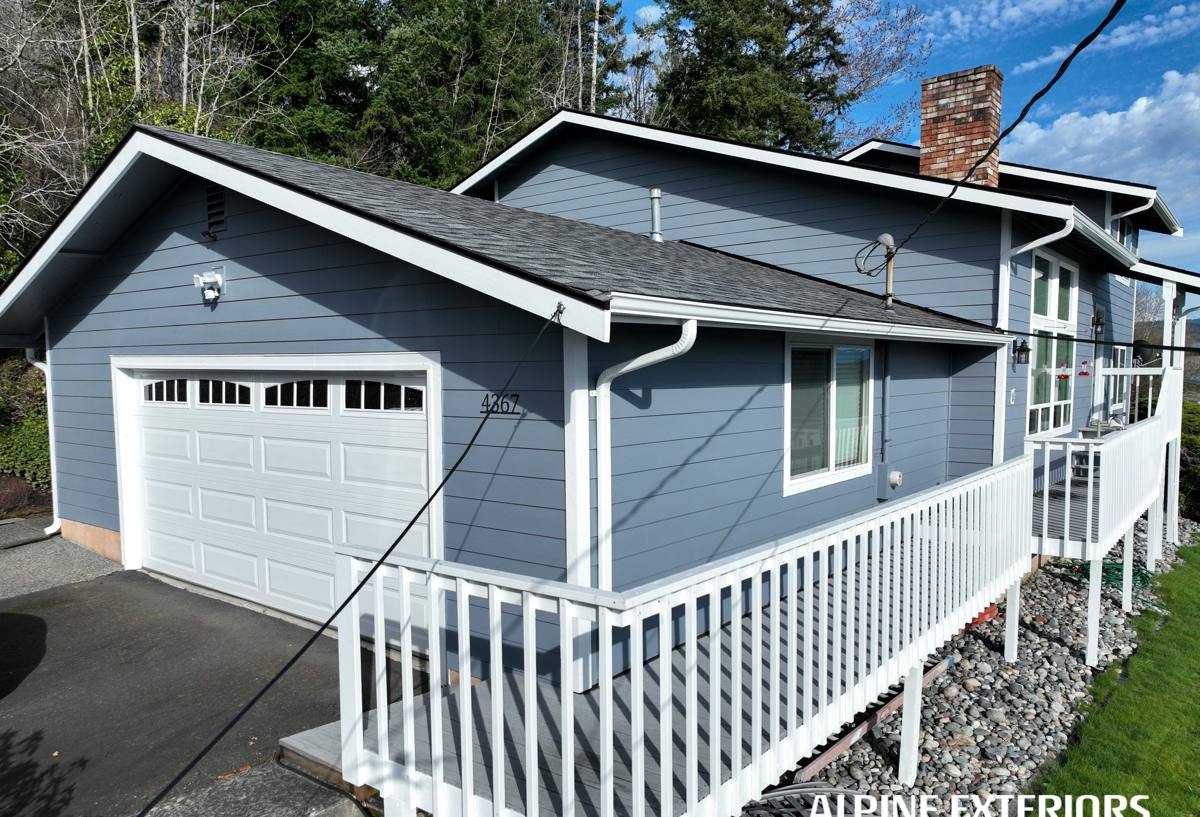
What Sumas Homes Actually Need From a Roof
Moisture Management First
The single biggest threat to a roof in this region isn't wind or hail — it's sustained moisture. Rain that sits on a roof surface for hours or days at a time, combined with shaded areas that never fully dry out, creates the conditions for moss growth, algae streaking, and slow moisture intrusion at fasteners, flashing, and valleys. A correctly installed roof accounts for this from the deck up, not just at the surface layer.
Moss Resistance, Not Just Moss Removal
Moss doesn't just look bad — it holds water against the roof surface, lifts shingle edges, and works its way into seams over time. Some roofing materials resist moss growth better than others, and installation choices (like proper flashing at valleys and reduced shaded debris pockets) can meaningfully cut down how fast it comes back. We talk through moss-resistant material options and reasonable maintenance expectations as part of every estimate — we won't pretend any roof in this climate is maintenance-free.
Wind and Rain-Driven Water
Storms moving through this part of Whatcom County can push rain sideways, which means water doesn't just fall on a roof — it gets driven up under shingle edges and around penetrations like vents and chimneys if those areas aren't properly sealed and flashed. This is one of the most common places we find problems on older Sumas roofs during inspections: not the field of the roof, but the details around penetrations.
What a Correct New Roof Installation Involves
A new roof is more than shingles and nails. Every layer of the assembly does a specific job, and skipping or shortcutting any one of them is where roofs fail early — usually years before the material itself would have worn out.
- Tear-off and deck inspection: Old roofing removed down to the deck, with any soft, rotted, or delaminated sheathing identified and replaced before anything new goes down.
- Ice and water shield at vulnerable areas: Self-adhering waterproof membrane at eaves, valleys, and around penetrations, where the risk of water backing up or driving in is highest.
- Synthetic underlayment across the field: A durable, water-resistant layer that gives the roof a second line of defense if any water gets past the top layer.
- Proper flashing at every transition: Chimneys, skylights, sidewalls, and valleys — the places where two roof planes or materials meet, and where the majority of leaks originate.
- Balanced attic ventilation: Intake at the eaves and exhaust at the ridge, sized correctly for the attic volume, so moisture and heat don't build up and shorten the life of the roof from underneath.
- Correct fastening and exposure: Manufacturer-specified nailing patterns and shingle exposure, which directly affect wind resistance and warranty validity.
- Final cleanup and magnetic sweep: Job site and yard cleared of debris and stray fasteners.
Roofing Material Options for This Climate
There isn't one "right" roofing material for every Sumas home — it depends on budget, roof pitch, house style, and how much long-term maintenance a homeowner wants to take on. Here's how the common options compare for a wet, moss-prone climate like this one:
| Material | Typical Lifespan | Moss/Moisture Behavior | Maintenance Level |
|---|---|---|---|
| Asphalt Composition Shingle | 20–30 years | Moderate moss risk; algae-resistant granule options available | Low to moderate |
| Architectural/Dimensional Shingle | 25–35 years | Better shedding than 3-tab due to profile; still needs periodic moss treatment | Low to moderate |
| Metal Roofing | 40–50+ years | Sheds water fast, resists moss well on steeper pitches | Low |
| Cedar Shake | 20–30 years (with upkeep) | Higher moisture retention, needs regular treatment to resist moss and rot | High |
We install and stand behind a range of these systems, and we'll give you a straight answer on which one fits your roof's pitch, sun exposure, and budget — not just the option with the best margin.
Our Installation Process for Sumas Homes
1. On-Site Inspection and Estimate
We look at the existing roof, attic ventilation, deck condition where visible, and any problem areas the homeowner has noticed — leaks, sagging, moss buildup, granule loss. You get a written estimate with material options explained in plain terms.
2. Material Selection
We walk through the tradeoffs between shingle types, colors, and warranty tiers based on your roof's specific exposure — a shaded, moss-prone north slope may call for different guidance than a sun-exposed south-facing roof.
3. Scheduling Around Weather
Roofing in this region means working around rain windows. We plan installation timing to minimize the amount of time your deck is exposed, and we don't tear off more than we can dry-in and protect in the same work window.
4. Installation and Daily Site Management
Full tear-off, deck repair as needed, underlayment, flashing, and material installation following manufacturer specifications — with the job site kept safe and reasonably tidy throughout, not just at the end.
5. Final Walkthrough
We walk the finished roof and the ground cleanup with you, answer questions about maintenance expectations, and make sure you understand what's covered under material and workmanship warranties.
Why Local Experience in Sumas and Whatcom County Matters
Roofing crews that work all over the state, or mostly work drier climates east of the mountains, don't always build in the moisture and moss allowances this area needs. A roof detailed for a dry climate can look fine for the first year or two here and then start showing problems — moss in the valleys, soft spots at the eaves, staining at penetrations — well before it should. We work Whatcom County roofs regularly, including homes in and around Sumas, so the moisture-management details aren't something we're learning on your project. They're baked into how we bid, sequence, and install every job.
Being local also means we're a phone call away if a question comes up after the job is done, and we're familiar with the permitting expectations for roofing work in this part of the county.
Signs a Sumas Roof Needs Replacement, Not Just Repair
- Granule loss heavy enough that shingles look bald or patchy in spots
- Shingles that are curling, cracking, or lifting at the edges
- Moss buildup that keeps returning within a season or two of cleaning
- Daylight visible through the roof deck from inside the attic
- Staining or sagging on interior ceilings after heavy rain
- Roof age approaching or past the manufacturer's rated lifespan
- Multiple past repairs in different areas rather than one isolated issue
If you're only seeing one or two of these, a repair may still be the right call — we'll tell you honestly if replacement isn't necessary yet. A full new roof makes the most sense when the underlying material and deck are past the point where patching keeps making sense.
What Affects the Cost of a New Roof
Every roof is priced based on its own specifics, but the main cost drivers are fairly consistent across the industry:
- Total roof square footage and number of roof planes
- Roof pitch and accessibility (steeper, more complex roofs take longer and require more safety setup)
- Material choice, from standard asphalt shingle up through metal or cedar
- Extent of deck repair needed once old roofing is removed
- Number of penetrations — chimneys, skylights, vents — each requiring flashing work
- Tear-off and disposal of the existing roof layers
We give a firm, itemized estimate after seeing the roof in person — not a rough number over the phone — so you know exactly what you're paying for before work starts.
Ready for an Honest Look at Your Roof?
If your Sumas home's roof is showing its age, or you just want an honest opinion on whether repair or replacement makes more sense, we're glad to come take a look. Fill out the form below for a free, no-pressure estimate — we'll walk the roof, answer your questions straight, and give you a clear picture of your options.