 Lynden Window
 Why Roofs in Nooksack Wear Out Faster Than the Warranty Sticker Suggests
Nooksack sits in the part of Whatcom County where marine air off the Sound, near-constant winter rain, and heavy shade from mature conifers all combine to shorten a roof's working life. It's not one dramatic storm that does the damage — it's the accumulation. Driving rain gets pushed sideways under shingle tabs during wind events. Salt-tinged coastal air accelerates corrosion on exposed fasteners and flashing. And the long, wet moss season here gives organic growth months, not weeks, to take hold on north-facing slopes and anywhere shade lingers.
A roof that would coast along for twenty-five years in a dry inland climate can start showing real trouble in half that time here if it wasn't built for these conditions. That's the whole case for a new roof installation done right the first time: fewer callbacks, fewer surprise leaks, and a roof that actually reaches its rated lifespan instead of falling short of it.
What a Nooksack Roof Actually Needs to Perform
Every new roof installation in this area should be built around four practical requirements, not just code minimums.
Moisture control at every seam
Underlayment and flashing details matter more here than in drier climates because the roof spends more days per year wet than dry. Any shortcut at a valley, chimney, or wall transition shows up as a leak within a season or two, not years down the road.
Real ventilation, not token vents
Homes shaded by tall trees or set close to the low-lying areas near the Nooksack River tend to run more humid attic air. Without balanced intake and exhaust ventilation, that moisture condenses on the underside of the roof deck, which rots sheathing from the inside long before the shingles themselves fail.
Moss resistance built in, not bolted on
Moss doesn't just look bad — it holds water against the roofing material and lifts shingle edges as it grows, creating entry points for wind-driven rain. A roof designed for this climate accounts for moss from day one rather than treating it as an afterthought.
Corrosion-resistant fasteners and flashing
Coastal-influenced air speeds up rust on standard fasteners and thin flashing metal. Using corrosion-resistant materials at the outset costs a little more upfront and saves a lot of grief later, especially at penetrations that are hard to inspect from the ground.
Signs a Nooksack Roof Is Ready for Replacement
Not every roof problem means a full tear-off, but these are the signs worth taking seriously before they turn into interior damage:
- Granules collecting in gutters or at downspout outlets, especially after wind or heavy rain
- Shingles that are cupping, curling at the edges, or visibly bald in spots
- Moss or dark streaking covering more than a small patch of any slope
- Soft or spongy spots when walked on, or sagging visible from the ground
- Daylight visible through the roof deck from inside the attic
- Water stains on ceilings or in the attic that appear after storms
- Flashing around chimneys, skylights, or vents that's visibly rusted, lifted, or cracked
- A roof approaching or past its expected service life for this climate
One or two of these on their own might just mean a repair. Several at once, especially combined with an aging roof, usually means it's time to talk about full replacement instead of patching the same trouble spots year after year.
Roofing Materials That Actually Hold Up in This Climate
There's no single "best" roofing material for every home, but some perform noticeably better than others under Whatcom County's wet, moss-prone conditions. Here's how the common options compare for a Nooksack installation:
| Material | Moss & Moisture Resistance | Typical Lifespan Here | Trade-offs |
|---|---|---|---|
| Standard 3-tab asphalt | Fair — needs regular moss treatment | 15–18 years | Lowest upfront cost, shortest realistic lifespan in this climate |
| Architectural / dimensional shingle | Good, especially with algae-resistant granules | 22–28 years | Best balance of cost and durability for most homes |
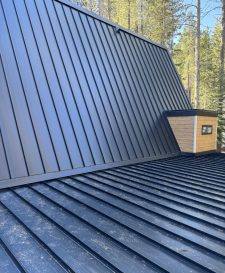
| Metal roofing (standing seam or panel) | Excellent — sheds moss and moisture readily | 40+ years | Higher upfront cost, requires an installer experienced with metal detailing |
| Cedar shake | Poor without diligent maintenance — holds moisture | Highly variable | High maintenance burden in a wet, mossy climate; we're upfront about this before a client commits |
We don't steer clients away from cedar because it's a bad-looking product — it's that untreated wood roofing and constant moss pressure are a difficult combination to keep ahead of without ongoing maintenance most homeowners don't want to sign up for. Architectural asphalt with algae-resistant granules is what we install most often here because it gives Nooksack homeowners the best real-world durability for the money.
What a Correct New Roof Installation Involves
A roof is only as good as what's underneath the shingles. The visible surface is maybe a third of what actually keeps water out.
Full tear-off, not a layover
Installing new shingles over an old, failing layer traps moisture and hides deck problems. We remove the old roofing down to the deck so nothing is hidden and every square foot gets inspected.
Deck inspection and repair
Any sheathing that's soft, delaminated, or rotted from past moisture intrusion gets replaced before anything new goes down. Skipping this step is the single most common cause of early roof failure.
Ice and water shield at vulnerable areas
Valleys, eaves, and roof-to-wall transitions get a self-adhering waterproof membrane underneath the underlayment — the spots where driving rain and wind-blown water find their way in first.
Synthetic underlayment across the field
A quality synthetic underlayment sheds water that gets past the shingles and holds up through the wet months of installation and beyond, better than older felt products that degrade with repeated moisture exposure.
Balanced ventilation
Intake vents at the eaves and exhaust at the ridge, sized to match the attic space, keep air moving so moisture doesn't sit and condense against the deck.
Corrosion-resistant flashing and fasteners
New step flashing, counterflashing, and fasteners rated for this climate go in at every penetration — chimneys, skylights, vent pipes, and wall transitions.
Moss-resistant details
Where appropriate, we install zinc or copper strips near the ridge, which release trace metal ions with each rain and slow future moss growth across the slopes below — a small addition that pays off over the life of the roof.
Our Process, Start to Finish
- On-site inspection. We walk the roof and attic, check the deck, flashing, and ventilation, and note anything that needs attention.
- Written estimate. You get a clear, itemized quote covering materials, labor, disposal, and any deck repair allowance — no vague lump sums.
- Material selection. We walk through the material comparison above based on your home, budget, and how long you want to go before doing this again.
- Scheduling around the weather. Roofing in this climate means watching the forecast closely; we plan tear-off and dry-in to minimize the window your home is exposed.
- Tear-off and deck repair. Old roofing comes off, the deck gets inspected and repaired as needed, and any rot is addressed before anything new is installed.
- Installation. Ice and water shield, underlayment, flashing, ventilation, and the finish roofing material go on in that order, per manufacturer specifications.
- Final walkthrough. We review the completed roof with you, confirm the site is cleaned up, and go over care and maintenance.
What Affects the Cost of a New Roof in Nooksack
Every home is different, but these are the factors that most often move the price of a roof replacement up or down:
| Factor | Why It Matters |
|---|---|
| Roof size and complexity | More valleys, dormers, and roof planes mean more flashing, more cuts, and more labor |
| Current deck condition | Hidden rot from years of moisture exposure adds repair cost that's hard to quote until tear-off |
| Material choice | Standard asphalt, architectural shingle, and metal carry noticeably different material and labor costs |
| Roof pitch and access | Steeper roofs and difficult access require more safety equipment and time |
| Ventilation upgrades | Adding or correcting intake/exhaust balance is often worth doing during a full replacement |
| Layers of existing roofing | Removing multiple old layers takes more labor and disposal than a single-layer tear-off |
We won't quote a number here that doesn't mean anything without seeing your actual roof — anyone who does is guessing. What we can promise is a written estimate that breaks down exactly what you're paying for, before any work starts.
Why It Matters to Hire a Crew That Already Works in Nooksack
Roofing crews that only occasionally work this part of Whatcom County tend to treat every job like it's in a generic dry climate, because that's what most of their work looks like. A crew that regularly installs roofs in and around Nooksack and Lynden already knows to plan for the long rainy stretches, size ventilation for shaded, humid attics, and detail flashing for driving rain rather than occasional showers.
That local familiarity also shows up in smaller, practical ways: knowing which slopes on a given lot tend to hold shade and moss longest, scheduling tear-off around realistic weather windows instead of hoping for the best, and having a track record of finished roofs in the area that homeowners can ask neighbors about directly.
Protecting Your New Roof After Installation
A properly installed roof still benefits from basic upkeep in this climate:
- Keep gutters clear so water doesn't back up under the roof edge, especially heading into the wettest months
- Trim back tree limbs that shade the roof and drop debris, which speeds up moss growth
- Have moss growth treated before it spreads rather than after it's established across a slope
- Schedule a periodic visual check of flashing and vent boots, which are the first places small leaks start
- Address any small leak or missing shingle promptly — small problems left alone turn into deck repairs
None of this replaces a correctly installed roof, but it's what stretches a well-built roof toward the long end of its expected lifespan instead of the short end.
Get a Straight Answer About Your Roof
If you're weighing repair against replacement, or you just want an honest read on how much life is left in your current roof, we're happy to take a look. The estimate is free, there's no pressure to sign anything on the spot, and you'll get a clear, written picture of what your Nooksack home actually needs. Use the form below to get started.