 Lynden Window
 Metal Roofing Built for Maple Falls Weather
Homes around Maple Falls deal with a specific mix of weather that doesn't treat every roof the same. Salt-laden air moving in off the water, driving rain that comes in sideways more often than straight down, and a moss season that can run most of the year under tree cover all add up over time. A metal roof handles that combination better than most materials, but only if it's installed correctly for these conditions. A metal roof put on the way it would be in a dry inland climate will underperform here, sometimes within a few years.
We work on homes throughout Whatcom County, and Maple Falls comes with its own character — more tree cover in a lot of spots, more shade on north-facing slopes, and roofs that don't dry out between rain events the way they might in a more open, sun-exposed area. That changes how we think about underlayment, fastening, and ventilation before a single panel goes up.
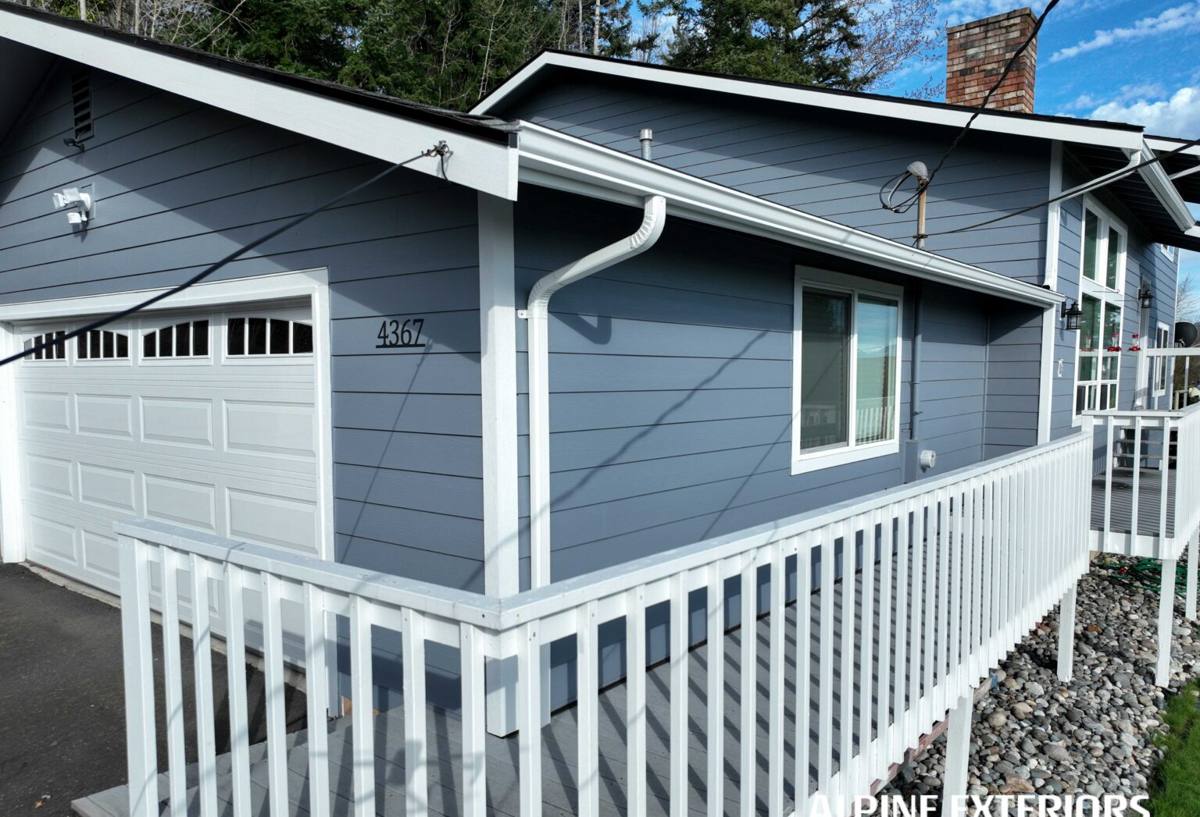
What Local Homes Are Up Against
Salt Air and Corrosion
Airborne salt doesn't just affect homes right on the water. It travels inland on wind and settles on roofing, trim, and fasteners over years of exposure. On metal roofing, this shows up first at cut edges, fastener heads, and any spot where the protective coating has been scratched or worn through during installation. The fix isn't complicated — it's using the right coated steel or aluminum, sealing cut edges properly, and using fasteners rated to match the panel material — but it has to be done correctly the first time, because touch-up after the fact is never as good as doing it right during install.
Driving Rain and Wind-Driven Water
Rain that falls straight down is easy for any roof to shed. Rain that comes in at an angle, pushed by wind off open fields or through gaps in tree lines, is a different problem. It gets under poorly lapped panels, pushed past standard flashing details, and driven up under trim if the details aren't built for it. This is one of the most common causes of hidden leaks we find on older metal roofs in this area — not a failure of the metal itself, but flashing and lap details that were adequate for calm rain and not for wind-driven rain.
Moss, Shade, and Moisture
Metal roofing resists moss far better than asphalt shingles or wood shakes, but it isn't moss-proof. Debris that collects in valleys, around chimneys, or in low-slope transitions holds moisture against the panel and gives moss and lichen something to grow on. Once organic growth takes hold, it holds even more water against the surface and can start to compromise coatings over time. Shaded, tree-covered lots see this more than open ones, which is common around Maple Falls.
What a Correct Metal Roof Installation Actually Involves
A metal roof is only as good as what's underneath it and how it's fastened down. These are the parts that don't show once the job is done, but they're the parts that determine whether the roof performs for decades or causes problems in five years.
Underlayment and Water Protection
We use a synthetic or high-temp underlayment rated for the panel type going on top, with self-adhered ice and water membrane at eaves, valleys, and any low-slope section where water is more likely to sit or back up. This is the roof's real second line of defense — it's what protects the structure if wind-driven rain ever gets past the metal panels themselves.
Fastening and Panel Attachment
Fastener type, spacing, and torque all matter, and they vary depending on whether we're installing a standing seam system with concealed clips or an exposed-fastener panel. Over- or under-driven screws are one of the most common causes of early leaks on exposed-fastener roofs — the washer either doesn't seal or it crushes and cracks. We fasten to the panel manufacturer's spec, not just "tight enough."
Flashing and Penetrations
Chimneys, vents, skylights, and wall transitions are where most metal roof leaks actually start — not in the open field of the roof. Every penetration gets purpose-built flashing detailed for wind-driven rain, not a generic boot or a bead of sealant standing in for real metalwork. Sealant has a service life; properly formed and lapped flashing doesn't depend on it holding forever.
Ventilation
Metal roofs need to breathe just like any other roofing system. Proper intake and exhaust ventilation keeps moisture from condensing on the underside of the panels and helps prevent premature deterioration of the roof deck. On homes with shaded, damp conditions, this matters even more, since the roof assembly has less help drying out on its own between storms.
Choosing the Right Metal Roofing System
Not every metal roof is the same product wearing a different color. Panel profile and base metal both affect how well a roof holds up to salt air, driving rain, and years of moss pressure.
| System | Best For | Trade-Offs |
|---|---|---|
| Standing seam (concealed fasteners) | Long-term, low-maintenance performance, wind-driven rain resistance | Higher upfront cost, requires experienced installation |
| Exposed-fastener panel | Budget-conscious projects, outbuildings, simpler roof shapes | Fasteners need periodic inspection and eventual replacement |
| Galvalume or coated steel | Strength, dent resistance, wide color/finish options | Cut edges must be sealed to prevent corrosion over time |
| Aluminum | Homes closer to salt exposure, naturally corrosion-resistant | Softer material, more prone to denting from impact or debris |
For most homes in this area, we lean toward standing seam with a quality coated steel or aluminum panel, because the concealed fastener system removes the long-term weak point of exposed screws sitting out in salt air and driving rain year after year. That said, exposed-fastener panels are a legitimate, cost-effective choice for simpler structures, and we're straightforward about which option fits a given roof and budget rather than upselling every project to the most expensive system.
Our Process, Start to Finish
- On-site inspection of the existing roof, decking, and ventilation before any recommendation is made
- Honest assessment of whether repair, recoat, or full replacement actually makes sense
- Clear written estimate covering panel type, underlayment, flashing details, and ventilation work
- Removal of old roofing and inspection of the deck for rot or damage before new material goes down
- Installation of ice and water membrane at eaves, valleys, and vulnerable transitions
- Panel installation to manufacturer fastening specs, with all cut edges properly sealed
- Custom-formed flashing at every penetration and roof-to-wall transition
- Final walk-through so you understand what was done and what maintenance to expect
Repair, Recoat, or Full Replacement?
Not every metal roofing problem means starting over. If the panels themselves are sound and the issue is isolated — a failed seal at one penetration, a section of damaged flashing, a few loose or backed-out fasteners — targeted repair is usually the right call. If moss and moisture have been sitting against the coating for years and it's starting to fail broadly, or if the underlying deck has taken on water damage, that's a different conversation, and patching it would just be delaying a bigger cost. We'll tell you which situation you're in and why, rather than defaulting to the more expensive answer.
Maintenance That Actually Matters Here
Metal roofing is low-maintenance compared to most materials, but "low" isn't "none," especially with the moss and moisture pressure common in shaded, tree-covered areas.
- Clear debris from valleys and low-slope areas before it can hold moisture against the panels
- Keep gutters and downspouts flowing so water isn't backing up under eave flashing
- Check and trim back overhanging branches that keep sections of roof shaded and damp
- Have penetration flashing and fastener condition checked periodically, not just after a leak shows up
- Address moss or lichen growth early, before it has years to work into the coating
What It Costs
Metal roofing costs more upfront than asphalt shingles, but the gap narrows over the life of the roof given how much longer a well-installed metal roof typically lasts. Actual pricing depends on roof size, pitch, complexity, and panel choice — we'll give you a firm number after seeing the roof in person, not a phone estimate.
| Factor | Why It Affects Cost |
|---|---|
| Panel system | Standing seam costs more than exposed-fastener panel due to material and labor |
| Roof complexity | Valleys, dormers, and multiple penetrations add flashing labor |
| Tear-off vs. overlay | Removing old roofing and inspecting the deck adds cost but avoids covering hidden problems |
| Access and pitch | Steep or hard-to-access roofs take longer and require more safety setup |
| Metal gauge and coating | Heavier gauge and better coatings cost more but hold up longer against salt air |
Why Hire a Crew That Already Works in Maple Falls
A metal roof installed to a generic spec sheet can still fail in this environment if it isn't detailed for local conditions — wind-driven rain, salt exposure, and long stretches of shaded moisture. Working regularly in Whatcom County means we've seen what actually causes problems on roofs out here, not just what a manufacturer's install manual assumes for an average climate. That shapes real decisions: where we add extra underlayment, how we detail flashing on shaded roof sections, and which fastening approach holds up best over years of driving rain rather than just looking right on installation day.
If you're weighing a metal roof for a home in or around Maple Falls, we're happy to take a look and give you a straight answer about condition, options, and cost — no pressure, no upsell. Use the form below to request a free estimate.