 Lynden Window
 Why Laurel Homes Need Windows Built for This Climate
Laurel sits close enough to Whatcom County's marine air that homes here take on a different kind of weathering than you'd see further inland. Salt-tinged air off the Sound corrodes weak hardware and cheap finishes faster than most homeowners expect. Add in driving, wind-blown rain that hits window walls at an angle instead of straight down, and a moss season that can stretch from late fall well into spring, and you've got a climate that's genuinely hard on windows — especially older ones that were never sealed or flashed correctly to begin with.
None of this means Laurel homes need anything exotic. It means the basics — glass performance, frame material, and installation detail — have to be right for this specific environment, not just "good enough" for a showroom in a dry climate.
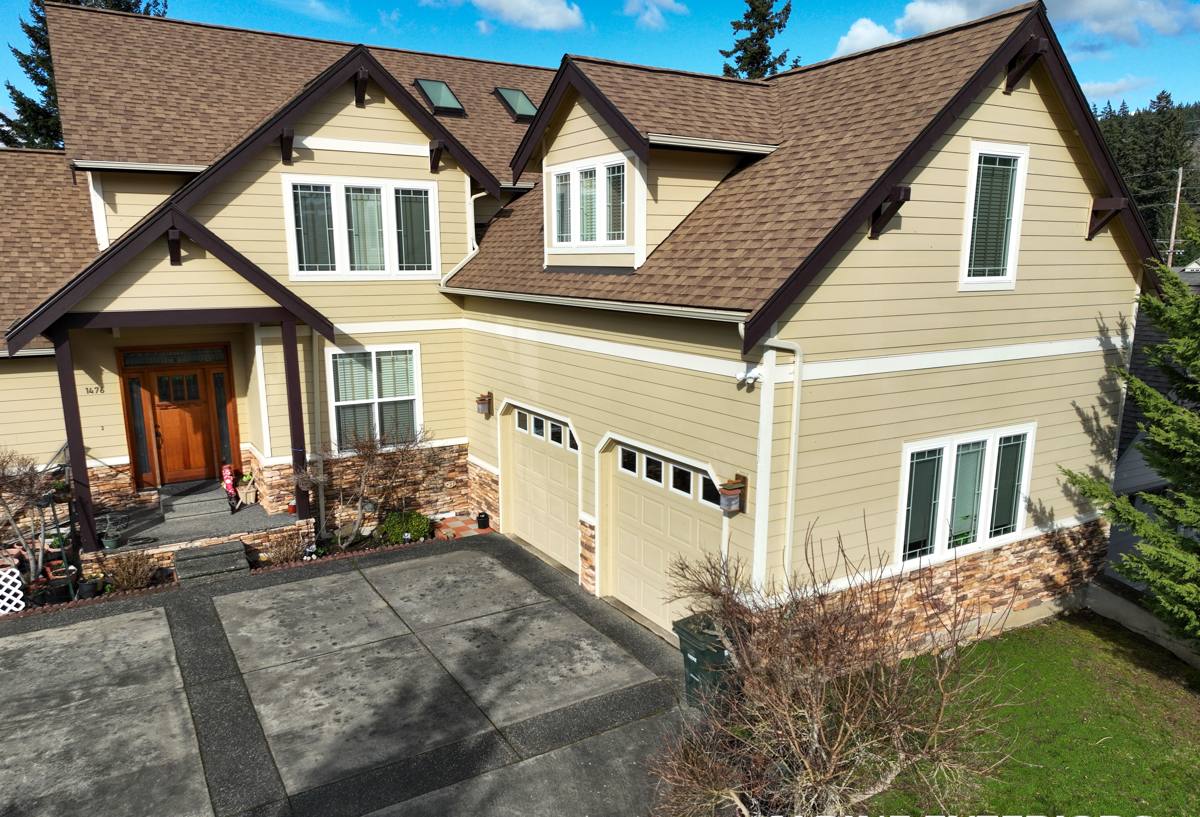
What "Energy-Efficient" Actually Means Here
Energy efficiency in a window isn't one number — it's a combination of how well the glass resists heat transfer, how tight the frame seals against air movement, and how the whole assembly handles moisture. In a climate like ours, where the bigger issue most of the year is heat loss and damp rather than intense summer sun, the priorities shift a bit from what you'd want in a hotter, drier region.
The Numbers Worth Knowing
- U-factor: Measures heat loss through the window. Lower is better — this is the number that matters most for keeping heating bills down through our long, wet winters.
- SHGC (Solar Heat Gain Coefficient): Measures how much solar heat passes through. Less critical here than in sunnier climates, but still worth checking on south- and west-facing rooms.
- Air Leakage rating: Lower numbers mean a tighter seal against wind-driven rain and drafts — directly relevant to Laurel's exposure to storm systems moving through Whatcom County.
- Condensation Resistance: A less-marketed number, but important in our humidity — a window with poor condensation resistance will fog and sweat on cold mornings, which feeds mold and mildew over time.
Every legitimate window sold today should carry an NFRC label with these figures. If a quote doesn't include specific numbers, ask for them before you sign anything.
Common Window Problems We See in Laurel Homes
Moisture and Rot Around Original Frames
Many homes in the area still have original wood-frame windows or early aluminum replacements that were installed without modern flashing details. Over years of driving rain, water finds its way behind the trim and into the framing, and by the time it's visible on the interior sill, there's often already rot in the wall cavity behind it.
Single-Pane and Poorly Sealed Aluminum Frames
Aluminum frames conduct cold straight through, and single-pane glass does almost nothing to slow heat loss. Homes with these older windows tend to run cold near exterior walls in winter and show heavy interior condensation — a direct comfort and moisture problem, not just an efficiency one.
Moss, Algae, and Staining on Sills and Trim
Our extended moss season isn't just a roof and gutter issue. Horizontal sills and exterior trim that stay damp for weeks at a time grow moss and algae, which holds moisture against wood and paint and accelerates deterioration. Window products and trim details that shed water quickly matter more here than in drier parts of the state.
Interior Condensation on Cold Mornings
Fogged glass and water pooling on the sill each morning is one of the most common calls we get. It usually points to either an aging, poorly performing window or a home with tight modern insulation but no matching upgrade to the windows — the mismatch shows up as moisture on the coldest surface in the room.
Frame Material Comparison for This Climate
| Frame Material | How It Handles Our Climate | Maintenance |
|---|---|---|
| Vinyl | Good moisture and salt-air resistance, no painting required, stable performance | Low — occasional cleaning |
| Fiberglass | Excellent dimensional stability, handles temperature and moisture swings very well | Low — durable finish |
| Wood-clad | Attractive interior look, but cladding seams need to be sealed carefully against driving rain | Moderate — watch cladding joints |
| Bare Aluminum | Conducts cold, prone to condensation and corrosion near marine air over time | Higher — we generally steer clients away from this for our climate |
We're not against every use of aluminum — it has its place in certain commercial or specialty applications — but for typical Laurel-area home replacements, we recommend vinyl or fiberglass because they hold up to sustained moisture exposure with the least long-term maintenance.
What a Correct Installation Actually Involves
The window unit itself is only part of the equation. Most of the failures we get called out to fix trace back to installation shortcuts, not bad glass. A correct job includes:
Flashing and Weatherproofing
Proper flashing tape and a weather-resistant barrier integrated with the existing wall assembly — not just caulk around the trim — is what actually keeps driving rain out of the wall cavity over the long run.
Correct Flanging and Shimming
Windows need to sit level, plumb, and square in the rough opening, shimmed correctly so the frame doesn't twist or bind. A window that's slightly out of square will seal poorly and operate rough for the life of the unit.
Insulation Around the Frame
The gap between the window frame and the rough opening needs to be filled with a low-expansion foam or proper insulation — not left empty, and not overpacked in a way that bows the frame.
Interior and Exterior Sealing
Sealant on both sides of the assembly, matched to the materials involved, closes off air and moisture paths that a single bead of caulk on the exterior alone won't stop.
Old Window Removal and Disposal
Old sashes, frames, and any rotted trim discovered during removal should be dealt with as part of the job — not left for the homeowner to sort out separately.
Our Process
- On-site assessment: We look at your existing windows, framing condition, and any signs of past moisture intrusion before recommending anything.
- Product and glass package selection: Based on the home's exposure — full sun, shade, wind direction — we help you pick a frame material and glass package suited to that specific elevation.
- Written estimate: Clear pricing and product specs, including the actual U-factor and air leakage numbers for what you're buying.
- Install day: Careful removal, inspection of the opening for hidden rot or moisture damage, proper flashing and sealing, and correct setting of each unit.
- Walkthrough and cleanup: We test operation on every window, clean up debris, and walk you through anything you should know about care or warranty.
Cost Factors Worth Understanding
We don't publish fixed prices because every home and every opening is different, but the main factors that move the number are consistent:
| Factor | Why It Matters |
|---|---|
| Number and size of openings | Larger and more numerous windows mean more material and labor |
| Frame material | Fiberglass typically costs more upfront than vinyl but can offer longer service life |
| Glass package | Upgraded low-E coatings and gas fills improve performance but add cost per unit |
| Condition of existing openings | Hidden rot or out-of-square framing found during removal adds repair time |
| Access and site conditions | Second-story or hard-to-access windows take more time to install safely |
The honest range for a typical home varies widely based on those factors, which is exactly why we walk the job in person before quoting rather than pricing over the phone.
What to Ask Before You Hire
- Do you provide the actual NFRC U-factor and air leakage numbers for the specific product you're quoting?
- What flashing and weatherproofing method do you use around the rough opening?
- Are you licensed and insured to work in Whatcom County?
- What's covered under warranty — the glass unit, the frame, and the labor — and for how long?
- How do you handle unexpected rot or moisture damage found once the old window is removed?
- Can you show examples of the frame materials and glass packages you're recommending, in person?
Why a Crew That Already Works in Laurel Matters
A contractor who works this specific area regularly has already seen how homes here respond to a full moss season, how driving rain behaves against particular home orientations, and which older construction details tend to hide moisture problems. That's not something you can fully substitute with a generic installation checklist. It shows up in small decisions — how a sill is flashed, which sealant is used where, how a window is sequenced against the siding — that add up to a job that holds up through years of Whatcom County weather instead of one that looks fine until the first real storm season.
If you're weighing whether your current windows are worth repairing or replacing, or you just want a straight answer on what a proper job would involve for your home, we're happy to take a look. Request a free, no-pressure estimate using the form below and we'll walk your home's specific exposure and openings with you before recommending anything.