 Lynden Window
 Siding Built for Kendall's Weather, Not Just Its Looks
Kendall sits up against the foothills northeast of Lynden, close enough to the Nooksack drainage and the marine air moving in off Bellingham Bay that homes here deal with a specific combination of punishment: salt-tinged moisture, long stretches of driving rain, and a moss season that can run from October clear through April. None of that is exotic for Whatcom County, but it adds up differently depending on which direction a wall faces, how much tree cover shades a roofline, and how old the existing siding is. When we install siding in Kendall, we're not just matching a color to a house — we're accounting for how that specific wall assembly is going to shed water and dry out for the next 30-plus years.
This page covers what siding installation actually involves for homes in this area, what correct work looks like versus what corners get cut, and why we install exclusively James Hardie fiber cement rather than the wider range of products some contractors offer.
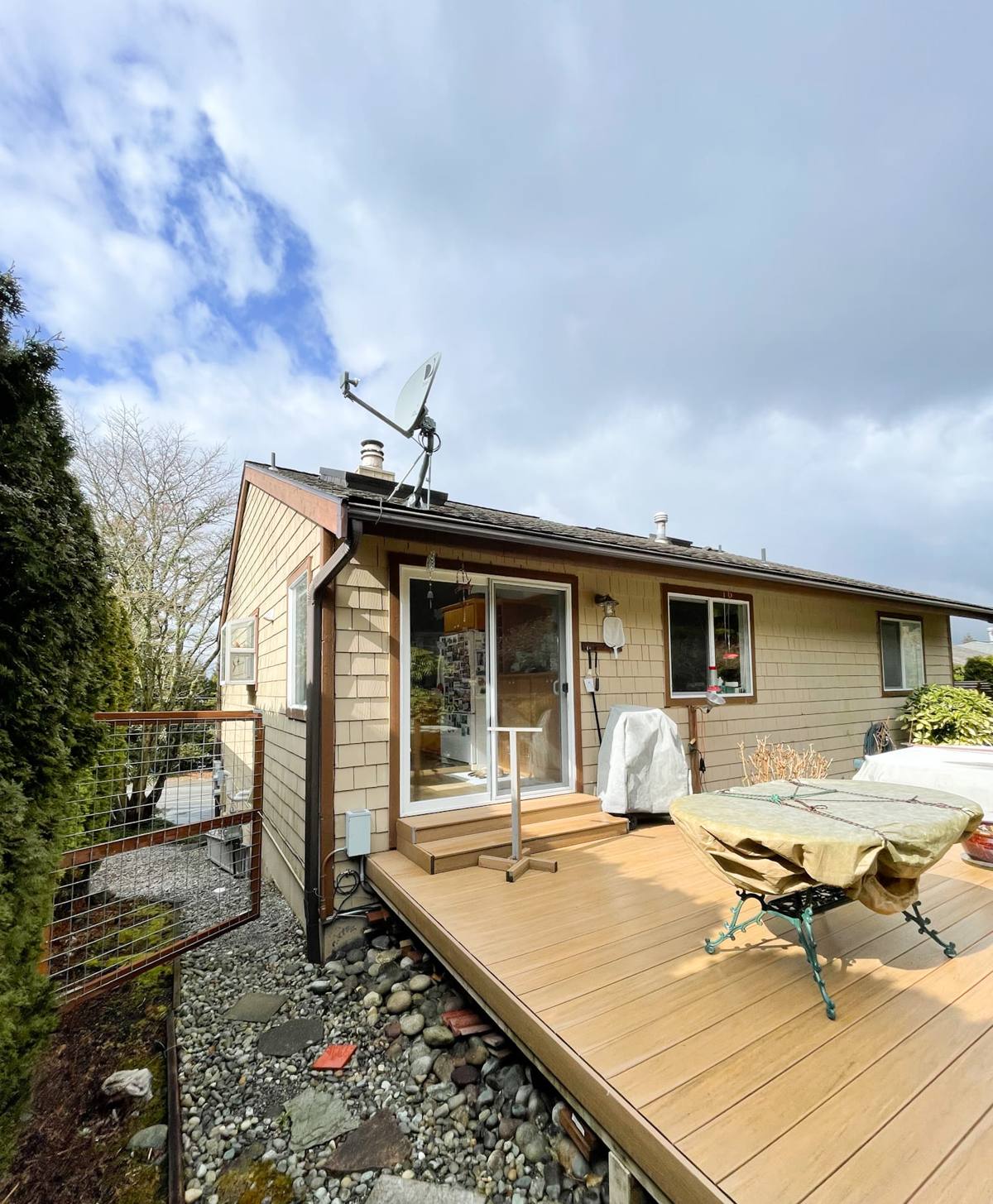
What Kendall's Climate Actually Does to Siding
Moisture that doesn't let up
Western Whatcom County gets long duration rain events rather than short heavy downpours — the kind of weather that gives water time to find every gap, seam, and fastener hole in a siding system. Combined with humidity that rarely drops enough to let building materials dry quickly, any siding installed without proper drainage behind it becomes a slow-motion moisture trap. This is especially true on north- and west-facing walls that see the most wind-driven rain and the least sun exposure to dry out between storms.
Moss, algae, and the shade problem
Properties in and around Kendall often sit closer to tree lines than in-town Lynden lots, which means more shade, more organic debris in gutters and wall cavities, and a longer moss season on roofs and lower siding courses. Moss holds moisture against a surface long after the rain stops, and it's relentless on anything with texture or absorbency. Siding that can't shed water and resist organic growth on its factory finish will show streaking and soft spots years before it should.
Salt air's slow chemistry
Kendall isn't oceanfront, but Whatcom County's proximity to Puget Sound and Bellingham Bay means airborne salt does travel inland, especially during windier weather systems. Over years, that salt content accelerates corrosion on fasteners and metal trim, and it can degrade paint films that aren't formulated to handle it. It's a slower process than what you'd see on the immediate coastline, but it's real, and it's one more reason the finish system matters as much as the siding material itself.
Why We Only Install James Hardie Fiber Cement
We get asked regularly why we don't offer vinyl, LP SmartSide, or cedar as options. The honest answer is that after years of installing and repairing siding in this climate, we settled on one product system that holds up consistently to what this region does to a house, rather than offering a menu of products with very different long-term outcomes.
- Non-combustible material — fiber cement doesn't feed a fire the way wood-based products can, which matters for insurance conversations and peace of mind alike.
- Engineered for moisture, not just painted against it — Hardie's HZ5 product line is specifically formulated for colder, wetter climates like ours, rather than a one-size-fits-all national spec.
- Factory-applied ColorPlus finish — baked on under controlled conditions, so the color and moisture barrier are consistent across every board, not dependent on field-applied paint holding up to Kendall's rain.
- A warranty that reflects confidence in the product — a transferable, long-term manufacturer warranty backed by a company that's been refining this specific product for decades.
We're not going to tell you vinyl or wood siding are junk — they're not, and they work fine in the right application. But we stopped installing them because we were the ones getting called back to deal with the moisture, maintenance, and warranty gaps in exactly this climate. Standardizing on one product we trust completely lets us install it correctly every time, rather than being generalists across several systems with very different failure modes.
What Correct Siding Installation Actually Involves
The siding itself is maybe 40% of what determines how a wall performs over the next few decades. The other 60% is what's happening behind it and how it's installed — and that's where most of the difference between a good job and a problem job shows up.
The water-management layer
Before a single piece of siding goes up, the wall needs a correctly installed weather-resistive barrier (house wrap or building paper) with properly lapped seams, integrated flashing at every window, door, and penetration, and a drainage plane that lets any moisture that does get behind the siding find its way back out rather than sitting against the sheathing. In a climate like Kendall's, this layer is doing as much work as the siding itself.
Fastening and clearances
Hardie siding has specific fastening patterns, nail types, and minimum clearances from grade, roof lines, and decks that are engineered into the manufacturer's installation instructions. Skipping these — face-nailing when it shouldn't be, using the wrong fastener length, or letting the bottom course sit too close to grade — voids warranty coverage and creates the exact moisture entry points that lead to early failure.
Joints, caulking, and trim
Butt joints, corners, and trim transitions are where most siding failures actually start. Correct installation means back-priming cut ends, using the right sealants at the right joints (and knowing which joints shouldn't be sealed at all so they can drain), and using compatible trim materials that won't work against the fiber cement over time.
Our process for a Kendall project
- On-site assessment — we look at wall orientation, shade patterns, existing moisture damage, and roofline/gutter interaction specific to your property.
- Tear-off and sheathing inspection — old siding comes off and we check the sheathing underneath for rot or water damage before anything new goes up.
- Water-resistive barrier and flashing — installed and integrated to current best practice, not just "whatever was there before."
- Hardie installation to manufacturer spec — correct fastening, clearances, and joint treatment throughout.
- Trim, caulking, and paint touch-up — factory finish is matched and any field-cut edges are properly sealed.
- Final walk-through — we go over the finished work with you before calling it done.
Signs Your Kendall Home Needs Siding Attention
- Soft or spongy spots when you press on siding, especially near the bottom courses or under windows
- Persistent moss or dark streaking that comes back within weeks of cleaning
- Visible gaps, warping, or separation at seams and corners
- Paint that's peeling or chalking heavily, especially on north- or west-facing walls
- Rising energy bills that might point to compromised insulation behind failing siding
- Visible fastener corrosion or staining running down from nail heads
Comparing What Happens to Different Siding Materials Here
| Factor | Vinyl | Wood/Engineered Wood | James Hardie Fiber Cement |
|---|---|---|---|
| Moss & algae resistance | Moderate — can trap moisture at laps | Low — organic material is a food source | High with ColorPlus finish |
| Behavior in driving rain | Can be forced by wind-driven water at seams | Absorbs moisture if finish is compromised | Engineered drainage-compatible install |
| Salt air durability | Generally stable, fasteners can corrode | Finish degrades faster under salt exposure | Factory finish holds up well |
| Fire resistance | Melts/deforms under heat | Combustible | Non-combustible |
| Typical warranty structure | Varies widely by manufacturer | Often shorter, finish-dependent | Long-term, transferable |
Cost Factors Homeowners Should Understand
We won't quote a number on this page because every Kendall property is different, but the real cost drivers are worth knowing before you start getting estimates:
| Factor | Why It Matters |
|---|---|
| Existing sheathing condition | Rot found during tear-off adds repair cost but prevents a bigger problem later |
| Wall complexity | Dormers, multiple gables, and cut-up elevations take more labor and material |
| Trim and accent choices | Board-and-batten, shake-style accents, or custom trim profiles add time |
| Access and site conditions | Tree cover, slope, and staging space affect crew efficiency |
| Tear-off vs. overlay | Removing old siding entirely (our standard approach) versus building over it |
Why Local Experience in Kendall Specifically Matters
A crew that's worked Kendall and the surrounding Lynden-area properties already understands the shade patterns, the typical age and construction of homes in the area, and how moss and moisture tend to show up on specific elevations before they become visible problems. That experience shows up in small decisions — where extra flashing attention goes, which corners of a house get inspected first, how tight the joint treatment needs to be on a shaded north wall — that a crew unfamiliar with this specific corner of Whatcom County might not think to prioritize.
It also matters for warranty follow-through. A local, established crew is the one who answers the phone in year eight if a question comes up, not a name from an out-of-area lead-generation site.
Ready to Talk About Your Home
If your Kendall home is showing early signs of siding wear, or you're planning ahead for a replacement, we're happy to take a look and give you an honest, no-pressure assessment of what your home actually needs. There's a free estimate request form right below this page — reach out and we'll get you scheduled.