 Lynden Window
 Board & Batten Siding Built for Ferndale's Weather
Ferndale sits close enough to the water that salt air is a real factor in how siding ages here, and far enough into Whatcom County's marine climate that driving rain and long, damp winters are just part of the deal. Board and batten siding — vertical wide panels with narrow battens covering each seam — has always suited homes in this part of Washington, provided it's built from the right material and installed the right way. We install board and batten in James Hardie fiber cement only, and on Ferndale homes specifically, we build in extra attention to moisture management and corrosion resistance that this stretch of coastline calls for.
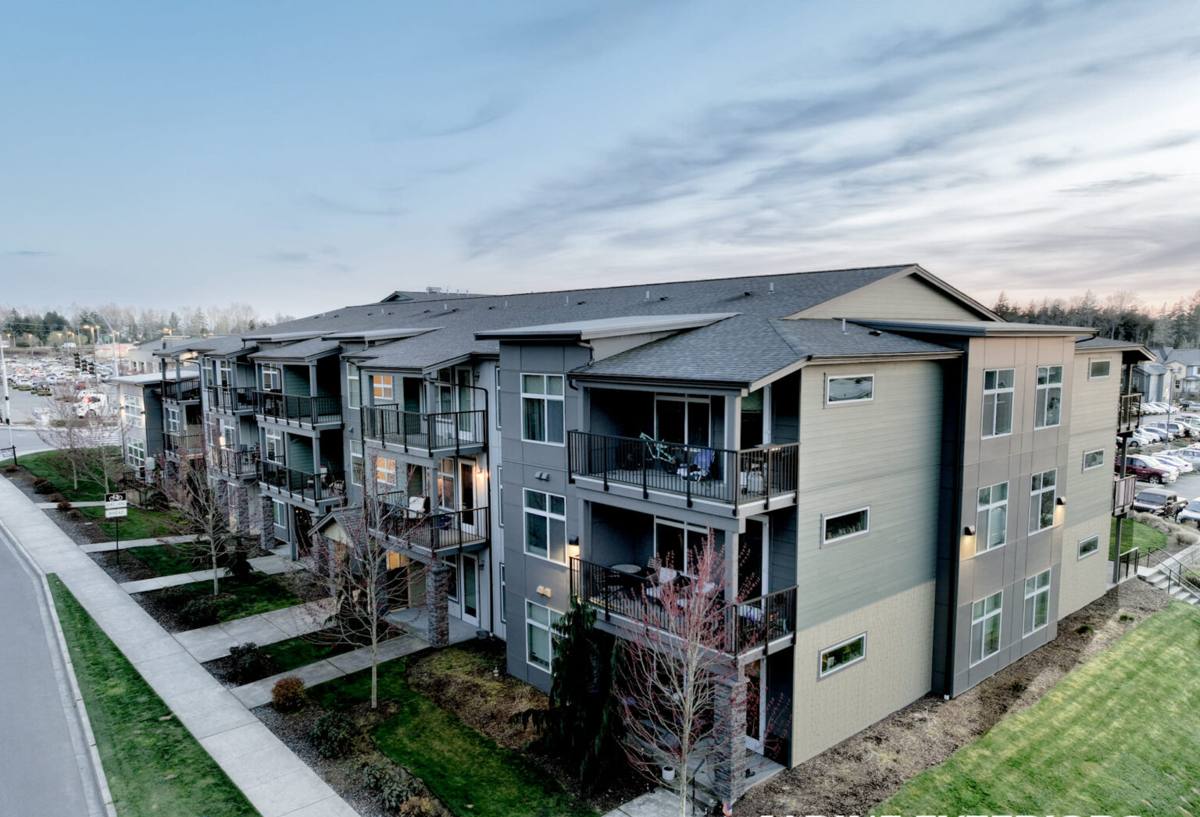
What Ferndale's Climate Does to Siding Over Time
Salt Air and Corrosion
Homes near Bellingham Bay and the lower Nooksack River delta get a steady dose of salt-laden air, even a few miles inland. Salt accelerates corrosion in fasteners, flashing, and any exposed metal trim. On a board and batten system, where narrow battens are nailed at consistent intervals down every seam, fastener choice matters more than most homeowners realize — the wrong nail can start rust-staining the siding within a few years, long before the siding itself is due for attention.
Driving Rain and Wind-Driven Moisture
Storms coming off the Strait of Georgia and Puget Sound tend to push rain sideways more than most homeowners expect. That matters for any vertical siding style, because wind-driven rain can force water up and under panel edges and battens if the drainage details behind the siding aren't right. Board and batten looks simple from the outside, but the water management happening behind it is what actually keeps a wall dry through a wet Whatcom County winter.
Moss and Algae Season
The county's long, mild, wet stretch from fall through spring is prime growing season for moss and algae, especially on shaded, north-facing walls or under tree cover — common on wooded Ferndale lots. Moss holds moisture against the siding surface far longer than open air would, which is hard on any material that isn't built to resist it, and it tends to collect first in the narrow shadow lines that board and batten strips naturally create.
Why Board & Batten Needs to Be Built Right, Not Just Installed
Board and batten has a reputation problem in wet climates because so much of it was historically built from solid wood boards face-nailed directly to sheathing, with battens nailed over the seams. That construction traps moisture wherever a batten sits tight against the wall, and once wood board and batten starts absorbing water at those seams, rot follows — often invisibly, behind the battens, for years before it shows on the surface. We don't install wood board and batten for that reason, and it's also why we won't install vinyl board and batten panel systems, which handle wind-driven rain and temperature swings poorly at the seams and can't be repaired in small sections without replacing entire panel runs.
James Hardie fiber cement doesn't behave like wood at the seams. It doesn't swell, wick water into its core, or feed rot fungus, and the factory-applied ColorPlus finish resists the moss and algae growth that plagues painted wood and bare vinyl alike. That's the baseline reason we standardized on it for every board and batten project, in Ferndale or anywhere else in the county.
Where Board & Batten Works Best on a Ferndale Home
Board and batten doesn't have to cover an entire house to be worth doing right. We see it used two main ways on homes in this area: as the full siding system on a farmhouse-style or craftsman home, or as an accent on gables, dormers, and entry features paired with a horizontal lap line elsewhere on the same wall. Both approaches work fine in fiber cement, since James Hardie's panel and trim products are engineered to be mixed with their own lap and shingle lines without any mismatch in how the materials age or hold color.
Color choice matters more here than in a drier climate. Darker ColorPlus finishes tend to show less water-staining and streaking between cleanings, while lighter finishes make new moss growth more visible early, which some homeowners actually prefer because it's easier to catch and clean before it spreads. Neither is objectively better — it's a trade-off worth thinking through with your specific site (sun exposure, tree cover, wind direction) rather than picking a color off a swatch alone.
What a Correct Board & Batten Installation Requires
Drainage Plane and Rainscreen
Behind every panel, there needs to be a weather-resistive barrier and, on most Ferndale homes, a drainage gap (rainscreen) that lets any moisture that gets past the siding drain and dry out instead of sitting against the sheathing. Skipping this step is the single most common shortcut we see on older board and batten jobs, and it's the one that causes the most hidden damage.
Fasteners and Flashing
Given the salt air in this area, we use corrosion-resistant fasteners rated for the exposure and make sure every flashing detail — window heads, roof-to-wall intersections, deck ledgers — is integrated with the drainage plane, not just caulked over the top. Caulk fails eventually; flashing built into the system doesn't depend on a bead of sealant holding up for twenty years.
Batten Spacing and Panel Expansion
Fiber cement panels need consistent gaps at joints to allow for expansion and contraction, and battens need to land where they were engineered to land — not just wherever looks even. Getting this wrong is what causes the cracking and buckling homeowners sometimes see on rushed or budget board and batten jobs a few years in, usually right around the next wet season.
Board & Batten Material Comparison
| Factor | James Hardie Fiber Cement | Solid Wood | Vinyl Panel |
|---|---|---|---|
| Moisture absorption at seams | Minimal — doesn't wick or swell | High — primary rot point | Low absorption, but seams flex and gap over time |
| Moss/algae resistance | Built into the ColorPlus factory finish | Depends entirely on paint upkeep | Bare vinyl offers no resistance |
| Salt air / coastal exposure | Non-combustible, stable in marine climates | Accelerated weathering and rot | Can become brittle with UV and temperature cycling |
| Repair approach | Section replacement, color-matched | Section replacement, but hidden rot often found nearby | Often requires replacing full panel runs |
| Typical repaint interval | Not needed — ColorPlus carries its own finish warranty | Every 5-8 years | Not paintable in most cases |
Our Board & Batten Process in Ferndale
- Assessment — we look at the existing siding, sheathing condition, and specific exposure of your home (shaded vs. open, wind direction, proximity to water) before recommending anything.
- Tear-off and inspection — we remove the old siding rather than covering over it, so we can check the sheathing and framing for any hidden moisture damage before it's sealed back up.
- Weather-resistive barrier and drainage plane — installed to current best practice, not just what the old wall happened to have.
- Panel and batten layout — planned around window and door openings, corners, and roof lines so spacing is consistent and engineered gaps are respected.
- Installation — panels, then battens, fastened per James Hardie's published specifications with corrosion-resistant fasteners.
- Flashing and trim — integrated at every penetration and transition, not caulked on as an afterthought.
- Final walkthrough — we go over the finished siding with you before we consider the job done.
What Affects the Cost of a Board & Batten Project
| Factor | Why It Matters |
|---|---|
| Home size and wall area | More square footage means more panels, battens, and labor hours |
| Existing siding removal | Tear-off and disposal of old wood or vinyl adds time versus a bare wall |
| Trim and architectural detail | Gables, dormers, multiple roof lines, and window trim all add cutting and fitting time |
| Sheathing condition | Rot or moisture damage found during tear-off may need repair before siding goes on |
| Accessibility | Multi-story sections, tight setbacks, or steep grades affect staging and labor time |
| Full siding vs. accent use | Using board and batten as a gable or entry accent costs less than covering the whole home |
We don't publish a flat per-square-foot price because these factors genuinely change the scope from one Ferndale home to the next — but we'll walk your home with you and explain exactly what's driving your number before you commit to anything.
Why Hire a Crew That Already Works in Ferndale
A lot of siding problems in this area trace back to a crew that installed a product correctly for a drier climate, not for one where wind-driven rain off the water and a long moss season are part of the job. Working Ferndale and the surrounding Whatcom County communities regularly means we already know which walls tend to take the worst of the weather, what the local permitting and inspection process expects, and how to sequence a project around the wetter months so it isn't rushed into marginal conditions. That local familiarity shows up in details — fastener selection, flashing choices, where to prioritize drainage planning — more than in anything a homeowner would notice just by looking at the finished wall.
It also means we're not guessing at how a given wall will perform five or ten years out. We've seen how board and batten in this material, on homes with this kind of exposure, holds up — and we build every install to match that, rather than to a generic national spec sheet.
Questions to Ask Before You Hire
- Will the old siding be removed and the sheathing inspected, or installed over the existing wall?
- Is a drainage plane or rainscreen included behind the panels?
- What fasteners are being used, and are they rated for coastal or salt-air exposure?
- Can you explain the batten spacing and expansion gaps you'll use, and why?
- How are flashing details handled at windows, rooflines, and other penetrations?
- What does the written warranty actually cover, and for how long?
If you're weighing board and batten siding for a Ferndale home, we're happy to take a look and walk you through what your specific house needs — no pressure, no obligation. Fill out the form below and we'll set up a free estimate.