 Lynden Window
 Siding Built for Deming's Weather, Not Just Its Look
Deming sits along the Nooksack River corridor in Whatcom County, close enough to the mountains to catch heavy winter rain and close enough to the Sound to feel the marine air that moves through the valley most of the year. That combination is hard on exterior building materials. Siding here doesn't just need to look good on install day — it needs to shed driving rain, resist the moisture that feeds moss and algae, and hold its finish through decades of damp winters and humid summers without cracking, swelling, or rotting at the seams.
A lot of siding failures we see in this area aren't really about the product being "bad." They're about a product that was never engineered for this climate, or a product that was installed without the moisture management details that matter most where rain is frequent and drying time between storms is short. That's the lens we bring to every siding installation job in Deming: pick a material built for this environment, then install it the way it's actually supposed to be installed.
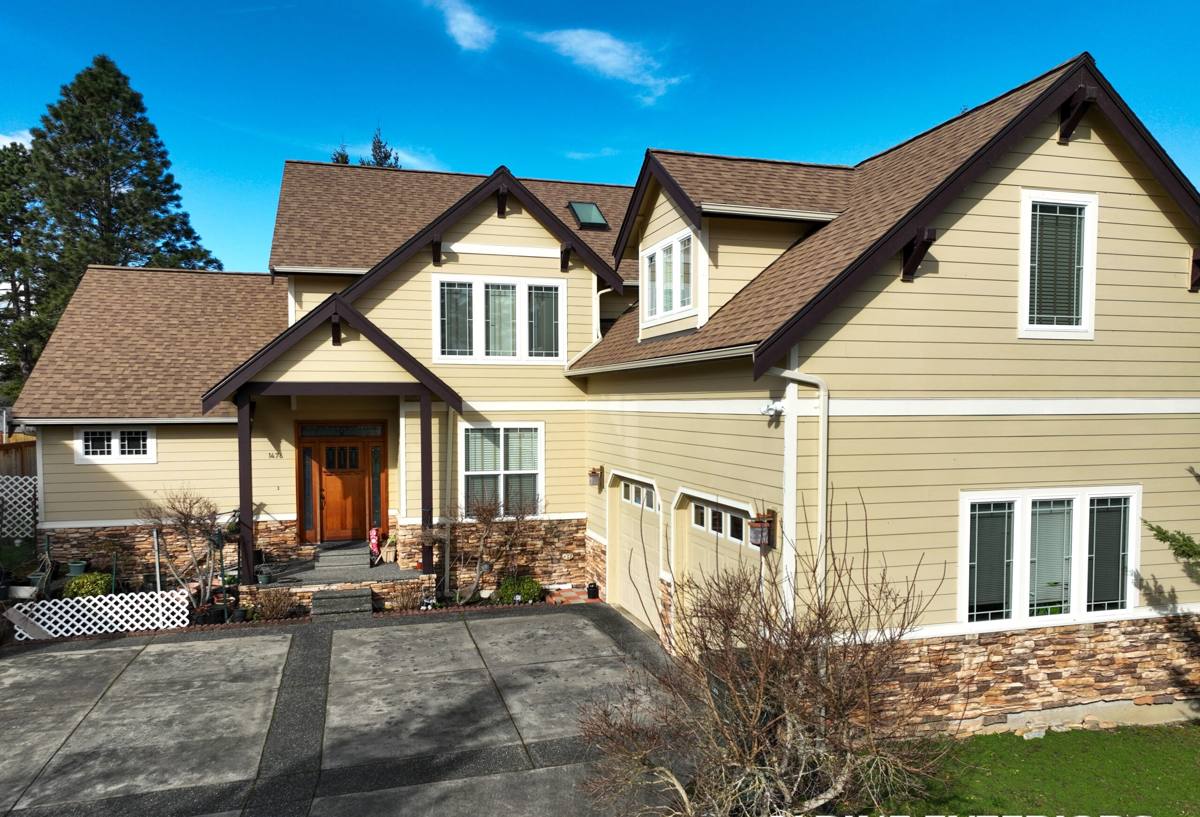
What Deming's Climate Actually Does to Siding
Homeowners in Deming deal with a specific mix of conditions that separates this area from drier parts of the state:
- Driving rain: Wind-driven rain off the valley pushes water sideways into seams, laps, and trim joints — not just straight down onto flat surfaces.
- Long moss season: Shaded, north-facing walls and anything under tree cover can stay damp for weeks at a time, which is exactly what moss and algae need to take hold.
- Marine-influenced humidity: Even without direct coastal exposure, the moisture-laden air common to Whatcom County keeps wood-based products and their paint films working harder to stay sealed.
- Freeze-thaw swings: Winter cold snaps followed by wet thaws stress any siding that has already absorbed moisture, which is where swelling and cracking usually start.
None of this is unique to one street or one style of home — it's the baseline every siding product installed in this area has to survive, year after year, without babysitting.
Why We Install Only James Hardie Fiber Cement
We made a decision a long time ago to install one siding system: James Hardie fiber cement, in the HZ product lines engineered for Pacific Northwest conditions. We don't install LP SmartSide, vinyl, Cemplank, Allura, primed spruce, or cedar. That's not a marketing position — it's a standard we hold because of what we've seen these products do, or fail to do, in exactly the kind of weather Deming gets.
Fiber cement is cement, sand, and cellulose fiber pressed and cured into a rigid board. It doesn't absorb water the way wood-based siding does, it won't feed rot the way engineered wood or untreated cedar can, and it's non-combustible — a real consideration for properties near wildland areas along the Nooksack corridor. James Hardie's ColorPlus factory finish is baked on and warranted separately from the substrate, which matters in a climate where paint film failure is usually the first sign of trouble, long before the siding itself is compromised.
We're not going to tell you every other product is worthless — vinyl is inexpensive and low-maintenance for a reason, and cedar has a look some homeowners genuinely prefer. What we will say is that after years of installing and repairing siding in this climate, we stopped installing products that need perfect paint maintenance, that trap moisture behind them, or that soften and swell when they take on water. Hardie doesn't have those failure modes when it's installed correctly, and "installed correctly" is the other half of this job.
What Correct Installation Actually Involves
Fiber cement siding is only as good as the assembly behind it. Most of the siding problems we get called out to fix in Whatcom County trace back to installation shortcuts, not the material itself.
Moisture Management Layer
A weather-resistive barrier goes on the sheathing first, with all seams and penetrations properly lapped and sealed so water is directed out, not trapped in. In a driving-rain climate like this one, this layer does more long-term work than the siding itself.
Flashing at Every Transition
Windows, doors, decks, and roof-to-wall intersections are the places where water actually gets in. Correct flashing at these transitions — installed in the right order, lapped correctly — is non-negotiable, especially on a home that's going to take wind-driven rain from multiple directions over its life.
Fastening and Clearances
James Hardie specifies fastener type, spacing, and placement for a reason — done wrong, boards can crack, pop, or fail to hold their seal. Ground clearance and gaps at roof lines also matter here: siding installed too close to grade or roofing stays damp longer and starts collecting moss and algae years before it should.
Caulking and Joint Treatment
Butt joints, trim edges, and penetrations get sealed with the right product, not just whatever's on the truck. Over-caulking or under-caulking both cause problems down the line, from trapped moisture to premature caulk failure.
Our Siding Installation Process in Deming
| Stage | What Happens |
|---|---|
| Assessment | On-site inspection of existing siding, sheathing condition, moisture damage, and trim/flashing details specific to your home |
| Product Selection | Choosing the right HardiePlank, HardiePanel, or HardieShingle profile and ColorPlus finish for the home's style and exposure |
| Tear-Off and Prep | Removal of old siding, inspection and repair of sheathing, and installation of a new weather-resistive barrier |
| Flashing and Trim | Window, door, and transition flashing installed before siding goes on — never patched in afterward |
| Installation | Fiber cement siding installed to James Hardie fastening and clearance specifications |
| Final Detailing | Caulking, trim finishing, and a final walkthrough so you know exactly what was done and why |
We don't skip the tear-off inspection step even when the old siding looks fine from the outside. Rotted sheathing or a failed barrier underneath new siding just means the same problem resurfaces in a few years, hidden behind a fresh face.
Matching the Product to the House
Not every Hardie profile fits every home the same way, and picking the right one affects both appearance and long-term performance in this climate.
- HardiePlank lap siding — the most common choice for traditional and Craftsman-style homes; wide reveals shed water efficiently.
- HardiePanel vertical siding — often used for accents, gables, or a more modern look; needs correct batten and flashing detail at every seam.
- HardieShingle — used for accent areas where a shingled look is wanted, with more joints to detail carefully given local rain exposure.
- HardieTrim — paired with any of the above for corners, fascia, and window surrounds so the whole system ages at the same rate.
ColorPlus finishes come in a range of tones that hold up to UV and moisture without repainting on the same schedule as field-applied paint. For homes under heavier tree cover — common around Deming — darker colors can show pollen and moss growth faster than lighter tones, which is worth discussing before you commit to a color.
Signs Your Deming Home May Need New Siding
Some of these show up gradually enough that homeowners get used to them before recognizing they're a problem:
- Soft or spongy spots when you press on siding, especially near the bottom courses
- Persistent moss or algae growth that comes back within weeks of cleaning
- Paint that's peeling, bubbling, or chalking heavily in patches
- Visible warping, cupping, or gaps opening up at seams and butt joints
- Rising energy bills that track with drafts or cold spots along exterior walls
- Staining or dark streaking below window sills and trim, a common sign of flashing failure
Cost Factors for a Deming Siding Installation
| Factor | How It Affects the Job |
|---|---|
| Home size and stories | More surface area and multi-story access increase labor and equipment needs |
| Existing siding removal | Tear-off of old vinyl, wood, or damaged siding adds time versus building on new construction |
| Sheathing condition | Rot or moisture damage found during tear-off may require repair before siding goes on |
| Trim and detail work | Homes with more windows, dormers, and transitions need more flashing and trim labor |
| Siding profile and finish | Lap, panel, and shingle profiles vary in material and labor cost per square foot |
| Access and site conditions | Driveway slope, landscaping, and setbacks common in this area can affect staging and equipment |
We give every homeowner a specific, written estimate based on their actual home — not a per-square-foot number pulled from a national average that ignores tear-off condition or trim complexity.
Why a Crew That Already Works in Deming Matters
Whatcom County building departments, local permitting requirements, and the practical realities of installing on homes with valley exposure, tree cover, and wind-driven rain aren't things you want a crew learning on your project. A contractor who already works this area knows which details matter most for the moss and moisture pattern here, has relationships with local suppliers for James Hardie product and matching trim, and can speak accurately to how a given home's orientation and tree line will affect maintenance down the road. That local familiarity shows up in fewer surprises during tear-off and a finished job that's detailed for the weather it actually has to survive, not generic weather.
Get a Straightforward Estimate
If your siding in Deming is showing its age, or you're planning ahead before it becomes a bigger problem, we're glad to come take a look. We'll walk your home, tell you honestly what we see, and put together a clear, no-pressure estimate for a James Hardie siding installation built for this valley's rain, moss, and moisture — no obligation to move forward. Use the form below to get started.