 Lynden Window
 Deck Repair for Deming Homes
Deming sits inland from Lynden along the Nooksack River, in the foothill country running toward Mt. Baker. It's a different environment than the flat farmland closer to town — more tree cover, more shade, more standing moisture on decks that don't get a full day of sun even in July. Add in the driving rain that moves through Whatcom County most of the year and a moss season that can stretch from October into May, and a deck out here takes a beating that a lot of manufacturers' warranty language never accounts for.
We repair decks for homeowners in Deming and the surrounding foothill communities regularly, and the same handful of problems show up again and again: soft boards near the house, rusted or popped fasteners, ledger board rot where the deck meets the siding, and moss buildup that holds water against the wood far longer than a sunny-lot deck would ever see. This page covers what we actually look for, what a correct repair involves, and how our process works — not a generic "we fix decks" pitch.
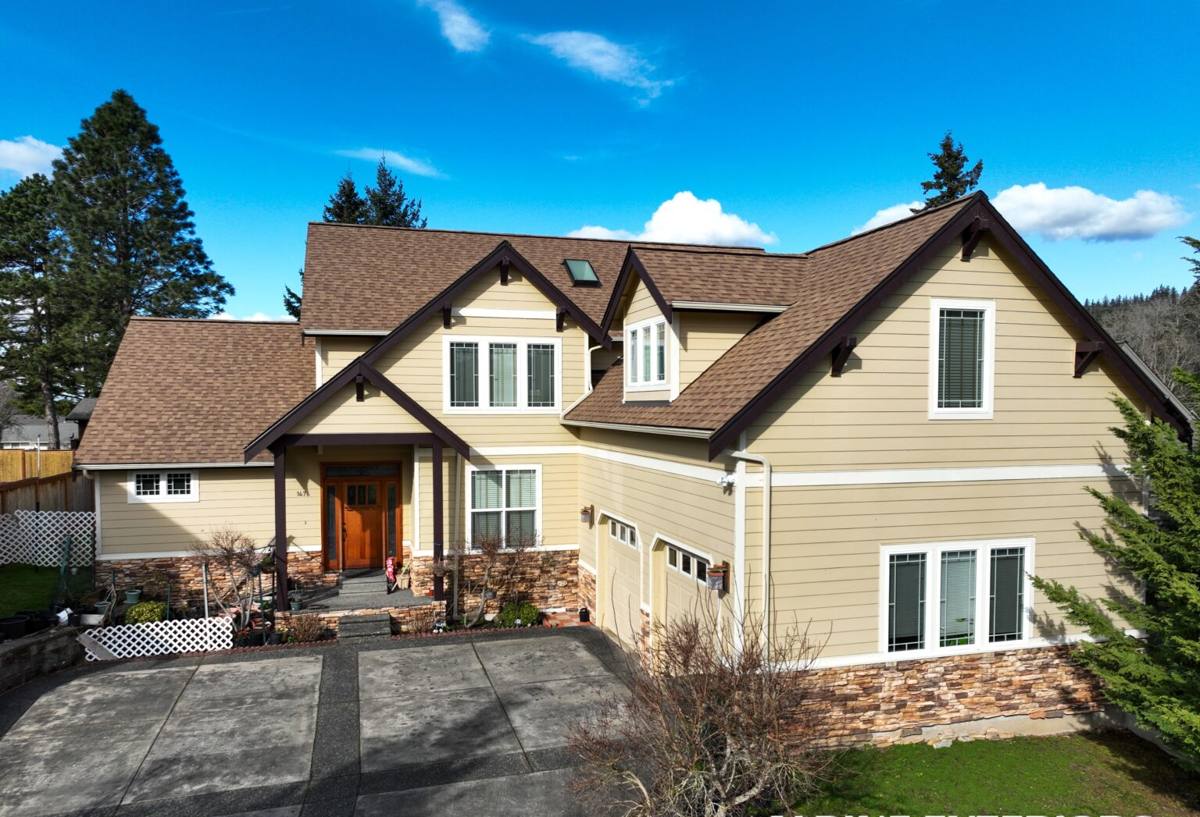
Why Decks in Deming Wear Differently
Three things drive most of the deck damage we find in this area:
Shade and slow drying
Properties tucked into the tree line or set back from the river get less direct sun than open lots. A deck that stays damp for days after a storm — instead of drying out in an afternoon — gives wood rot and mold a head start. This is the single biggest difference between a Deming repair call and one from a more exposed part of the county.
Moss and organic buildup
A long moss season means organic growth on decking boards, stair treads, and especially the north-facing side of a deck that never sees direct light. Moss isn't just cosmetic — it holds moisture against the wood surface and makes boards slick and dangerous underfoot, particularly on stairs.
Driving rain and wind-blown moisture
Storms moving in off the coast push rain sideways as much as straight down. That means water gets driven up under railings, into end-grain cuts, and behind ledger boards in ways a simple "cover it and it'll be fine" approach doesn't solve. Salt-laden weather systems rolling through the region add to the corrosion load on any exposed metal hardware, fasteners, and post connectors.
Signs Your Deck Needs Repair, Not Just Cleaning
A pressure wash and a coat of stain can make a tired deck look better without fixing what's actually wrong underneath. Here's what tells us a deck needs real repair work:
- Boards that feel spongy, springy, or give slightly when you walk on them
- Visible gaps, splitting, or cupping in the decking boards themselves
- Rust streaks running down from screws, nails, or metal connectors
- A railing or post that wobbles or flexes when pushed
- Soft or discolored wood where the deck ledger meets the house siding
- Persistent moss or algae that returns within weeks of cleaning
- Stairs that feel uneven, loose, or have visible wear on the tread edges
- Gaps opening up between the deck and the house at the ledger connection
Any one of these on its own might be minor. Several together usually mean the deck's structure — not just its surface — needs attention.
What a Correct Deck Repair Actually Involves
A repair that only addresses what's visible from the top often misses the problem. Here's what we check on every Deming deck repair call:
The ledger board connection
This is where the deck attaches to the house, and it's the single most important structural point on the whole deck. In a wet climate, it's also the most common place for hidden rot, because water tends to collect right at that seam. We check for proper flashing, look for soft wood, and confirm the connection is still doing its job before we touch anything cosmetic.
Joists and framing
Underneath the decking boards, joists can develop rot or insect damage that isn't visible until you look from below or probe the wood directly. Sistering a damaged joist or replacing a section of framing is a bigger job than swapping a board, but skipping it means the repair won't hold.
Fasteners and hardware
Old nails work loose over time as wood swells and shrinks with the seasons. We typically replace failing nails with proper deck screws or structural fasteners rated for exterior use, and we check post bases, joist hangers, and any exposed metal connectors for rust or corrosion that's compromised their strength.
Decking boards and stair treads
Individual boards get replaced when they're cracked, cupped, or soft — not the whole deck surface, unless enough boards are failing that a full resurface makes more sense financially. Stair treads get extra attention since they take the most foot traffic and the most direct rain exposure.
Railings and guard posts
A wobbly railing is a safety issue, not a cosmetic one. We check post attachment points, baluster spacing and condition, and make sure any repaired railing meets a solid, secure standard before we consider the job done.
Repair vs. Replace: How We Decide
Not every deck problem needs a full rebuild, and not every "quick fix" is actually a good use of money. Here's the general framework we use:
| Factor | Leans Toward Repair | Leans Toward Replacement |
|---|---|---|
| Framing condition | Joists and ledger are solid, only isolated soft spots | Widespread rot in the structural frame |
| Age of deck | Under 15-20 years, built with treated lumber | Older deck nearing the end of typical lumber lifespan |
| Extent of damage | A few boards, one railing section, isolated fasteners | Damage spread across most of the deck surface |
| Original construction | Built to code with proper flashing and connections | Missing ledger flashing or undersized framing from the start |
| Budget priorities | Want to extend life a few more years affordably | Ready to invest in a long-term, low-maintenance surface |
We'll always tell you honestly which category your deck falls into. A deck with solid framing and a few bad boards doesn't need to be torn out — but we won't patch cosmetic problems on a deck whose frame is failing underneath, because that's a repair that won't last and isn't a fair use of your money.
Decking Material Options When Boards Need Replacing
When individual boards or a full resurface are on the table, homeowners usually choose between a few paths. Each has real trade-offs, especially in a shaded, wet climate like Deming's.
| Material | Upside | Trade-off in This Climate |
|---|---|---|
| Pressure-treated lumber | Lower upfront cost, easy to source-match to existing decking | Needs regular sealing/staining to resist moss and moisture |
| Cedar or other natural wood | Attractive appearance, decent natural rot resistance | Still needs consistent maintenance in shaded, damp areas |
| Composite decking | Low maintenance, resists rot and moss buildup | Higher upfront cost; requires correct fastening for warranty coverage |
We don't push one material over another as a rule — we walk you through what fits your deck's exposure, your maintenance appetite, and your budget. On a shaded, moss-prone lot, the maintenance difference between wood and composite is worth discussing honestly before you decide.
Our Deck Repair Process
- On-site inspection. We walk the deck, check the ledger, get underneath to look at joists and framing, and test railings and stairs for movement.
- Honest assessment. We tell you what's cosmetic, what's structural, and what can wait versus what shouldn't.
- Written scope and estimate. You get a clear breakdown of what we'll repair and why, with no surprise add-ons once we start.
- Repair work. Framing and structural fixes happen first, then decking boards, fasteners, and railings.
- Final check. We test the repaired sections for solidness — stairs, railings, and any resurfaced areas — before calling the job done.
Why a Crew That Already Works in Deming Makes a Difference
A contractor who mostly works closer to the coast or in flatter, sunnier parts of Whatcom County can still do competent deck work — but they may not immediately recognize how much slower a shaded, tree-lined Deming property dries out after a storm, or how aggressively moss returns on a north-facing deck here compared to an open lot. Knowing the local pattern means we check the right spots first: the ledger, the shaded joists, the stair treads that never quite dry between rains. That's less guesswork and a repair that's scoped correctly the first time.
After the Repair: Keeping Your Deck in Good Shape
A repaired deck holds up a lot longer with a little seasonal attention, especially given how long the moss season runs here:
- Sweep off leaves and debris regularly in fall — trapped organic matter holds moisture against boards
- Treat moss buildup early rather than letting it establish, especially on shaded or north-facing sections
- Check railings and stair treads for movement once or twice a year
- Reseal or restain wood decking on the manufacturer's recommended schedule, not just when it looks faded
- Keep gutters and downspouts clear so runoff isn't draining directly onto or under the deck
If you're noticing soft spots, a wobbly railing, or moss that won't quit coming back on your Deming deck, we're happy to take a look and give you a straight answer about what it needs. Fill out the form below for a free, no-pressure estimate.