 Lynden Window
 Custom Windows Built for Kendall's Weather
Kendall homes sit out in the open with Whatcom County's weather working on them year-round. Windows here don't get an easy life. They take driving rain sideways off the fields, months of damp air that never fully dries out, and a moss season that seems to stretch longer every year. A window that's a good fit for a dry inland climate is often the wrong choice out here, and a window that was installed correctly ten or fifteen years ago may still be failing today simply because the flashing detail behind the trim was never right to begin with.
This page is about one thing: custom window installation and replacement for homes in and around Kendall. Not a general overview of windows everywhere in the county — what actually matters for a house sitting in this specific stretch of Whatcom County, what a correct job looks like, and how we approach it.
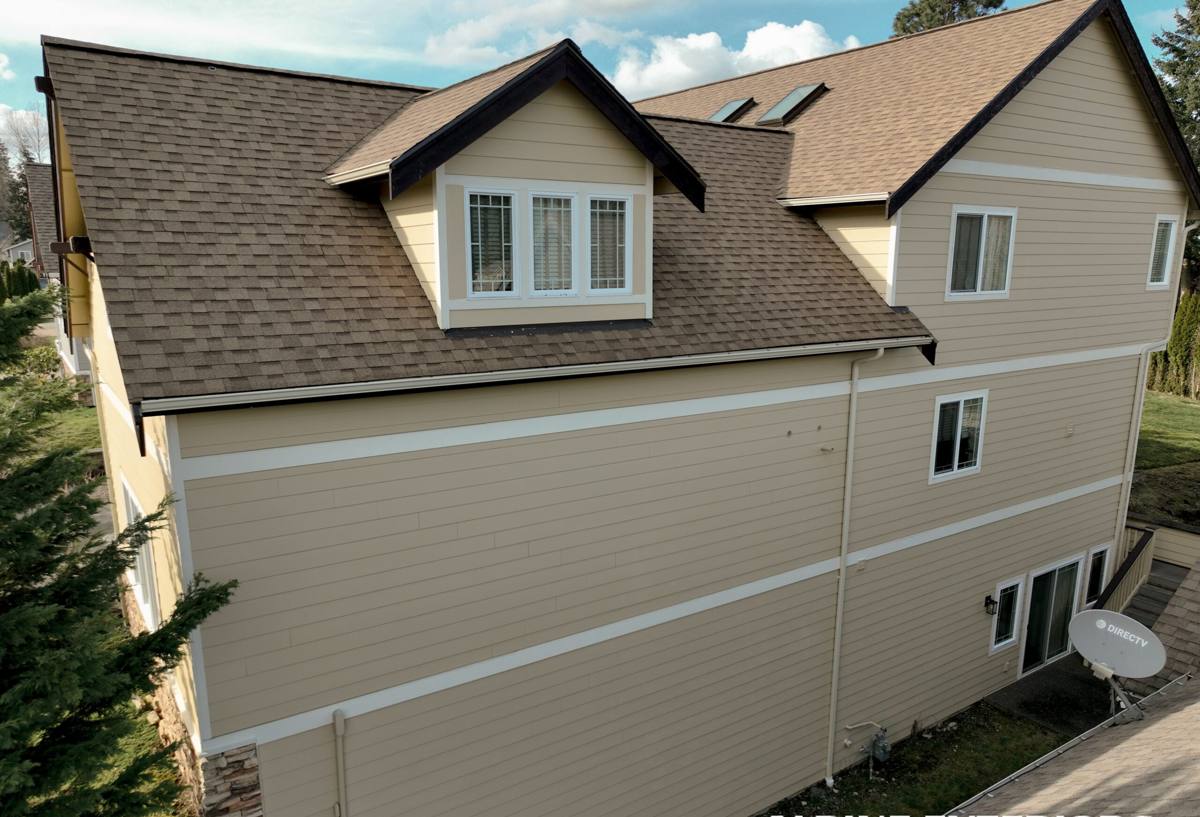
What Kendall Homes Are Up Against
Three things drive most of the window problems we see out this way:
- Sustained damp air. Long stretches of overcast, moisture-heavy weather mean wood trim, sills, and even some vinyl frames stay wet longer than they would in a drier climate. That extra dwell time is what breaks seals and rots sills — it's rarely one big storm that does the damage.
- Driving, wind-pushed rain. Rain that comes in at an angle finds every gap in flashing and caulk that vertical rain would never reach. Windows on the weather-facing sides of a house take the brunt of it.
- Moss and organic growth. A long moss season means algae and moss get a foothold on north-facing trim, sills, and anywhere water sits instead of shedding. Moss holds moisture against wood and paint far longer than bare siding would, accelerating rot from the outside in.
None of this means Kendall homeowners need exotic materials or something unusual. It means the installation details — flashing, sealant, drainage — have to be done right, because this climate has no patience for shortcuts.
Signs It's Time to Replace (or Not)
Not every drafty or foggy window needs full replacement. Some of what looks like a window problem is actually a trim or flashing problem that a repair can fix. Here's how we sort it out before recommending anything:
| What you're seeing | Likely cause | Usual fix |
|---|---|---|
| Fogging between panes | Failed seal, moisture trapped in the gas fill | Sash or full unit replacement |
| Soft or spongy sill/trim | Long-term water intrusion, often from flashing | Replace window and correct flashing detail |
| Drafts around a newer window | Poor install, gaps in insulation or sealant | Re-seal and re-insulate; sometimes reset the unit |
| Moss or dark staining on trim | Poor drainage, north exposure, low sun | Clean, seal, improve drainage path |
| Hard to open or out of square | House settling or original poor install | Reframe and reinstall square |
A window that's original to the house and merely drafty might just need better weatherstripping. A window with soft wood underneath it or a failed seal is telling you the whole assembly needs to come out.
What a Correct Custom Window Installation Involves
"Custom" windows means the units are built to your exact rough openings rather than forced into a stock size, which matters a lot on older Kendall homes where openings are rarely perfectly square anymore. But the unit itself is only part of the job. Most window failures we're called out to fix started with the installation, not the product.
Framing and Rough Opening Prep
Every opening gets checked for level, plumb, and square before a new unit goes in. On older homes, we often find the opening has shifted slightly over the years — settling, moisture damage, or just an original install that wasn't quite right. Shimming and squaring the opening properly is what lets the window operate smoothly and seal correctly for its whole service life.
Flashing and Water Management
This is the step that matters most in our climate and the one most often done wrong or skipped. Proper flashing means water that gets behind the siding or trim has a path to drain back out, not a pocket to collect in. We flash the sill pan, integrate the window flange with the house wrap or building paper in the correct shingle-lap order, and make sure nothing traps water against the framing. Given how long our wet season runs, a flashing mistake doesn't show up as a leak next week — it shows up as rot two or three years later.
Glazing and Frame Material Choices
Glass package and frame material both affect how a window performs against driving rain and long damp stretches, not just energy bills. We'll walk through the tradeoffs for your specific exposure — a window on the weather side of the house facing open fields has different needs than one tucked under an eave on a sheltered wall.
Comparing Frame Materials for Kendall Conditions
| Material | How it handles our climate | Maintenance | Typical fit |
|---|---|---|---|
| Vinyl | Won't rot; handles sustained moisture well | Low — occasional cleaning | Most homes, best value |
| Fiberglass | Very stable in temperature and moisture swings | Low | Larger units, exposed walls |
| Wood-clad | Good look, but exterior wood cladding needs attention if seals age | Higher — watch cladding seams | Homes prioritizing a wood interior look |
| Aluminum | Prone to condensation without a thermal break; less common as full replacement here | Moderate | Specific architectural cases only |
We don't push one material on every job. On a north-facing wall with a long moss season and afternoon shade, we're more likely to steer toward vinyl or fiberglass because they shrug off sustained dampness without needing upkeep. On a covered porch or sheltered elevation, a wood-clad look might make sense without the same maintenance concern. This is a conversation, not a script — we'll tell you honestly which option fits your specific exposure and budget.
Our Process, Start to Finish
- On-site assessment. We look at each opening, check for existing water damage or flashing problems, and measure for custom sizing.
- Honest recommendation. We tell you what actually needs replacing versus what can be repaired, and why — no upselling units you don't need.
- Custom order. Units are built to your exact openings rather than forced stock sizes.
- Removal and inspection. When we pull the old unit, we check the framing and sheathing underneath for hidden moisture damage before anything new goes in.
- Correct flashing and install. Sill pan, flange integration, shimming, and insulation are done to hold up against wind-driven rain, not just look finished from the outside.
- Interior and exterior finish. Trim, caulking, and paint or stain are matched to the rest of the house.
- Walkthrough. We check operation, sealing, and cleanup with you before calling the job done.
Cost Factors to Expect
We won't quote a number without seeing the house, but these are the factors that actually move the price on a Kendall job:
| Factor | Why it matters |
|---|---|
| Number and size of openings | More units and larger glass area both add material and labor time |
| Frame material selected | Vinyl, fiberglass, and wood-clad carry different unit costs |
| Existing damage found on removal | Rotted framing or sheathing behind an old window has to be repaired before the new one goes in |
| Exposure and elevation | Weather-facing walls sometimes warrant a more robust flashing detail or glass package |
| Trim and finish work | Matching existing trim profiles or repainting takes extra time versus a simple swap |
The honest broad range for a full custom window replacement runs from a modest per-window figure for a straightforward vinyl swap up to several times that for larger units, wood-clad options, or openings that need framing repair. We'll give you real numbers after we've actually looked at your windows.
A Pre-Estimate Checklist for Kendall Homeowners
Before we come out, it helps to have a sense of what you're dealing with. Walk your house and note:
- Which windows fog, feel drafty, or are hard to open
- Any soft, discolored, or moss-covered trim or sills
- Windows on walls that take the most wind and rain
- Whether any windows have been repaired or re-caulked before
- Rooms where condensation collects on the glass in winter
- Whether you want to keep the current window style or update it
None of this needs to be exact — it just helps us focus the assessment on what matters most for your house.
Why Hire a Crew That Already Works in Kendall
A window installer who mostly works drier climates or big-box installation crews from outside the area won't necessarily get the flashing detail wrong on purpose — but they also won't have seen what happens two years later when driving rain finds a gap that would never have been a problem somewhere else. Working regularly in Whatcom County means we've already seen how moss builds up on north walls, how wind-driven rain behaves on exposed rural lots, and which details actually hold up through a full wet season rather than just looking finished on install day. That local pattern recognition is most of what separates a window job that lasts from one that needs redoing.
We also know the practical side of working in a community like Kendall — rural properties, older farmhouses, newer builds on larger lots — and we plan the job accordingly rather than treating every house like a standard suburban install.
Ready for a Straight Answer on Your Windows?
If your windows are drafty, foggy, or showing soft trim, it's worth having someone look before you decide whether it's a repair or a full replacement. We'll walk your house, give you an honest read on what's actually going on, and lay out your options without pressure. Use the form below to request a free estimate.