 Lynden Window
 Building Decks for Ferndale's Specific Climate
Ferndale sits close enough to the Puget Sound and the mouth of the Nooksack River that homes here deal with a combination most inland Whatcom County properties don't: salt-laden air rolling in off the water, long stretches of driving rain through fall and winter, and a moss season that can run eight months or longer in shaded yards. A deck built here has to handle all three at once, and a lot of decks that look fine when they're installed start showing problems within two or three years because they were built to a generic spec instead of a Ferndale one.
We work on decks throughout Whatcom County, and Ferndale properties get treated differently from a build up in Lynden proper or out toward Everson. The fastener spec changes, the ledger flashing detail changes, and the spacing and finish recommendations change. None of that is marketing — it's just what holds up in this specific environment.
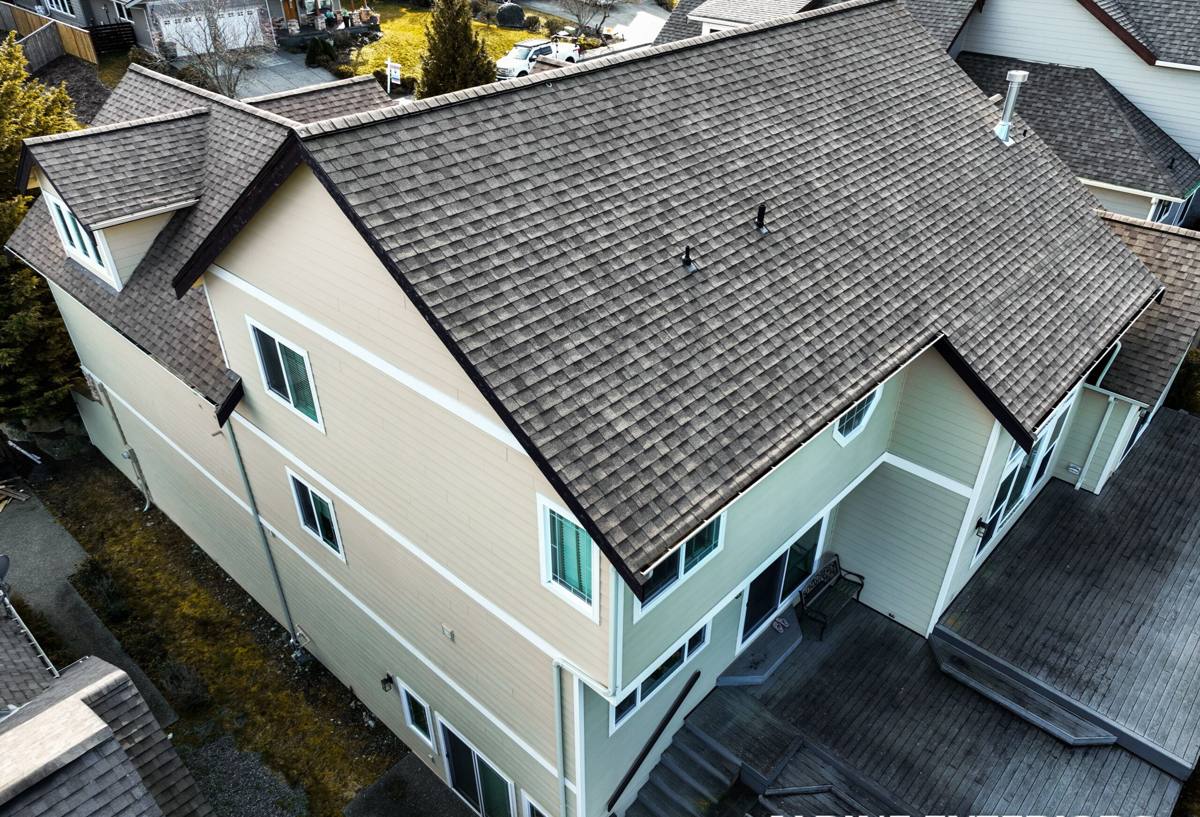
What Salt Air Actually Does to a Deck
Salt air doesn't just sit on the surface — it works into any exposed metal fastener, connector, or bracket and accelerates corrosion, especially where two dissimilar metals touch or where a fastener head is left uncapped. On a deck within a few miles of the water, standard galvanized hardware can start showing rust streaks and pitting well before the wood around it shows any wear. Once a fastener corrodes, it loses holding strength long before it looks bad enough to notice from a normal walk-around.
This matters most at structural connections — ledger boards, joist hangers, and post bases — because those are the points holding the deck to the house and to the ground. A deck can look completely sound on the surface while the hardware underneath is quietly failing.
What We Use Instead
- Stainless steel or heavy-duty coated structural screws and hangers rated for coastal/marine exposure, not standard exterior-grade hardware
- Properly flashed ledger connections so water can't sit against the house band board or the fastener heads
- Hidden or capped fastener systems on decking surfaces to reduce the number of exposed metal points overall
Driving Rain and Moisture Management
Whatcom County gets a lot of rain, but it's the wind-driven rain off the Sound that causes the real damage on Ferndale decks — it pushes water sideways into gaps, under ledger boards, and behind rim joists that a straight-down rain would never reach. A deck that isn't detailed for that kind of exposure will trap moisture in places that never fully dry out between storms, which is exactly where rot starts.
The fix isn't a different decking material by itself — it's the water management underneath and behind it. That means proper flashing at the house connection, a slight pitch built into the frame so water sheds away from the structure instead of pooling, and gaps between boards sized to let air move and water drain rather than sit.
Common Moisture Failure Points We See
| Location | What Goes Wrong | Correct Detail |
|---|---|---|
| Ledger board / house connection | Water gets behind the ledger and rots the house rim joist | Continuous flashing with a drip edge, sealed and lapped correctly with the house's water barrier |
| Post bases | Posts sit in standing water or wick moisture from wet soil | Elevated post bases that keep wood off concrete and off grade |
| Board spacing | Debris and moss pack tightly between boards and hold water against the wood | Consistent gap sized for the material, kept clear during framing so it doesn't tighten up over time |
| Stair stringers | End grain soaks up water and rots from the inside out | End-grain sealant and, where possible, covered or capped stringer ends |
Moss: A Longer Season Here Than Most Places
Moss needs shade and consistent moisture, and a lot of Ferndale lots — especially those with mature trees or homes close to wooded areas — offer both for most of the year. A deck surface that stays damp and shaded will grow moss whether it's wood or composite, but the material and the build details change how much of a problem that becomes and how hard it is to deal with.
Moss itself isn't just cosmetic. It holds moisture against the decking surface, and on wood decking that moisture retention is what accelerates rot and makes the surface slick and dangerous underfoot, especially on stairs.
Reducing Moss Without Constant Maintenance
- Design airflow into the deck where the site allows it — skirting with vents rather than solid enclosure
- Choose a decking profile with drainage grooves that actually clear debris instead of trapping it
- Keep board spacing consistent and slightly wider in shaded, low-sun areas
- Plan for periodic cleaning — no deck material in this climate is maintenance-free, and anyone who tells you otherwise is overselling it
Choosing the Right Decking Material for a Ferndale Property
There isn't one right answer — it depends on how much sun the deck gets, how close it is to the water, and how much upkeep the homeowner actually wants to do. We walk through this honestly with every client rather than pushing one product line.
| Material | Best For | Trade-Offs Here |
|---|---|---|
| Cedar | Homeowners who want a natural, traditional look and are willing to maintain it | Needs regular sealing/staining to resist moss and moisture; untreated cedar weathers fast in salt air |
| Composite decking | Low-maintenance decks, especially in shaded or moss-prone yards | Higher upfront cost; quality varies a lot between product lines, so we're selective about which brands we install |
| Pressure-treated wood | Budget-conscious builds, framing/substructure on any deck type | Needs consistent staining and sealing to hold up long-term in this climate; not our first choice for the visible surface on a coastal-exposed deck |
Whatever surface material a homeowner picks, the framing underneath gets built to the same standard — proper spans, corrosion-resistant hardware, and moisture management. The surface material is what you see; the framing is what determines how long the deck actually lasts.
Design Considerations Specific to Ferndale Lots
A lot of Ferndale properties combine open, wind-exposed areas with pockets of heavy tree cover, sometimes on the same lot. That mix changes how we approach layout and orientation.
Wind and Salt Exposure
On lots with more open exposure toward the water, we look at railing design and material choice with wind load and salt exposure in mind — metal railing components need the same corrosion-resistant spec as structural hardware, and glass or cable rail systems need hardware that won't pit and streak within a couple of seasons.
Shade and Tree Cover
On more wooded lots, we look at how much of the deck will stay shaded through the day and design drainage and board spacing accordingly, since those areas are where moss and moisture problems concentrate first.
Our Process for a Custom Deck Build
The process is the same core steps for every deck, but the specifics — hardware spec, flashing detail, material recommendation — get tailored to the site during the on-site visit, not guessed at from a blueprint.
- On-site assessment: We look at sun exposure, drainage, proximity to the water, existing structure (if replacing a deck), and how the space will actually be used.
- Design and material selection: We walk through material options honestly, including maintenance expectations, and design the layout, railing, and stair placement around the site.
- Permitting: Deck permits go through Whatcom County or the City of Ferndale depending on the property's jurisdiction. We handle the permit process as part of the job.
- Framing and structural work: This is where the corrosion-resistant hardware, proper flashing, and drainage pitch get built in — the part that determines longevity more than anything visible on the surface.
- Decking, railing, and finish work: Surface installation, railing, stairs, and any lighting or finish details.
- Final walkthrough: We go over the completed deck, maintenance expectations for the specific material installed, and answer questions before we consider the job done.
Maintenance Expectations After the Build
Every deck in this climate needs some level of ongoing care — the goal of a correct build is to reduce that burden, not eliminate it. We give every client a realistic maintenance rundown specific to their material and site conditions, generally covering:
- How often to clean debris out of board gaps and off railings, especially heading into fall
- Whether and how often the surface needs sealing or staining (wood decking) versus periodic washing (composite)
- Signs of hardware corrosion or early moisture damage to watch for at ledger and post connections
- How to safely remove moss buildup without damaging the surface or leaving it more slip-prone
Why Hire a Crew That Already Works Ferndale
A contractor who mostly builds decks in drier, inland parts of Washington will often default to standard hardware and standard details, because that's what works where they usually build. On a Ferndale property near the water, that same standard spec can lead to corroding fasteners and hidden rot within a few years — problems that don't show up until the damage is already done.
Working regularly in Whatcom County's coastal-influenced areas means we default to the marine-grade hardware, the flashing details, and the drainage-conscious layouts described above without treating them as an upsell. It's just the baseline for building something that holds up here. We also know the permitting process for both the City of Ferndale and unincorporated Whatcom County, which keeps the project moving instead of stalling on paperwork.
Get a Free Estimate for Your Ferndale Deck
Whether you're planning a new custom deck or replacing one that's showing its age, we're happy to walk your property, talk through material options honestly, and give you a clear picture of what a correctly built deck looks like for your specific site. Fill out the form below for a free, no-pressure estimate.