 Lynden Window
 Custer Sits in a Tougher Spot Than Most of Whatcom County
Custer is closer to the water than Lynden is. That difference matters more than it sounds like it should. Homes out this way catch salt-laden air moving in off the Strait and Birch Bay, sit lower and damper than the farmland further inland, and stay wet longer through the fall and winter because there's less sun exposure to dry siding out between storms. Add in a moss season that can run six months or more some years, and you've got a set of conditions that will find every weak point in a siding system faster than they will almost anywhere else in the county.
We install James Hardie fiber cement siding, and only James Hardie. This page is about what that looks like specifically for a Custer home — not a generic rundown of the product, but what it takes to get siding right in this particular pocket of Whatcom County.
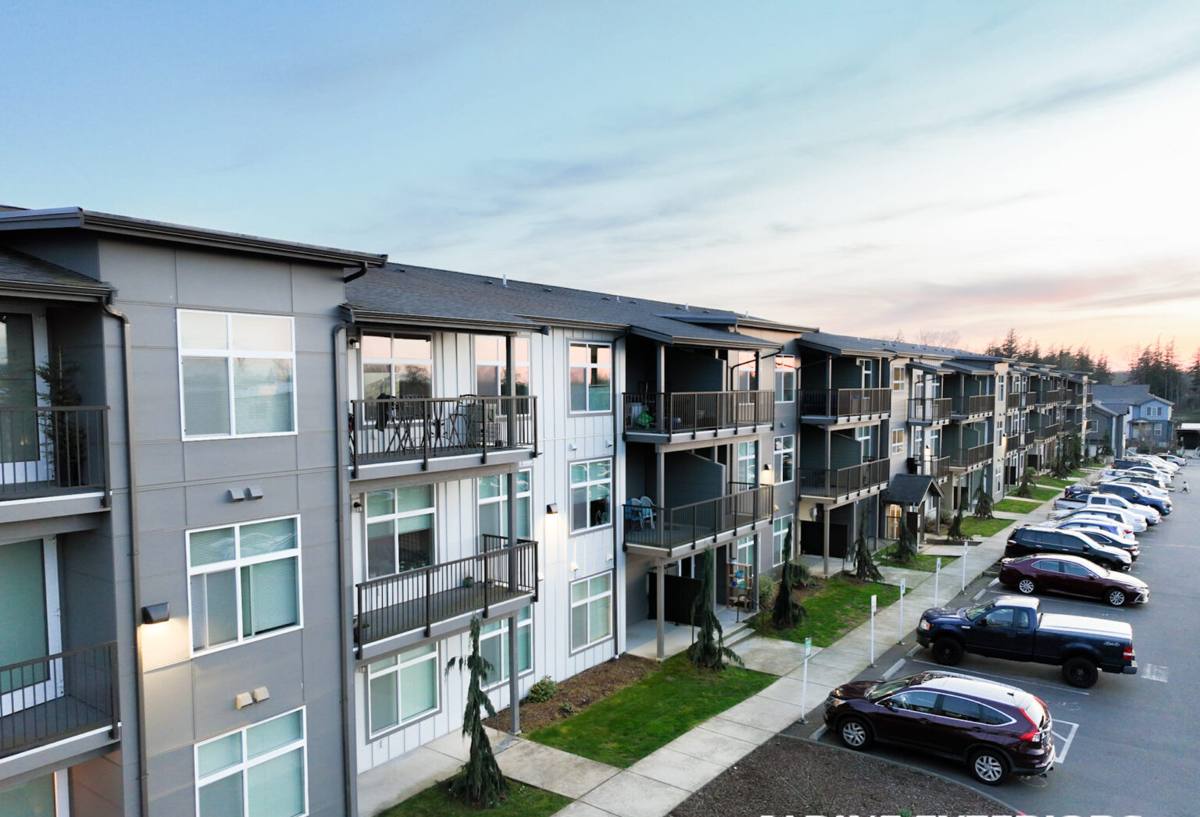
What Salt Air, Rain, and Moss Actually Do to Siding
Salt Air
Salt-laden moisture doesn't just sit on a surface — it works into seams, fastener heads, and any spot where paint has started to thin or chalk. Over years, that steady exposure accelerates finish breakdown on siding that wasn't built to handle it, which is why paint touch-ups and re-coats tend to come sooner for homes closer to the coast than for the same product installed twenty miles inland.
Driving Rain
Wind-driven rain doesn't fall straight down — it hits siding at an angle and gets pushed up under laps, around trim, and into any gap that wasn't flashed or caulked correctly. A siding system depends on water shedding down and out, not just resisting water that hits it head-on. Get the lap exposure, flashing, and joint details wrong, and moisture finds its way behind the siding regardless of how good the material itself is.
Moss and Algae
Shaded, north-facing, and lower walls in this area stay damp long enough for moss and algae to take hold, especially where trees or fences block airflow and sun. Moss holds moisture directly against a wall surface for extended periods, which is a slow but real threat to any siding material that isn't dimensionally stable and rot-resistant at its core.
Why James Hardie Is Built for This
James Hardie's HZ5 product line is engineered for exactly the freeze-thaw, high-moisture climate found across the Pacific Northwest, including this part of Whatcom County. It's fiber cement — sand, cement, and cellulose fiber — not wood, and not a wood-and-resin composite. That composition means it doesn't absorb water and swell the way wood-based siding can, and it won't rot from prolonged dampness the way cedar or engineered wood products eventually do if moisture gets past the finish.
The ColorPlus factory finish matters just as much as the substrate. It's baked on in a controlled environment with multiple coats and a clear topcoat, which gives it stronger resistance to fading, chalking, and the kind of finish breakdown that salt air accelerates on field-applied paint. That's a real advantage in a spot like Custer, where the coastal air is working against a painted finish every day of the year, not just during storms.
Fiber cement is also non-combustible, which is a meaningful consideration for the more rural, agricultural stretches around Custer where properties sit closer to fields, brush, and burn piles than they do in town.
What a Correct Installation Actually Involves
James Hardie siding performs the way it's supposed to only when it's installed to the manufacturer's specifications. Most of the siding failures we get called out to inspect — on any brand — trace back to installation shortcuts, not the material itself. For this climate, a few details matter more than others:
- Clearance from grade and hardscape: a minimum gap between the bottom of the siding and soil, decking, or paved surfaces so splash-back and standing moisture can't wick into the board.
- Correct fastening: proper fastener type, spacing, and penetration depth so panels stay secure without over-driving nails, which can crack the board or compromise the water-shedding lap.
- Weather-resistive barrier and flashing: a properly lapped house wrap, plus flashing at every window, door, and roof intersection, so wind-driven rain has a drainage path even if it does get behind the surface layer.
- Joint treatment: butt joints either flashed or caulked with a product rated for the movement and moisture exposure this climate produces, not just whatever caulk was on the truck.
- Field-cut sealing: any cut edge primed or sealed before it goes on the wall, since raw, unsealed edges are one of the more common places moisture problems start.
Skip any one of these and you can end up with a product rated for this exact climate failing anyway — not because Hardie doesn't hold up, but because it was put on wrong.
How Custer Homes Compare Across Siding Options
| Material | Salt Air / Moisture Behavior | Moss & Algae Resistance | Maintenance Over Time | Long-Term Cost Outlook |
|---|---|---|---|---|
| Vinyl | Can warp, fade, and become brittle faster near the coast | Moderate — surface growth cleans off but returns | Low, but panels crack or bow with age and can't be easily repaired in sections | Lower upfront, but full replacement is common well before Hardie's expected service life |
| Cedar / Wood | Absorbs moisture; prone to rot without diligent upkeep | Poor — organic surface, feeds growth | High — regular staining, sealing, and rot inspection required | Ongoing maintenance cost adds up quickly in a wet climate like this one |
| LP SmartSide (engineered wood) | Better than raw wood but still moisture-sensitive at cut edges and seams | Moderate — surface can still host growth if damp | Moderate — edge sealing and finish upkeep matter more here than in drier climates | Mid-range upfront, but sensitive to installation quality in this climate |
| James Hardie Fiber Cement | Dimensionally stable, doesn't swell or rot from moisture exposure | Good — dense, non-organic material resists sustained growth | Low — occasional wash-down, factory finish holds up longer than field-applied paint | Higher upfront, lower lifetime cost with correct installation and factory finish |
Our Process on a Custer Job
We start with a walk-around of the house, not just a quote form. That means checking existing siding for hidden moisture damage, looking at grading and drainage around the foundation, and noting shaded or low-airflow walls that are more prone to moss buildup. From there:
- We remove existing siding and inspect the sheathing underneath for rot or water intrusion before anything new goes up — you don't want a new finish covering an old problem.
- We install or repair the weather-resistive barrier and flashing at every penetration, window, and roofline before a single piece of Hardie board goes on.
- Panels and lap siding go up per James Hardie's installation manual, with fastener spacing, clearances, and joint treatment matched to this region's exposure category.
- We do a final walk-through with the homeowner, cover care basics for the specific ColorPlus color chosen, and leave the job site clean.
Why It Matters That We Already Work in Custer
A crew that hasn't worked this specific stretch of Whatcom County will treat every home the same way regardless of how close it sits to the coast. A crew that has worked Custer knows which walls tend to hold moisture longest, how far the salt exposure reaches inland from the water, and where moss problems show up first on a typical lot out here. That local pattern recognition changes small decisions on the job — where extra flashing attention goes, which walls get priority during scheduling around weather windows — in ways that add up to a siding job that holds up rather than one that just looks right on install day.
It also means fewer surprises on timeline. We know the weather patterns that affect scheduling in this area and plan installation windows around them rather than around convenience.
Keeping James Hardie Siding Looking Right in This Climate
- Rinse siding down once or twice a year with a garden hose and soft brush, focusing on shaded and north-facing walls where moss and algae take hold first.
- Trim back trees, shrubs, and fence lines that block airflow or sun against the siding — airflow is one of the simplest defenses against sustained moss growth.
- Keep gutters clear so overflow doesn't run down the face of the siding repeatedly in the same spot.
- Touch up any nicks or scratches with a Hardie-matched touch-up product before bare fiber cement is exposed to moisture for an extended period.
- Have caulking at joints and trim inspected every few years — caulk is the one component that wears out well before the siding itself does.
If you're weighing siding options for a home in the Custer area, we're glad to come take a look and give you a straightforward, no-pressure estimate — no scare tactics about what's currently on your walls, just an honest read on where things stand and what correct James Hardie installation would look like for your specific property.