 Lynden Window
 Roofing in Blaine Faces a Different Set of Problems
Blaine sits close enough to the water that salt-laden air, wind-driven rain, and long stretches of gray, damp weather are just part of owning a home here. Asphalt shingle roofs handle this climate well when they're installed correctly, but the margin for error is smaller than it is inland. A roof that would hold up fine in a drier part of Whatcom County can start showing problems years early here if the underlayment, flashing, or ventilation weren't done right the first time.
This page is about one thing: asphalt shingle roofing for homes in and around Blaine. Not a general overview of roofing everywhere — the specific conditions this coastal area puts on a roof, and what actually needs to happen for a shingle roof to hold up against them.
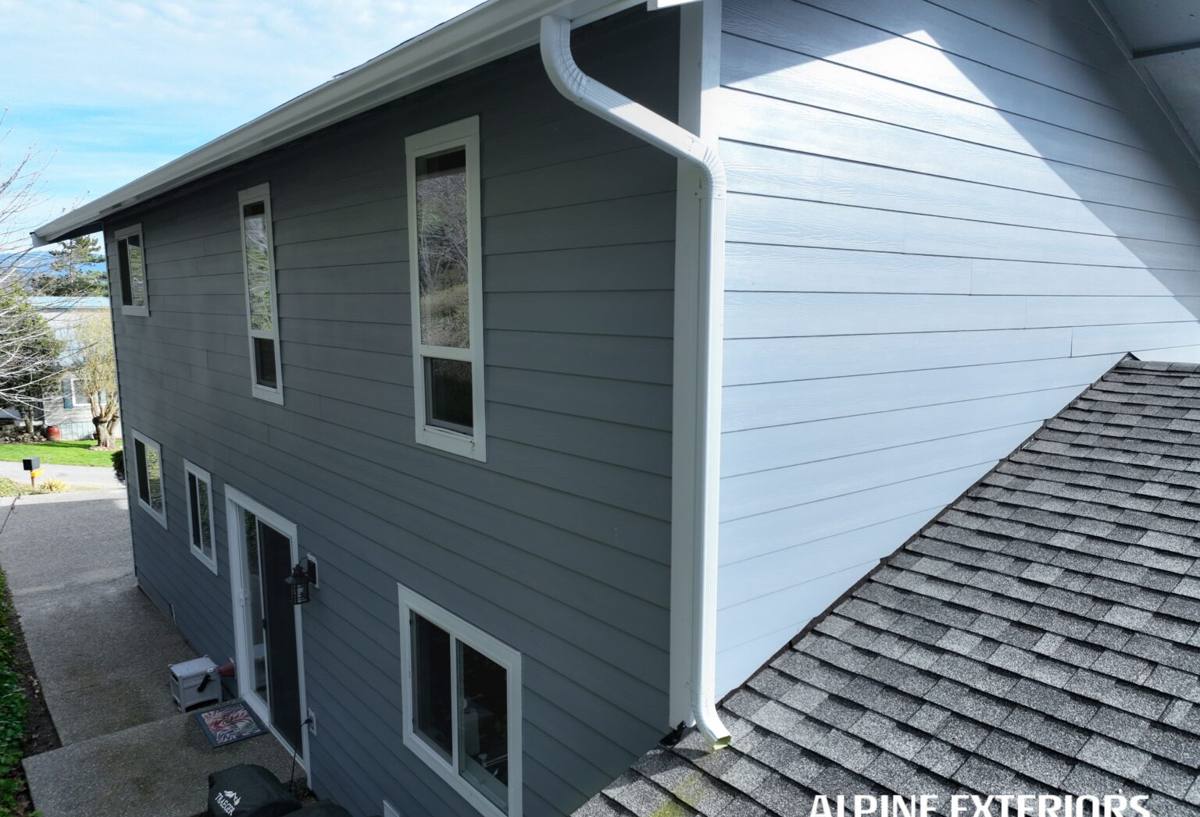
What Coastal Exposure Actually Does to a Shingle Roof
Salt Air and Metal Components
Salt air doesn't hurt the shingles themselves much, but it's hard on every metal component on the roof — nail heads, flashing, vents, and drip edge. Lower-grade fasteners and thin flashing corrode faster near the coast, and once a nail head starts to go, water finds its way underneath the shingle around it. This is why fastener and flashing quality matters more here than it would forty miles inland.
Driving Rain and Wind-Driven Water
Rain that comes in sideways during a coastal storm doesn't behave like rain falling straight down. It gets pushed up under shingle tabs, into valleys, and around chimney and vent flashing at angles a standard installation doesn't always account for. Roofs here need tighter seal strips, properly lapped underlayment, and flashing details sized for wind-driven water, not just gravity drainage.
Moss, Moisture, and Shade
Blaine's long wet season and the tree cover common in Whatcom County neighborhoods create ideal conditions for moss and algae growth on north-facing and shaded roof slopes. Moss doesn't just look bad — it holds moisture against the shingle surface, works its way under tabs, and can lift shingles enough to let water in. A roof that never dries out between rain events ages faster than one with good airflow and sun exposure.
Signs a Blaine Roof Needs a Closer Look
- Granules collecting in gutters or at downspout outlets — a sign shingles are wearing thin
- Dark streaking or thick moss growth, especially on shaded or north-facing slopes
- Curling, cupping, or lifted shingle edges, particularly on the side that takes the most wind
- Rust staining around vent pipes, chimney flashing, or nail heads
- Soft spots in the decking felt when walking the roof, or sagging visible from the ground
- Daylight or water stains in the attic, especially near valleys or chimneys
- A roof approaching or past 20 years old with no major work done since installation
Any one of these on its own might just mean a repair. Several at once, especially on a roof already past the 15-20 year mark, usually means it's time to talk about replacement instead of patching.
What a Correct Asphalt Shingle Installation Actually Involves
A shingle roof is a system, not a single layer of material. Skipping or under-building any one part of that system is where most premature failures start, especially in a climate that doesn't give a roof much room for error.
Tear-Off and Deck Inspection
We remove the existing roofing down to the deck rather than layering over old shingles. That's the only way to actually see the condition of the sheathing underneath — soft, rotted, or delaminated decking has to be replaced before anything new goes down, or the new roof is being installed over a problem instead of a fixed one.
Underlayment
Given how much wind-driven rain this area sees, we don't treat underlayment as an afterthought. Ice-and-water shield style membrane goes in the valleys, along eaves, and around penetrations, with synthetic underlayment across the rest of the deck. This is the layer that protects the home if wind ever drives water past the shingles themselves.
Flashing
Flashing around chimneys, skylights, sidewalls, and vent pipes is where most roof leaks actually originate — not the open field of shingles. We use corrosion-resistant flashing and step-flash sidewalls and chimneys properly rather than relying on caulk or sealant to do a metal detail's job.
Fasteners
Nail placement and nail quality both matter more near the coast. Correctly placed, corrosion-resistant nails driven flush (not overdriven, not underdriven) hold shingles through wind events and resist the corrosion that shortens fastener life in salt air.
Ventilation
Balanced intake and exhaust ventilation keeps the attic and roof deck closer to outdoor temperature and humidity. That matters two ways here: it reduces the condensation that can rot decking from underneath, and it helps shaded roof slopes dry out faster after rain, which slows moss regrowth.
Choosing a Shingle for This Climate
Not every asphalt shingle product is built the same way, and the differences matter more in a coastal, high-moisture climate than they would somewhere drier. We walk homeowners through the real trade-offs rather than just selling the top of the price list.
| Shingle Type | Typical Lifespan | Moss/Algae Resistance | Best Fit For |
|---|---|---|---|
| Standard 3-tab | 15-20 years | Low unless treated | Budget-conscious rentals or short-hold properties |
| Architectural/laminate | 25-30 years | Moderate to good with algae-resistant granules | Most owner-occupied Blaine homes |
| Algae-resistant (copper/zinc granule) | 25-30 years | Good — actively resists streaking and moss | Shaded lots, north-facing slopes, tree-heavy properties |
| Impact-rated/premium laminate | 30+ years | Good | Owners planning to stay long-term or wanting the longest service life |
For most Blaine properties with any shade or tree cover, we lean toward algae-resistant architectural shingles. The upfront cost difference over standard 3-tab is modest, and the reduced moss and streaking pays for itself in fewer cleanings and longer shingle life.
Our Process, Start to Finish
Roof Assessment
We start with a full roof walk, not just a look from the ground — checking the deck, flashing, ventilation, and any moss or moisture problem areas so the estimate reflects the actual condition of your roof, not a guess.
Written Estimate
You get a clear, itemized estimate covering materials, tear-off, deck repair allowances, and flashing work — no vague lump-sum number that hides what you're actually paying for.
Installation
Tear-off, deck repair as needed, underlayment, flashing, and shingle installation, done in the order that keeps your home protected at every stage — we don't leave a deck exposed overnight if weather is a risk.
Final Walkthrough and Cleanup
We walk the finished roof with you, cover ventilation and any maintenance recommendations specific to your property's shade and exposure, and do a magnetic sweep of the yard for stray fasteners before we consider the job done.
Cost Factors Worth Understanding
Every roof is priced based on its own specifics, but a few factors consistently move the number more than others on Blaine homes:
- Roof size and pitch — steeper roofs take longer and require more safety setup
- Deck condition — hidden rot found during tear-off adds material and labor to fix properly
- Layers to remove — roofs with more than one existing layer take longer to tear off
- Shingle grade chosen — standard vs. architectural vs. algae-resistant products
- Flashing and penetration count — chimneys, skylights, and multiple vent pipes add detail work
- Ventilation upgrades — adding proper intake/exhaust venting where a home currently has little or none
We'd rather walk your roof and give you real numbers than quote a range that doesn't mean much either way. That's part of what the estimate visit is for.
Why a Crew That Already Works Blaine Matters
A roofer who works this stretch of Whatcom County regularly already knows what the salt air, coastal wind, and moss season do to a roof over time — not from a manual, but from having pulled off enough failed roofs to see the pattern. That shows up in the details: which flashing details actually hold up here, which shingle products handle the shade and moisture well, and how to sequence a tear-off around weather that can turn quickly this close to the water.
It also means straightforward accountability. We're not passing through — we're doing work on homes in the community we live and operate in, and we'd rather build a roof right the first time than get called back for a leak two winters from now.
Get a Straightforward Estimate
If your roof is showing granule loss, moss buildup, or is simply getting old enough to plan ahead for, we're happy to take a look and give you an honest read on repair versus replacement. Reach out below for a free, no-pressure estimate on asphalt shingle roofing for your Blaine home.