 Lynden Window
 Roofing for Kendall's Particular Climate
Kendall sits in that stretch of Whatcom County where the weather does not do things by halves. Winters bring long stretches of driving rain that comes in sideways off the foothills, spring and fall carry damp marine air pushing inland from the Sound, and shaded rooflines can stay wet for days after a storm passes everyone else's neighborhood. That combination is hard on a roof in ways that don't show up right away. A roof that would hold up fine in a drier climate can start failing here within a decade if it wasn't built with this specific weather in mind.
We've installed and repaired roofs throughout the Lynden area long enough to know which failure patterns are local and predictable, not random bad luck. Moss colonization in shaded valleys, nail corrosion under wet insulation, ice-dam damage during the occasional hard freeze, and soffit rot from blocked ventilation are the calls we get most. A correctly installed roof in Kendall isn't just about shingles going down straight — it's about managing water and moisture at every layer, because the water here doesn't just fall once and drain away. It lingers.
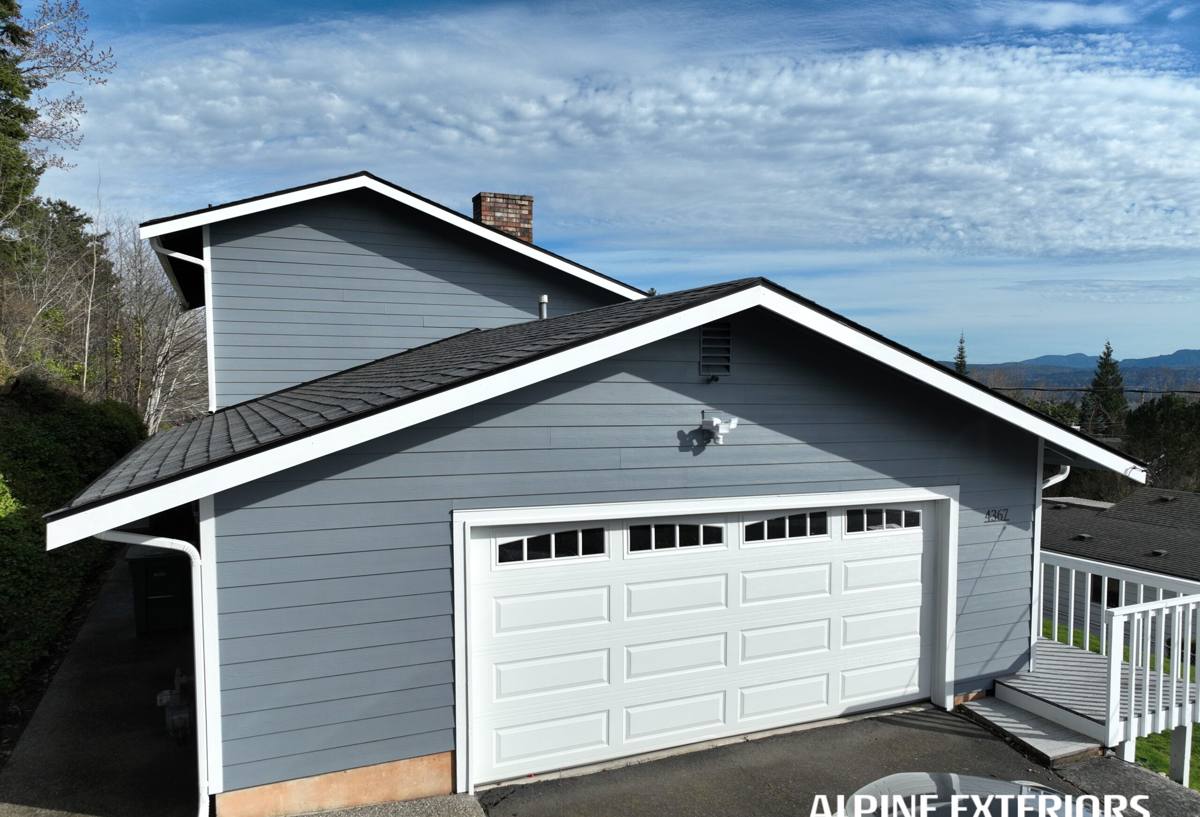
What a Correct Installation Actually Requires Here
A new roof is a system, not a single product. Underlayment, flashing, ventilation, and the roofing material itself all have to work together, and in a climate with this much sustained moisture, cutting a corner on any one of them shortens the life of the whole roof.
Underlayment That Can Take a Beating
Standard felt underlayment is a minimum, not a standard, for this area. We use synthetic underlayment or self-adhered membrane in the areas most exposed to wind-driven rain and ice — valleys, eaves, and around every penetration. That extra layer is cheap insurance against the wind-blown rain that gets under shingles during a strong winter storm.
Flashing Done Right the First Time
Most roof leaks in this region don't come from failed shingles — they come from flashing that was reused, undersized, or installed with the wrong lap direction. Chimneys, skylights, dormers, and wall-to-roof transitions all need new, correctly formed flashing, not a bead of sealant asked to do a flashing's job. Sealant fails; properly lapped metal does not.
Ventilation That Matches the Attic
Balanced intake and exhaust ventilation keeps moist air from condensing inside the attic during our cool, wet months. An under-ventilated attic in a climate like Kendall's can rot sheathing from the inside before a homeowner ever sees a stain on the ceiling. We calculate net free ventilation area for the actual attic, not a generic rule of thumb.
Choosing a Roofing System for a Kendall Home
There is no single "best" roofing material — there's a best fit for the home's roof pitch, exposure, and how long the owner plans to stay in it. Here's how the common options stack up for this specific climate.
| Material | Moisture & Moss Resistance | Typical Lifespan Here | Maintenance Burden |
|---|---|---|---|
| Architectural asphalt shingle | Good with proper underlayment; algae-resistant granules help | 25-30 years | Periodic moss and debris cleaning |
| Standing seam metal | Excellent; sheds moisture fast, nothing for moss to grip | 40-50+ years | Low; occasional fastener check |
| Composite/synthetic shake | Very good; engineered to resist rot that real cedar can't | 30-40 years | Low to moderate |
| Natural cedar shake | Requires diligent upkeep in wet climates; prone to moss and rot without it | 20-30 years with maintenance | High |
For most Kendall homes we recommend architectural asphalt or standing seam metal, depending on roof pitch and budget. Asphalt gives excellent value and a wide color range; metal costs more up front but essentially eliminates the moss problem and outlasts two or three asphalt roofs. We'll walk you through the honest trade-offs for your specific roof rather than push one product.
Our Installation Process, Step by Step
- On-site inspection and measurement. We assess the existing roof, decking condition, ventilation, and any problem areas — valleys, chimneys, low-slope sections — before quoting anything.
- Tear-off and deck inspection. Old material comes off down to the sheathing, which lets us find soft or rotted decking that would otherwise get covered up and cause problems later.
- Deck repair. Any compromised sheathing is replaced before anything else goes down. This step gets skipped by corner-cutting crews more than any other, and it's the one that causes the most expensive failures down the road.
- Underlayment and ice/water membrane. Installed with extra protection at eaves, valleys, and penetrations.
- Flashing. New flashing at every roof-to-wall, roof-to-chimney, and roof-to-vent transition.
- Roofing material installation. Installed to manufacturer spec and local building code, with attention to nailing pattern and exposure — both of which affect wind resistance.
- Ventilation tie-in. Ridge and soffit vents connected and verified for balanced airflow.
- Final walk-through and cleanup. We review the finished roof with you and do a full magnetic sweep and yard cleanup before we leave.
Moss and Debris: The Slow Damage Nobody Notices Right Away
Kendall's tree cover and shaded rooflines mean moss isn't an occasional nuisance — it's a near-constant seasonal presence for many properties. Moss holds moisture against the roofing surface, works its way under shingle edges, and lifts granules, all of which shortens roof life well before the material would otherwise wear out. A new roof installation is the right time to address this properly: algae-resistant shingle options, zinc or copper strips at the ridge for ongoing moss suppression, and a roof design that minimizes the deep-shade valleys where moss thrives hardest.
Gutters matter here too. A new roof paired with clogged or undersized gutters just moves the water problem to the fascia and soffits instead of solving it. We'll flag gutter issues during the estimate rather than let a good roof get undermined by a bad drainage system.
What Drives Cost on a Kendall Roofing Project
Every roof is different, and we won't quote a number without seeing yours, but these are the main factors that move the price up or down.
| Cost Factor | Why It Matters |
|---|---|
| Roof size and number of stories | More surface area and steeper access both add labor time |
| Pitch and complexity | Steep roofs and roofs with many valleys, dormers, or penetrations take longer to flash correctly |
| Existing deck condition | Rotted sheathing found during tear-off adds material and labor not visible from the ground |
| Material selection | Asphalt, metal, and composite carry different material and labor costs |
| Ventilation upgrades | Adding or correcting intake/exhaust venting is inexpensive during a full re-roof, costly to retrofit later |
Generally, a straightforward asphalt shingle re-roof on a typical single-family home costs meaningfully less than a standing seam metal installation, with composite shake landing in between. We'll give you real numbers for your roof, not a range pulled from a national average that doesn't account for local labor and material realities.
Why It Matters That We Already Work in Kendall
A crew that only occasionally works this far out from Bellingham or the coast doesn't always know which details matter most for this specific pocket of Whatcom County — how much shade a given roof orientation actually gets through the winter, which valley configurations collect the worst moss, or how driving rain off the foothills behaves differently than a straight-down downpour. We're not guessing at that. We've seen how roofs in and around Lynden and Kendall actually age, which is what lets us make ventilation and flashing decisions based on how this climate behaves over years, not just what a spec sheet says.
There's also a simple accountability piece to working local: if a question comes up after the job, we're not driving in from three counties away to answer it.
Signs Your Current Roof Is Telling You It's Time
- Granules collecting in gutters or at the base of downspouts
- Shingles that are curling, cupping, or missing at the edges
- Moss or algae streaking that keeps returning after cleaning
- Daylight visible through the attic roof deck
- Soft spots or noticeable sagging along the roofline
- Interior ceiling stains, especially near chimneys or valleys
- A roof approaching or past its material's expected lifespan
- Rising energy bills that may point to failing attic ventilation or insulation
None of these by itself always means a full replacement is due — some are repairable. But two or three showing up together, especially on a roof already past the 20-year mark, usually means repair costs are heading toward the point where a new roof is the more sensible investment.
Getting Started
If you're weighing a new roof for your Kendall home, we're happy to come take a look, walk the roof, and give you a straight answer about what condition it's really in — no pressure, no inflated urgency. Use the form below to request a free estimate, and we'll work with you on timing and material choices that make sense for your home and your budget.