 Lynden Window
 Metal Roofing Built for Abbotsford's Climate
Abbotsford sits close enough to the water and to the Fraser Valley's wet weather patterns that roofs here take a beating most inland homes never see. Salt-laden air off the coast, long stretches of driving rain through fall and winter, and a moss season that can run most of the year all work against a roof at the same time. A metal roof handles that combination better than most materials, but only when it's specified and installed correctly for this specific environment. A panel system that works fine in a dry inland climate can underperform here if the details aren't right.
This page covers what actually matters for a metal roof on an Abbotsford, BC home: the climate factors driving the decisions, what a correct installation looks like, and how our process works for homeowners in this area.
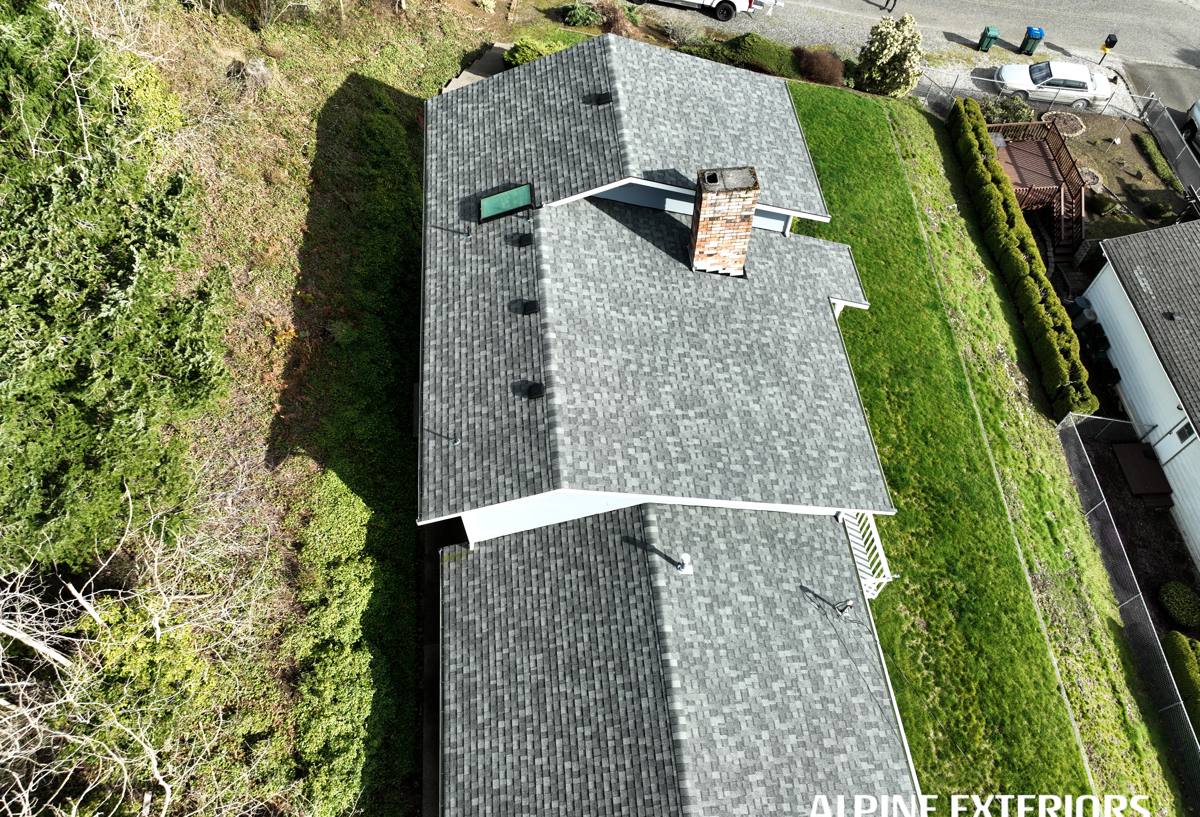
What Local Roofs Are Up Against
Salt Air and Coastal Moisture
Abbotsford isn't right on the coast, but it's close enough that salt-laden moisture in the air is a real factor, especially on homes with more open exposure. Salt air accelerates corrosion on unprotected or poorly coated metal, which is why the coating system on a metal roof matters as much as the base metal itself. A panel with a weak or thin coating will show premature rust or coating breakdown well before it should, particularly at cut edges, fastener heads, and flashing seams where the protective layer is most vulnerable.
Driving Rain
Storms in this part of Whatcom County and the Fraser Valley regularly bring rain sideways, not straight down. That changes how water moves across a roof. Wind-driven rain finds its way under improperly lapped panels, undersized flashing, and fastener patterns that don't account for wind uplift. A roof that sheds water fine in a light straight-down rain can still leak in a driving storm if the laps and flashing weren't built for it.
Moss and Organic Growth
The long wet season here means moss, algae, and lichen have plenty of time to establish themselves on any roof surface that stays damp and shaded. Metal roofing resists moss far better than shingles or wood because there's no porous surface for spores to root into, but moss can still build up in valleys, at panel laps, and anywhere debris collects and holds moisture against the metal. Left unaddressed, trapped moisture accelerates coating wear and can hold water against seams longer than the system was designed for.
Choosing the Right Metal Roofing System
Not all metal roofing is built the same way, and the right choice for an Abbotsford home depends on the roof's pitch, exposure, and how long you want to go between maintenance. The two main categories homeowners choose between are standing seam and exposed-fastener panels, with metal shingles as a third option for homes that want the look of traditional roofing with metal's durability.
| System | How It's Fastened | Best Fit For This Climate | Maintenance |
|---|---|---|---|
| Standing seam | Concealed clips, no exposed fasteners through the panel face | Best moisture and wind resistance; strongest choice for driving rain and coastal exposure | Low — no exposed fasteners to fail or corrode over time |
| Exposed-fastener panel | Screws driven through the panel face into the deck or purlins | Workable for lower-exposure roofs, but fasteners are the weak point in salt air | Higher — fasteners and washers need periodic inspection and eventual replacement |
| Metal shingles/shakes | Interlocking panels resembling shingle or shake profiles | Good option where a traditional look is wanted with metal's moss and fire resistance | Moderate — more seams than standing seam, but no exposed fastener heads |
For most homes in this area, we lean toward standing seam or a quality interlocking panel system because the concealed-fastener design removes the most common failure point in a salt-air, high-rain climate: fastener corrosion and the small leaks that follow it. Exposed-fastener systems aren't wrong for every application, but we're upfront that they carry a higher long-term maintenance burden here, and we'll walk through that trade-off honestly rather than push whatever is easiest to install.
What a Correct Installation Actually Involves
Deck Condition and Underlayment
Metal roofing is only as good as what's underneath it. Before any panel goes down, the deck needs to be sound, dry, and free of rot — a common issue on older roofs that have dealt with years of moisture intrusion. A high-quality synthetic or self-adhered underlayment, particularly at eaves and valleys, is what protects the deck if wind-driven rain ever gets past the panel laps. Skipping or skimping on underlayment is one of the most common corners cut on cheaper installs, and it's the kind of shortcut that doesn't show up as a problem until years later.
Flashing and Penetrations
Every place a roof isn't just flat panel — valleys, chimneys, vent pipes, skylights — is a place water can find a way in if the flashing isn't detailed correctly. Metal roofing flashing needs to be sized, lapped, and sealed for the actual water volume this region sees, not a generic minimum. This is usually where a rushed or inexperienced install fails first.
Fastening and Panel Layout
Panel layout needs to account for prevailing wind direction and roof exposure so laps face away from the driving rain this area gets. Fastener spacing and clip selection also need to match the local wind load requirements, not just whatever the panel manufacturer's minimum spec allows.
Ventilation
Proper attic or roof-deck ventilation keeps moisture from condensing under the metal from the inside, which is just as important as keeping rain out from the outside. In a climate this wet, poor ventilation can lead to trapped moisture and deck damage even on a roof that's shedding rainwater perfectly.
Common Trouble Spots We See
- Moss and debris buildup in valleys and against chimneys, holding moisture against the panel longer than intended
- Undersized or poorly lapped flashing at roof-to-wall transitions
- Exposed fasteners with failed or missing washers letting water track down the screw shaft
- Panels installed with laps facing the prevailing wind and rain direction
- Missing or inadequate underlayment at eaves, leaving the deck exposed if a panel lap ever fails
- Poor or blocked attic ventilation contributing to condensation under the roof deck
Our Process for Abbotsford Homes
Assessment
We start with an on-site look at the existing roof, deck condition, exposure, and any trouble spots specific to the property — orientation matters a lot here given how directional the driving rain can be.
Tear-Off vs. Overlay
Depending on the condition of the existing roof and local code, a metal roof can sometimes go over an existing layer, but we're straightforward about when that's not the right call. If the deck has moisture damage or the existing roofing won't provide a sound base, we'll recommend a full tear-off rather than build a new roof on top of a compromised one.
Installation
We install underlayment, flashing, and panels in the sequence and detail that this climate calls for — not the fastest sequence, the correct one. That includes proper lap direction, flashing at every penetration, and fastening specified for local wind exposure.
Final Walkthrough
Once the job is done, we walk the roof and the details with the homeowner so you know what was done and what to watch for going forward.
Maintaining a Metal Roof in This Climate
- Clear debris and moss from valleys and low-slope areas at least once a year
- Check flashing around chimneys, vents, and skylights for any sign of lifting or gapping
- Keep gutters clear so water isn't backing up against the eave edge
- Trim back overhanging branches that shade the roof and slow drying after rain
- Have exposed-fastener systems inspected periodically for fastener and washer condition
- Address any coating scratches or damage promptly to prevent localized corrosion
Why a Local Crew Matters
A metal roof installed by a crew unfamiliar with this specific stretch of climate — the salt air, the driving rain patterns, the length of the moss season — is more likely to miss the details that actually matter here. We work this area regularly, which means we know which roof orientations take the worst of the weather, which trouble spots show up again and again on older homes, and how to detail a roof so it's built for what it will actually face here, not a generic installation spec. That local familiarity shows up in fewer callbacks and a roof that holds up the way it's supposed to.
If you're weighing a metal roof for a home in Abbotsford, BC or anywhere in the surrounding area, we're happy to take a look and give you a straight assessment — no pressure, no upsell. Reach out for a free estimate using the form below.