 Lynden Window
 Windows Built for Deming's Wet, Wooded Corner of Whatcom County
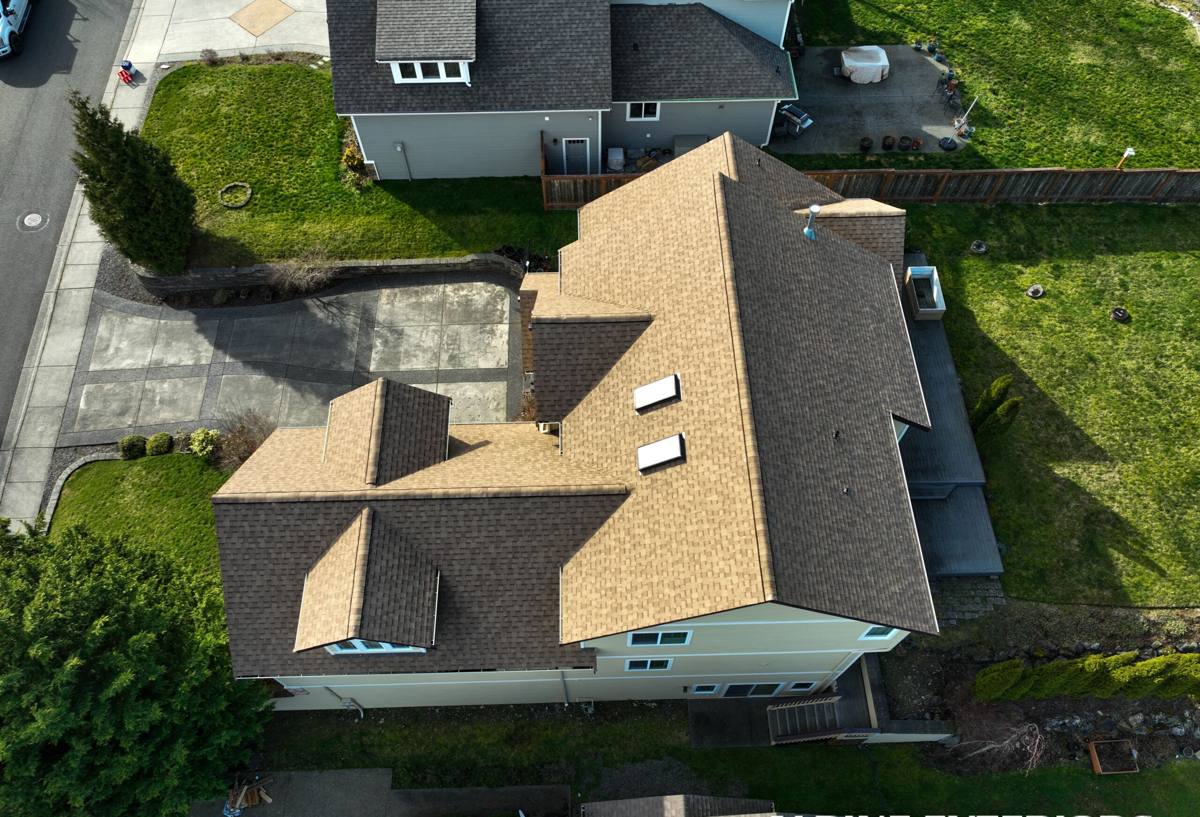
Deming sits up the Mount Baker Highway corridor along the Nooksack River, in the wooded, unincorporated stretch of Whatcom County between the valley floor and the foothills leading toward Mount Baker. It's a different setting than the flat farmland around Lynden proper or the open, wind-exposed ground closer to the water. Homes here tend to sit on larger, tree-covered lots, often shaded for much of the day, with more direct exposure to the moisture the river corridor and surrounding forest hold onto through the fall, winter, and spring. That combination — heavy tree cover, river humidity, and a long wet season — puts real, sustained pressure on windows specifically, because windows are where a home's building envelope has the most seams, the most moving parts, and the most opportunities for both air leakage and moisture intrusion.
Whatcom County as a whole deals with salt-laden air on winter storms, driving rain that comes at walls sideways rather than straight down, and a moss season that can run most of the year on shaded surfaces. Deming, being well inland and up in elevation from the coastline, doesn't take the same direct salt exposure a waterfront property does — but it gets its own version of the same problem. Rainfall tends to run heavier here than on the valley floor as storms lift over the foothills, and the tree canopy that makes these lots attractive also keeps walls, trim, and window frames shaded and damp longer after every rain. For window performance, shade and moisture retention matter just as much as wind and salt do.
What Deming's Climate Actually Does to Windows
Sustained Humidity from the River and Tree Cover
A property close to the Nooksack River, or surrounded by mature trees, holds humidity longer than an open, sun-exposed lot does. That humidity doesn't just sit in the air — it sits against window glass and frames, especially on north-facing or heavily shaded elevations that never get a real chance to dry out between storms. Persistent moisture against glass and frame components is exactly the condition that accelerates seal failure on older or lower-grade windows.
Driving Rain and Foothill Weather
As storms move inland from the Salish Sea and start climbing toward the foothills, they tend to wring out more rain over areas like Deming than they do over the flatter ground closer to Lynden or Bellingham. That means more total wet-season exposure at the window level — more cycles of water reaching flashing, seams, and sills — even without the direct wind-driven salt spray a coastal property deals with.
A Long Moss and Mildew Season
Shade and moisture together are what moss and mildew need to establish, and a tree-covered Deming lot offers plenty of both for much of the year. Window sills, wood trim, and the framing around older windows are common places it takes hold first, particularly on elevations that stay shaded most of the day. Anything porous, or any spot where water lingers instead of draining away, becomes a growth surface over time.
Wide Temperature Swings Between Seasons
Deming's proximity to the mountains means it sees a wider seasonal and daily temperature range than the milder marine-moderated lowlands closer to the water — colder cold snaps in winter, warmer stretches in summer. That swing matters for window performance because a poorly insulated frame or a failed seal shows up as real discomfort: cold drafts near the glass in winter, unwanted heat gain in summer, and condensation forming on interior glass when warm indoor air meets a cold pane.
What "Energy-Efficient" Actually Means in a Window
"Energy-efficient" gets used loosely in window marketing, but it comes down to a handful of measurable properties, all of which are rated and labeled by the National Fenestration Rating Council (NFRC) so homeowners can compare products on an apples-to-apples basis rather than taking a sales pitch at face value.
- U-factor: Measures how well the window resists heat flow. Lower numbers mean less heat escapes through the window in winter — this is the number that matters most for a cold-snap climate like Deming's.
- Solar Heat Gain Coefficient (SHGC): Measures how much solar heat passes through the glass. Lower numbers mean less unwanted heat gain, which matters more on sun-exposed elevations even in a mostly shaded, mostly cool climate.
- Air leakage rating: Measures how much outside air infiltrates around the sash and frame. Lower is better, and this number is directly tied to how drafty a window feels regardless of the glass quality.
- Condensation resistance: Not always labeled, but a real factor in a humid, tree-shaded setting — a well-built frame and multi-pane glazing with a quality gas fill resists interior condensation far better than a single-pane or aging double-pane unit.
None of these numbers mean much in isolation. A window with an excellent U-factor rating installed with poor flashing will still leak air and water around the frame, and the whole-window performance ends up worse than the glass rating alone would suggest. That's why we treat installation quality as inseparable from the window's efficiency rating — the label tells you what the window can do under ideal conditions, not what it will actually do on your house.
Signs a Deming Home's Windows Are Losing Efficiency
- Noticeable drafts or cold spots near window frames, especially during winter cold snaps
- Condensation or fogging forming between the panes of a double-pane window
- Interior condensation on the glass itself during cold, damp mornings
- Wood sills or trim that feel soft, look discolored, or show early signs of rot
- Rooms near large or older windows that are noticeably harder to keep comfortable than the rest of the house
- Visible gaps, cracked caulk, or daylight showing where the frame meets the siding
- Moss or mildew building up on sills and trim faster than on the rest of the exterior
Frame and Glazing Options: What Actually Matters Here
We install vinyl and fiberglass window systems suited to the Pacific Northwest's wet, mild-but-variable climate, and we talk homeowners through real trade-offs rather than pushing one brand as the universal right answer. For a Deming property specifically, the priorities are a tightly sealed frame, a glazing package that handles both winter heat loss and interior condensation, and hardware that holds up to sustained dampness rather than intermittent exposure.
| Factor | Vinyl Frame | Fiberglass Frame |
|---|---|---|
| Moisture and rot resistance | Excellent — non-porous, doesn't absorb water | Excellent — non-porous, dimensionally stable |
| Performance across temperature swings | Good; some expansion and contraction with heat | Very stable; minimal expansion or contraction |
| Typical installed cost | Generally lower | Generally higher |
| Color and finish flexibility | Limited to factory colors | Can typically be painted or refinished |
| Best fit | Most standard replacement projects | Larger openings or homes wanting paintable trim-matched frames |
Glazing Packages for a Foothill Climate
Double-pane windows with a Low-E coating and an argon or krypton gas fill are the practical baseline for a Deming home, given how much this area's damp, shaded conditions push condensation risk. Triple-pane glazing offers a further step up in insulation value and can make sense on north-facing elevations or larger window openings that see the most heat loss, though it adds weight, cost, and sometimes frame depth considerations worth discussing before ordering.
Installation Is What Actually Delivers the Energy Savings
A high-efficiency window rated well on paper will underperform — sometimes badly — if it's installed poorly. This is the part of the job that doesn't show up on a spec sheet but determines whether a homeowner actually sees the comfort and efficiency improvement they're paying for.
Flashing and Air Sealing
Proper installation means the flashing laps correctly with the surrounding weather-resistive barrier and siding, so water is directed out and away from the rough opening instead of trapped behind it. It also means the gap between the window frame and the rough opening is properly air-sealed with an appropriate insulating material — not just stuffed with fiberglass batting, which does little to actually stop air movement. A well-rated window with a poorly sealed rough opening still leaks air around the frame, which shows up as a draft no matter how good the glass is.
Correct Sizing and Leveling
A window that isn't square, level, and properly shimmed in its opening puts uneven stress on the sash and hardware, which can shorten the working life of seals and locking mechanisms well before the glazing itself would fail. Getting this right the first time matters more in a climate where the window will cycle through temperature and moisture extremes repeatedly over its service life.
Interior and Exterior Trim Detail
Trim and casing aren't just cosmetic — they're part of how water and air are managed at the transition between the window and the wall. On a shaded, tree-covered Deming lot where trim stays damp longer after storms, getting this detail right the first time matters more than it would on a sun-exposed, quick-drying wall.
Our Process
We start with an on-site look at the existing windows — checking frame condition, seal integrity, hardware function, and how the current flashing and trim tie into the siding around each opening. From there we give a straightforward read on which windows make sense to replace and which don't, along with a written scope before any work begins. Flashing, air sealing, and trim detailing are handled as standard practice on every window we install, not offered as an upgrade. We also walk homeowners through the U-factor, SHGC, and glazing options relevant to their specific elevations, since a shaded north wall and a sun-exposed south wall don't always call for the identical glazing package.
A Simple Checklist Before Hiring for Window Work in Deming
- Ask how they handle flashing and air sealing at the rough opening, not just which window brand they sell
- Confirm current Washington state contractor licensing and active liability insurance
- Get a written scope that separates the manufacturer's product warranty from the contractor's installation warranty
- Ask them to explain the U-factor and SHGC numbers on the specific windows they're quoting, not just a generic "energy-efficient" label
- Ask about lead times — window orders in this region often run several weeks depending on size and configuration
Why a Crew That Already Works Deming Matters
A contractor who's done window work in this specific corner of Whatcom County already understands how the combination of shade, river humidity, and foothill rainfall behaves differently than it does on an open lot closer to Lynden or a waterfront property near the coast. That shows up in the small decisions — how much lap a flashing detail gets, which glazing package makes sense for a heavily shaded north wall versus a sun-exposed one, how trim is detailed on a wall that rarely gets a full day of sun to dry out. Those decisions are what actually determine whether a window installation delivers real energy savings and stays trouble-free for decades, or starts showing drafts and condensation problems within a few wet seasons.
If you're dealing with drafty, foggy, or hard-to-close windows on a Deming property — or you're planning ahead for a remodel and want to understand your options before committing — we're happy to take a look and give an honest, no-pressure read on what makes sense for your home. Reach out using the form below for a free estimate.